Quick Answer: Where is the best scuba diving in Egypt?
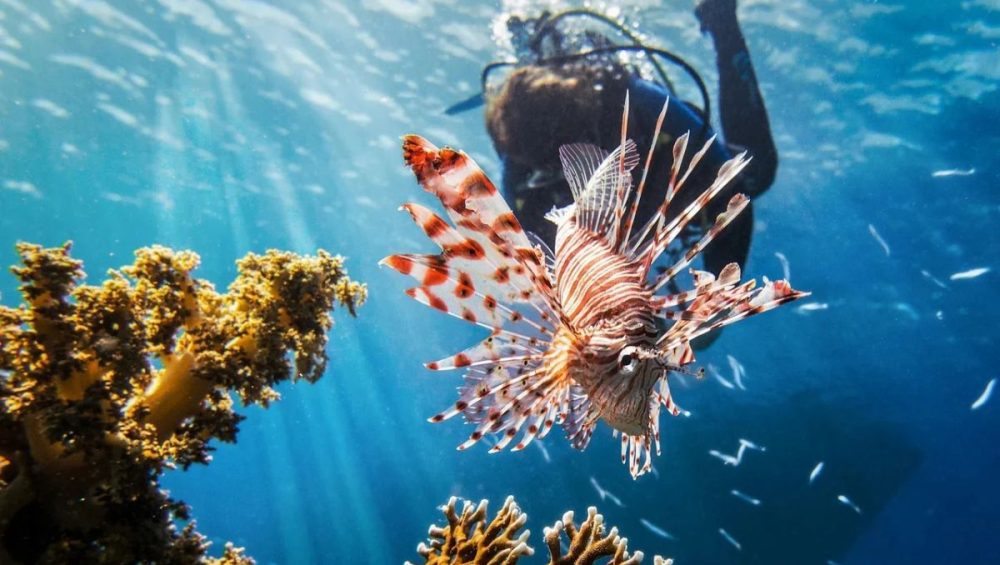
The best scuba diving in Egypt is concentrated along the Red Sea, with Sharm El Sheikh, Hurghada, Dahab, Marsa Alam, and the southern offshore reefs offering different experiences. Ras Mohammed is outstanding for coral reefs, SS Thistlegorm for wreck diving, Dahab for shore diving, and Marsa Alam for marine life. Advanced divers can explore Elphinstone, the Brothers Islands, and Daedalus Reef.
Few diving destinations offer such different underwater experiences within one country. In Egypt, you can spend a morning exploring a shallow coral garden, descend alongside a historic shipwreck the next day, or join a liveaboard journey to an isolated reef surrounded by deep water.
The challenge is choosing the right location.
A beautiful underwater photograph rarely tells you whether a site has strong currents, requires an advanced certification, involves a lengthy boat crossing, or is suitable for someone who has never scuba-dived.
For travelers planning a Red Sea diving holiday in 2027, these distinctions matter more than any list ranking one reef above another.
Sharm El Sheikh provides access to Ras Mohammed, the Straits of Tiran, and famous wrecks. Hurghada offers an established diving infrastructure and convenient reef excursions. Dahab is particularly appealing to travelers who enjoy shore diving. Marsa Alam provides access to southern reefs, seagrass habitats, and offshore diving.
Further south, remote destinations such as the Brothers Islands, Daedalus Reef, Fury Shoals, and St. John’s attract experienced divers looking for more demanding itineraries.
This guide compares Egypt’s best scuba diving spots by experience level, marine life, accessibility, season, cost, and travel style, so you can choose a destination that fits your abilities and expectations.
Where Is the Best Scuba Diving in Egypt?
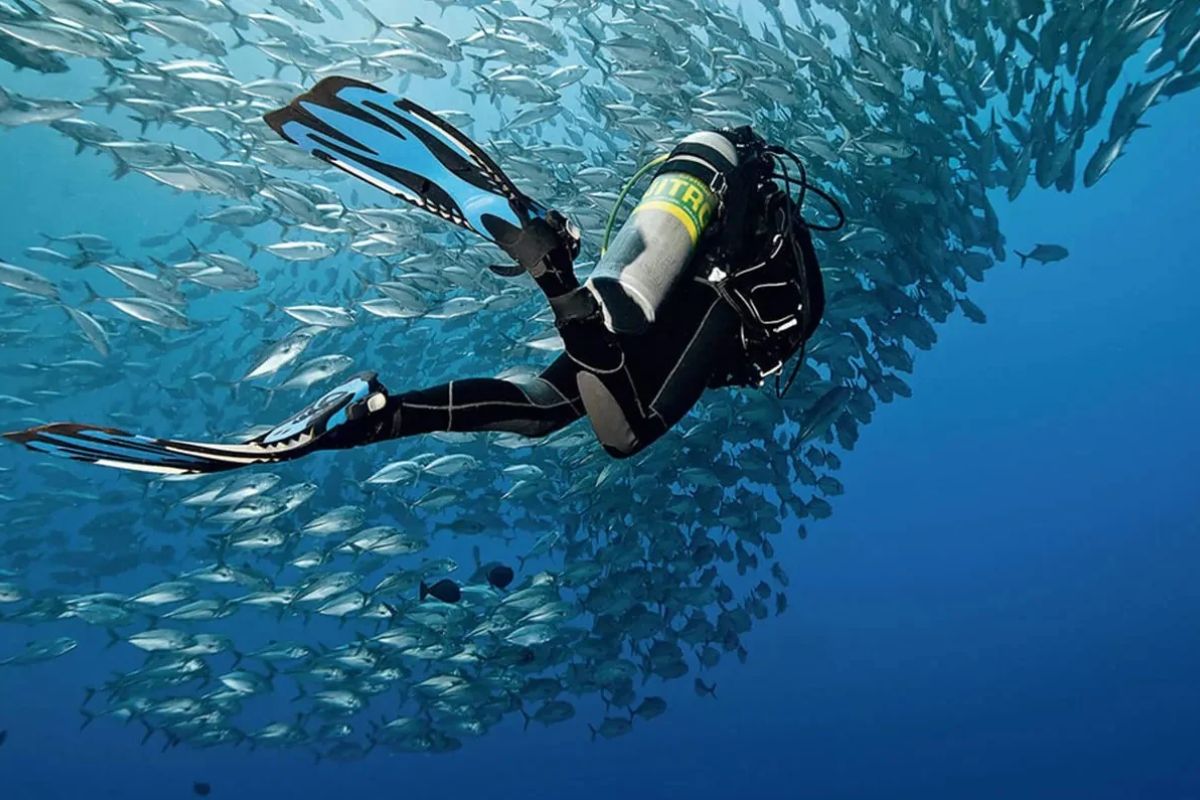
Egypt’s best-known scuba diving destinations lie along two connected marine environments: the Red Sea and the Gulf of Aqaba.
The Red Sea coast stretches from established resort centers such as Hurghada toward more remote southern locations. On the Sinai Peninsula, Sharm El Sheikh and Dahab provide access to reefs, walls, wrecks, and shore dives.
Although both regions offer coral reef diving, their geography creates different experiences.
The Gulf of Aqaba is known for dramatic underwater slopes and reefs close to shore. The wider Red Sea offers islands, offshore reef systems, shipwrecks, seagrass beds, and deep-water sites reached by boat.
Best Scuba Diving Destinations in Egypt at a Glance
| Destination | Best For | Recommended Experience | Main Highlights |
| Sharm El Sheikh | Reef diving and famous wrecks | Beginner to advanced, depending on site | Ras Mohammed, Straits of Tiran, SS Thistlegorm |
| Dahab | Shore diving and relaxed dive holidays | Beginner to technical, depending on route | Blue Hole, Canyon, Gabr el Bint |
| Hurghada | First-time divers and accessible boat trips | Beginner to advanced | Giftun reefs, El Mina, nearby reef gardens |
| El Gouna | Comfortable resort diving and northern wreck excursions | Beginner to advanced | Abu Nuhas and northern reef systems |
| Safaga | Offshore reefs and wreck diving | Intermediate to advanced for many featured sites | Panorama Reef, Salem Express |
| El Quseir | Quiet shore diving and house reefs | Beginner to intermediate | Fringing reefs and coral gardens |
| Marsa Alam | Marine life, shore diving, and offshore reefs | Beginner to advanced | Abu Dabbab, Elphinstone, Shaab Samadai |
| Hamata and the Deep South | Remote reefs and less resort-focused diving | Intermediate to advanced | Fury Shoals, southern reef systems |
| Offshore liveaboard routes | Pelagic encounters and extended dive expeditions | Experienced divers | Brothers Islands, Daedalus, St. John’s |
Our destination recommendation: For a first scuba diving holiday, start by comparing Hurghada and Sharm El Sheikh. For a quieter shore-diving experience, consider Dahab or El Quseir. For remote reefs and more demanding diving, investigate southern Red Sea liveaboard routes after confirming your experience meets the operator’s requirements.
Why Is the Red Sea One of the World’s Best Diving Destinations?
The Red Sea combines coral reef habitats, dramatic underwater geology, diverse marine life, and a large network of established diving destinations.
Its relatively warm climate makes recreational diving possible throughout the year. However, water temperature, wind, wave conditions, and individual site accessibility change with the season.
Water visibility can be excellent, especially away from sediment disturbance, but it is not constant. Wind-driven waves, plankton, currents, and local conditions all influence what divers actually see.
The Red Sea is also unusual because its most celebrated dives are not all based on coral reefs.
Colorful coral reef ecosystems
Healthy reef sections support branching and massive hard corals, soft corals, sea fans, reef fish, and small marine creatures.
Divers may encounter butterflyfish, angelfish, anthias, parrotfish, moray eels, groupers, and many other species.
Some shallow reefs provide excellent opportunities for underwater photography without requiring deep dives.
Historic shipwrecks
The Red Sea has a long history as a maritime trade route.
Underwater wrecks range from cargo vessels to ships associated with the Second World War. Some lie within recreational diving depths, while others require additional training or involve hazardous penetration environments.
Shipwrecks can also become habitats for fish and encrusting marine organisms.
Dramatic underwater landscapes
Walls, pinnacles, slopes, canyons, and offshore plateaus give Egyptian dive sites considerable variety.
A dive along a shallow coral slope feels very different from a drift dive beside a deep wall where the seabed falls far below recreational limits.
The important distinction is that the depth of a reef does not determine the depth a diver should reach.
Opportunities to encounter larger marine animals
Depending on location and season, divers may encounter turtles, dolphins, rays, reef sharks, or oceanic species.
Some offshore locations are associated with hammerhead sharks and other pelagic wildlife. Such sightings are never guaranteed.
Travelers should select a destination for its overall diving experience, not solely for the possibility of seeing one animal.
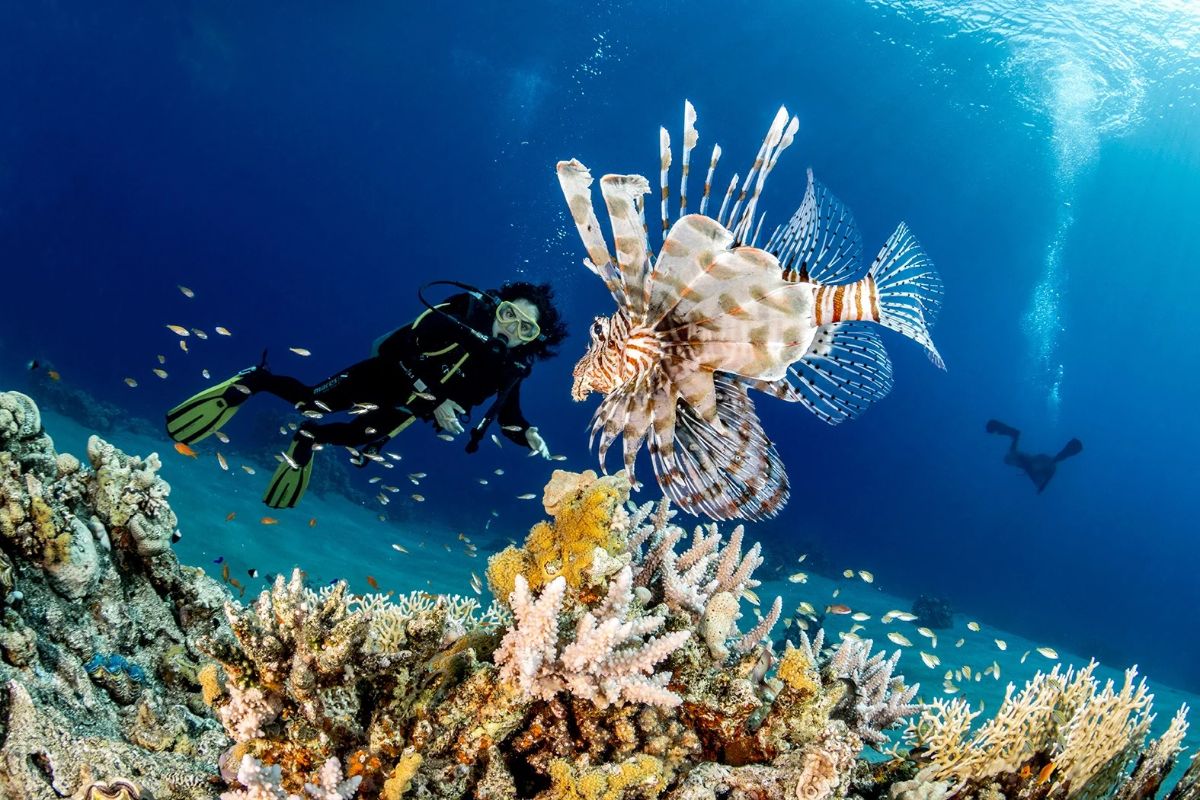
Best Scuba Diving Spots in Sharm El Sheikh and the Sinai Peninsula
Sharm El Sheikh is one of Egypt’s most established diving destinations.
Located near the southern tip of the Sinai Peninsula, it provides access to protected bays, offshore reefs, Ras Mohammed National Park, and the Straits of Tiran.
Dive centers commonly organize day-boat excursions, guided dives, training courses, and specialized wreck trips.
Sharm is particularly attractive to travelers seeking variety without changing hotels every few days.
1. Ras Mohammed National Park: Shark Reef and Yolanda Reef
Best for: Spectacular coral scenery, reef fish, and experienced recreational diving.
Ras Mohammed National Park is situated near the meeting point of the Gulf of Suez and the Gulf of Aqaba.
Its marine environment includes reef walls, coral gardens, and underwater formations shaped by local currents.
Shark Reef and Yolanda Reef are among its best-known diving locations.
Shark Reef features a steep coral-covered drop-off. Nearby Yolanda Reef is famous for coral formations and cargo remains from the Yolanda wreck, including distinctive bathroom fixtures scattered on the seabed.
The area’s reefs can support large concentrations of fish, especially when currents bring nutrients.
However, the same currents can make some dives demanding.
What makes it special: The combination of dramatic walls, colorful reef life, and unusual wreck cargo creates an experience distinct from a conventional shallow coral dive.
Important consideration: Shark and Yolanda should not automatically be treated as beginner dives. Guides select routes based on sea conditions, current, certification, and experience.
2. SS Thistlegorm: Egypt’s Famous World War II Shipwreck
Best for: Wreck enthusiasts, history-minded divers, and qualified experienced recreational divers.
SS Thistlegorm was a British merchant vessel sunk in the Red Sea during the Second World War in 1941.
Today, it is famous for the wartime cargo preserved within and around its remains.
Divers can observe vehicles, motorcycles, railway-related equipment, and other military supplies, depending on the route and visibility.
The wreck offers a remarkable connection between maritime history and underwater exploration.
However, diving Thistlegorm requires more preparation than visiting an ordinary reef.
Conditions can include currents, substantial depth, overhead hazards, boat traffic, and reduced visibility inside parts of the wreck.
Some operators require Advanced Open Water certification, a minimum number of logged dives, or additional wreck experience.
What makes it special: It offers an opportunity to observe historical cargo in its underwater setting rather than inside a museum.
Important consideration: Entering enclosed wreck spaces is not appropriate without the required training, equipment, and supervision. Even experienced divers should confirm their route and exit procedures before entering any overhead environment.
The wreck should be treated as a protected historical site rather than a location for collecting souvenirs.
3. Straits of Tiran: Jackson Reef and Thomas Reef
Best for: Reef walls, drift diving, and divers comfortable with variable currents.
The Straits of Tiran connect the Gulf of Aqaba with the northern Red Sea.
The area’s famous reef systems include Jackson, Woodhouse, Thomas, and Gordon.
Jackson Reef is known for coral-covered walls and reef fish. Thomas Reef offers dramatic underwater topography, including sections that descend well beyond recreational diving limits.
Depending on season and conditions, divers may encounter schooling fish and occasionally larger marine animals.
The Straits can be exposed to currents and wind, so the exact reef and dive route matter considerably.
What makes it special: A single diving region contains several distinct reefs with different underwater profiles.
Important consideration: A dive site advertised as suitable for recreational divers may still have sections or conditions unsuitable for beginners.
4. Ras Umm Sid and the Local Sharm Reefs
Best for: Less demanding reef dives, guided training, and travelers with limited time.
Sharm El Sheikh is not exclusively a destination for advanced divers.
Local reef sites and sheltered sections of the coastline can provide enjoyable diving at moderate depths.
Ras Umm Sid is associated with reef walls and coral formations, while other local sites include gardens and gentle slopes.
For beginners, the safest choice is not necessarily the most famous named reef. It is a location that offers suitable conditions for practicing buoyancy, equalization, communication, and controlled ascents.
What makes it special: Travelers can enjoy Red Sea reef scenery without committing to a demanding offshore expedition.
Important consideration: Sea conditions determine whether a specific site or route is suitable on the day.
Is Sharm El Sheikh the Best Scuba Diving Destination in Egypt?
Sharm El Sheikh is one of the strongest all-around choices, particularly for travelers who want access to multiple types of diving.
Its greatest advantage is variety: local reefs, national park dives, drift diving, and historic wreck excursions.
However, travelers seeking primarily shore-based diving may prefer Dahab, while those prioritizing southern Red Sea wildlife may prefer Marsa Alam.
If you want cultural activities between dive days, explore the city’s attractions in this guide to Sharm El Sheikh and its museum.
Best Scuba Diving in Dahab: Shore Diving, Blue Hole and Canyon
Dahab sits on the Gulf of Aqaba north of Sharm El Sheikh.
It has a different atmosphere from the larger resort centers. Many dive locations are accessible from shore, and the town has a longstanding reputation among independent travelers and diving enthusiasts.
Shore diving can reduce dependence on lengthy boat excursions and allow divers to focus on a smaller number of familiar sites.
However, an easily accessible shore entrance does not necessarily mean an easy dive.
Some of Dahab’s best-known locations have deep underwater features and significant hazards.
5. Dahab Blue Hole: A Famous but Often Misunderstood Dive Site
Best for: Experienced recreational divers on appropriate routes and specially trained technical divers for deeper objectives.
The Dahab Blue Hole is a deep underwater sinkhole surrounded by reef formations.
It is one of Egypt’s most internationally recognized diving landmarks.
The location appeals to divers because of its unusual geological formation, striking blue water, and nearby reef walls.
A common recreational experience involves exploring approved routes around the outer reef and nearby formations, staying within suitable depth and certification limits.
The famous Arch, however, is a very deep overhead passage and is not a recreational diving objective.
It has been associated with fatal diving incidents. Attempting it without specialized technical training, equipment, gas planning, and appropriate support presents serious risks.
What makes it special: Its underwater topography is unlike the conventional shallow reef gardens found elsewhere in Egypt.
Important consideration: Beginners should not interpret the Blue Hole’s popularity or shore accessibility as evidence that all its routes are suitable for them.
6. The Canyon: Dramatic Underwater Topography
Best for: Divers interested in unusual rock formations and guided exploration.
Dahab’s Canyon dive site is characterized by a narrow underwater geological formation.
The surrounding area includes reef sections and slopes that can be explored along different routes.
The most demanding parts of the Canyon should be left to divers with the necessary training and experience.
For recreational divers, a knowledgeable guide can select an appropriate route that emphasizes the surrounding reef and permitted features rather than depth.
What makes it special: The combination of a visible underwater fissure and surrounding coral formations gives the site a distinctive character.
Important consideration: Entering confined areas or descending beyond recreational limits is not necessary to enjoy the location.
7. Gabr el Bint: Remote Reef Scenery Near Dahab
Best for: Divers seeking a more secluded reef excursion.
Gabr el Bint lies south of Dahab and is commonly reached by boat.
Its appeal comes from dramatic reef contours, coral growth, and the relative distance from Dahab’s busiest shore-diving locations.
Marine life and conditions differ across the site’s routes.
Some sections may be suitable for competent recreational divers, while deeper or current-exposed areas require additional experience.
What makes it special: It offers a change from frequently visited shore sites and a sense of exploring a more remote part of the Gulf of Aqaba.
Important consideration: Boat access is weather-dependent, and site suitability should be assessed locally.
Should Beginners Choose Dahab?
Dahab can be an excellent place to learn scuba diving when instruction takes place at appropriate training sites.
A beginner should not choose a first dive simply because a particular location is famous.
Ask the dive center where introductory sessions are conducted, whether the entry is protected from waves, and how the instructor manages small groups.
For travelers planning several consecutive days of training, Dahab’s shore-diving format can be appealing.
Best Scuba Diving in Hurghada and El Gouna
Hurghada, on Egypt’s mainland Red Sea coast, is a practical choice for travelers combining diving with resort accommodation, beaches, and family activities.
Its diving infrastructure supports introductory experiences, certification courses, guided day-boat excursions, and advanced dives.
El Gouna, north of Hurghada, provides another established base with access to reef systems and northern wreck-diving routes.
The main advantage of these destinations is flexibility.
A group containing both certified divers and non-divers can often organize different activities without requiring everyone to follow the same schedule.
8. Giftun Island Reefs: Classic Hurghada Scuba Diving
Best for: Coral reef photography, recreational diving, and enjoyable guided excursions.
The reefs around the Giftun Islands are among the best-known diving areas reached from Hurghada.
Depending on the dive site, underwater scenery may include coral formations, reef slopes, and schools of colorful fish.
Different locations around the islands suit different experience levels.
Some sheltered areas are appropriate for less experienced divers, while exposed reef sections may involve currents or more demanding conditions.
What makes it special: These reefs provide the classic Red Sea diving experience many first-time visitors imagine: sunlight filtering through clear water, colorful marine life, and extensive coral formations.
Important consideration: Ask which specific reef the boat plans to visit. A trip advertised broadly as Giftun Island diving may cover different sites depending on weather and the operator.
9. Abu Nuhas: The Red Sea’s Northern Shipwreck Area
Best for: Certified wreck-diving enthusiasts.
Abu Nuhas is a reef area in the northern Red Sea known for multiple shipwrecks.
Its famous wrecks include the Carnatic, Giannis D, Chrisoula K, and Kimon M.
These vessels represent different periods and maritime stories.
Some wreck sections are covered with marine growth and surrounded by reef fish, creating interesting photographic opportunities.
However, the condition, depth, and accessibility of each wreck differ.
What makes it special: Divers can explore several historically distinct wrecks within one geographical area.
Important consideration: Operators may require recent diving experience and additional qualifications. Penetration is a separate activity requiring appropriate training and should never be assumed to be included.
10. El Mina Wreck: A Wreck-Diving Opportunity Near Hurghada
Best for: Experienced divers who want to explore a wreck without traveling to remote southern reefs.
El Mina is a former Egyptian naval vessel resting underwater near Hurghada.
The wreck provides opportunities to observe its structure and the marine environment developing around it.
A guided external survey is different from entering the ship.
Divers interested in photographing the wreck should plan around visibility, current, depth, and their ability to maintain neutral buoyancy.
What makes it special: It offers a different type of diving experience within the broader Hurghada area.
Important consideration: Its depth and environment mean it should not be presented as a standard introductory dive.
Is Hurghada Better Than Sharm El Sheikh for Diving?
Neither destination is automatically better.
Hurghada has practical advantages for travelers staying on Egypt’s mainland Red Sea coast, particularly those looking for established day-boat excursions and a wide choice of accommodation.
Sharm El Sheikh has a strong appeal for divers specifically interested in Ras Mohammed, the Straits of Tiran, and northern Red Sea wrecks.
The ideal choice depends on the exact sites you want to visit, not simply on the reputation of the resort town.
For travelers arriving through Hurghada International Airport, private pickup from Hurghada Airport can simplify the journey to accommodation before the diving itinerary begins.
Best Scuba Diving Sites in Safaga and El Quseir
Travelers who prefer quieter coastal settings should consider Safaga and El Quseir.
Both offer alternatives to the larger resort environments of Hurghada and Sharm El Sheikh.
Safaga is associated with offshore reef dives and historic wrecks.
El Quseir is particularly appealing for its shore diving and accessible fringing reef systems.
11. Panorama Reef, Safaga
Best for: Reef walls, coral scenery, and experienced recreational divers.
Panorama Reef is one of Safaga’s well-known offshore dive sites.
Its underwater formations include steep slopes, coral-covered sections, and plateau areas.
Divers may encounter reef fish, schooling species, and occasional larger marine animals.
Currents and conditions vary, particularly around exposed sections.
What makes it special: The combination of steep underwater topography and reef scenery creates an impressive diving environment.
Important consideration: Ask the guide about the planned depth and whether the route is appropriate for your certification and recent experience.
12. Salem Express: A Historic Wreck Requiring Respect
Best for: Qualified wreck divers comfortable visiting a site associated with a major maritime tragedy.
The Salem Express sank in the Red Sea in 1991 with considerable loss of life.
Today, the wreck attracts divers interested in maritime history, but it is also a place of remembrance.
For some visitors, this history makes the site emotionally difficult.
It should never be treated simply as an exciting underwater attraction.
Operators may apply specific restrictions, and some divers choose not to visit.
What makes it special: Its significance lies partly in its maritime history and the human tragedy associated with its sinking.
Important consideration: Respect the site, follow current restrictions, and avoid disturbing any remains or objects. Wreck penetration is not an appropriate casual activity.
13. El Quseir House Reefs
Best for: Quiet shore diving, underwater photography, and multi-day dive holidays.
El Quseir’s coastal environment offers fringing reef habitats accessible from selected dive centers and resorts.
Depending on the location, a dive may begin with a beach entry or through a designated access point over the reef.
The underwater scenery can include coral gardens, reef fish, sandy sections, and small marine species.
For photographers interested in marine details rather than large animals, slower shore dives can be particularly rewarding.
What makes it special: Repeated access to a nearby reef allows divers to spend more time understanding a smaller area instead of constantly moving between destinations.
Important consideration: Some entries cross reef flats or involve ladders, channels, or specific tide and wave conditions. Follow designated access routes to avoid damaging coral.
Best Scuba Diving in Marsa Alam and Southern Egypt
Marsa Alam is one of the most attractive destinations for travelers interested in the diversity of the southern Red Sea.
Its surrounding coastline includes coral reefs, seagrass habitats, and access points for offshore diving.
The area appeals to different types of travelers.
Beginners can enjoy suitable sheltered sites, while experienced divers may investigate more demanding reef excursions.
Travelers interested in the wider destination can explore this guide to Marsa Alam and the Red Sea.
14. Abu Dabbab Bay: Turtles and Seagrass Habitats
Best for: Marine life enthusiasts, beginner-friendly diving under suitable conditions, and underwater photographers.
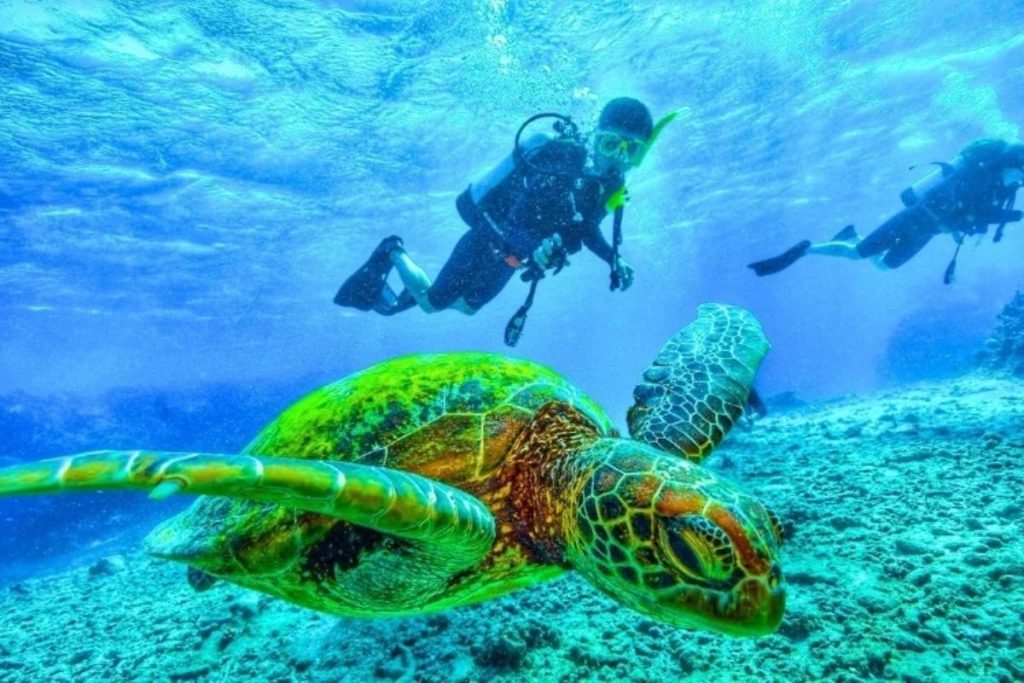
Abu Dabbab is known for its seagrass habitat and opportunities to observe green sea turtles.
Turtles may be seen feeding near the seabed or swimming through the bay.
The area is also associated with occasional dugong sightings.
However, dugongs are rare, and their presence cannot be predicted or promised.
The combination of a sandy bottom, seagrass, and nearby reef habitats produces a different type of underwater experience from deep coral-wall diving.
What makes it special: It offers opportunities to observe how marine animals use seagrass habitats, not merely coral reefs.
Important consideration: Maintain a respectful distance from turtles and other wildlife. Never touch, chase, block, or surround an animal to obtain a photograph.
15. Elphinstone Reef: Advanced Diving and Pelagic Encounters
Best for: Experienced divers comfortable with deep water, drift diving, and potentially strong currents.
Elphinstone is an offshore reef near Marsa Alam famous for steep underwater walls and encounters with larger marine animals.
Its exposed position can produce challenging conditions.
Depending on season, location, and luck, divers may encounter sharks and other pelagic species.
Sightings should be treated as possibilities rather than guaranteed highlights.
The reef’s dramatic walls and coral formations are worthwhile attractions in their own right.
What makes it special: Its ocean-facing environment offers a different experience from protected bays and gentle house reefs.
Important consideration: Elphinstone is not an appropriate place to make your first scuba dive. A responsible operator should check certification, recent experience, current conditions, and comfort with the proposed route.
16. Shaab Samadai: Dolphin House Near Marsa Alam
Best for: Reef diving, marine observation, and visitors interested in responsible wildlife tourism.
Shaab Samadai is widely known as Dolphin House because dolphins use the area.
The reef system has become a recognized destination for marine wildlife excursions.
However, it is important to distinguish dolphin encounters from guaranteed dolphin sightings.
Dolphins are wild animals. They may be absent, resting, or located in areas where visitor access is restricted.
Some activities in the area emphasize snorkeling, while diving arrangements depend on the permitted sites and operator.
What makes it special: It allows travelers to appreciate an important marine habitat while learning about wildlife protection.
Important consideration: Follow zoning, access, and wildlife-interaction rules. Never encourage an operator to pursue, feed, or disturb dolphins.
17. Fury Shoals: Southern Red Sea Reef Exploration
Best for: Divers who want remote coral reefs and varied underwater formations.
Fury Shoals is a large reef area in the southern Red Sea, accessed from southern coastal bases or as part of certain liveaboard itineraries.
The region includes coral gardens, reef walls, pinnacles, and underwater formations.
Well-known dive areas include Shaab Claudio and Abu Galawa.
The exact experience varies with the chosen reef.
Some routes offer relatively gentle recreational diving, while others require stronger skills or involve overhead features that must be approached cautiously.
What makes it special: Its extensive reef systems provide variety for divers who have already explored more conventional resort-area sites.
Important consideration: Remote access, weather, and the availability of specific routes should be confirmed in advance.
For families traveling with non-divers, a snorkeling trip around Hamata Island may offer an alternative way to enjoy the southern Red Sea, without suggesting that snorkeling and scuba diving are the same activity.
Best Offshore Scuba Diving Sites in Egypt for Experienced Divers
Some of Egypt’s most celebrated underwater destinations are far from conventional resort shorelines.
Reaching them often involves a multi-day liveaboard.
These journeys allow divers to spend several days exploring offshore reefs, sometimes with multiple dives per day.
The advantage is access to remote marine environments.
The disadvantages include greater dependence on weather, more demanding diving, limited immediate shore access, and a stronger need for careful safety planning.
18. Brothers Islands: Offshore Walls and Historic Wrecks
Best for: Experienced divers interested in steep reef walls, pelagic marine life, and wrecks.
The Brothers Islands, also known as El Ikhwa, are remote islands in the Red Sea.
Big Brother is associated with historic wrecks including Numidia and Aida, while the surrounding reefs offer deep walls and coral formations.
The islands are also known for encounters with larger marine animals.
Because they are exposed offshore sites, sea conditions can be more demanding than those around protected coastal reefs.
What makes it special: The combination of distant reef systems, dramatic underwater topography, and wreck-diving opportunities.
Important consideration: Operators may enforce significant minimum logged-dive requirements. Access can be affected by marine park regulations and weather.
19. Daedalus Reef: A Remote Red Sea Diving Destination
Best for: Experienced drift divers and underwater photographers interested in pelagic species.
Daedalus Reef is an isolated offshore reef in the central Red Sea, recognized by its lighthouse.
It is a well-known destination for divers hoping to encounter schooling fish, sharks, and other open-water marine life.
Hammerhead shark sightings are associated with certain seasons, although encounters vary considerably.
A dive at Daedalus typically requires confidence in open water, buoyancy control, current procedures, and group communication.
What makes it special: Its remote position creates a strong sense of diving in an oceanic environment rather than beside a resort coastline.
Important consideration: A liveaboard itinerary listing Daedalus does not guarantee that weather or operational conditions will permit diving there.
20. St. John’s Reefs: Southern Red Sea Coral Landscapes
Best for: Experienced recreational divers who enjoy coral formations, pinnacles, and remote itineraries.
St. John’s is a group of reef systems in the southern Red Sea.
Different sites offer coral gardens, underwater pinnacles, walls, and formations shaped by erosion and coral growth.
Some locations are known for cave-like passages and swim-throughs.
However, overhead environments present additional hazards, and routes must match each diver’s training.
What makes it special: The diversity of reef formations makes the area attractive for multi-day diving trips.
Important consideration: St. John’s is a region containing numerous sites, not one single dive. Individual sites vary in depth, current, accessibility, and required experience.
Which Egyptian Diving Destination Is Best for Your Experience Level?
Choosing the best scuba diving destination in Egypt should begin with experience rather than geography.
A person making their first dive has different needs from someone with hundreds of logged dives.
Likewise, an underwater photographer may prioritize a sheltered reef over a fast-moving drift dive.
| Traveler Type | Good Destinations to Consider | Main Priority |
| First-time scuba diver | Hurghada, Sharm El Sheikh, Dahab | Sheltered training sites and qualified supervision |
| Newly certified diver | Suitable reefs in Hurghada, Dahab, El Quseir | Easy entries, modest depth, manageable conditions |
| Recreational reef enthusiast | Ras Mohammed, Giftun reefs, Marsa Alam | Coral scenery and marine diversity |
| Wreck enthusiast | SS Thistlegorm, Abu Nuhas, El Mina | Appropriate wreck experience and site conditions |
| Underwater photographer | Abu Dabbab, El Quseir, Ras Mohammed | Subject choice, light, visibility, buoyancy |
| Strong-current enthusiast | Elphinstone, selected Tiran sites | Drift skills and local guidance |
| Experienced liveaboard diver | Brothers, Daedalus, St. John’s | Remote operations and demanding conditions |
| Mixed family group | Hurghada, Sharm El Sheikh, Marsa Alam | Diving plus suitable activities for non-divers |
The difference between certification and experience
Holding a certification does not mean every dive within its nominal depth range is appropriate.
A diver with an Open Water certification and limited recent experience may need a straightforward refresher dive before visiting an unfamiliar reef.
Similarly, an Advanced Open Water qualification does not automatically establish readiness for strong currents, wreck penetration, or remote offshore diving.
Recreational certification levels indicate training completed. Actual readiness also depends on recent practice, environmental conditions, physical fitness, and the diver’s confidence.
The operator has a responsibility to assess whether the proposed dive is appropriate.
Divers should also be comfortable declining a dive that feels beyond their abilities.
Can Beginners Go Scuba Diving in Egypt?
Yes. Egypt is an established destination for introductory scuba diving and recreational training.
Many locations have dive centers offering supervised introductory experiences and internationally recognized certification courses.
However, not every diving destination or individual site is suitable for beginners.
Discover Scuba Diving: Trying the Activity Without Certification
A supervised introductory program allows someone who is not certified to experience scuba diving under the control of a qualified professional.
Participants typically receive an explanation of breathing equipment, pressure equalization, underwater communication, and essential safety procedures.
They practice the necessary skills before entering an appropriate underwater environment.
The experience follows the limits and supervision requirements established by the training organization.
It does not provide the same independent diving privileges as a full certification course.
Travelers should confirm that the program is conducted through a recognized provider and includes an appropriate medical screening process.
Open Water Diver Certification
For travelers who want to continue diving, an entry-level course such as PADI Open Water Diver provides structured training.
A typical course includes theoretical learning, confined-water skill development, and open-water training dives.
Many courses take several days, depending on the provider, student progress, and conditions.
PADI Open Water certification generally qualifies properly trained adults to dive with a buddy within a maximum training depth of 18 meters, subject to local rules and individual conditions.
Children and junior divers have additional age-related limitations.
The course does not automatically qualify someone for deep wreck penetration, technical diving, or all advanced dive sites.
Advanced Training and Specialty Courses
Divers interested in deep diving, underwater navigation, enriched air nitrox, wreck diving, or technical activities can pursue additional training.
Each qualification has specific requirements and limitations.
Advanced training is useful, but a certification card should never replace conservative judgment and genuine experience.
Choosing a beginner-friendly dive center
Before booking, ask the operator:
- Which training agency issues the certification?
- Is the center currently operating in accordance with applicable Egyptian requirements?
- How many students will be assigned to each instructor?
- Will the first dive take place in sheltered conditions?
- Is all necessary training equipment included?
- Are medical screening and emergency procedures explained clearly?
- What happens if a student cannot complete the course on schedule?
A good dive center should be willing to answer these questions clearly.
What Is the Best Time for Scuba Diving in Egypt in 2027?
Scuba diving is possible in Egypt throughout the year, but conditions differ between winter, spring, summer, and autumn.
The best month depends on whether you prioritize comfortable water temperatures, reduced holiday crowds, particular marine animals, or a specific offshore itinerary.
Red Sea water temperatures are commonly around 21–28°C across much of the year, although location, depth, and weather can produce variations.
Egypt Scuba Diving Seasons Compared
| Season | Typical Conditions | Main Advantages | Considerations |
| December–February | Cooler water and air, with periods of stronger wind | Comfortable land temperatures, year-round diving opportunities | Greater exposure to cold, occasional boat cancellations |
| March–May | Warming water and generally pleasant weather | Good balance for resort-based diving | Spring winds and changing conditions |
| June–August | Warm water and hot land temperatures | Comfortable water, seasonal pelagic opportunities | Intense heat on land, sun exposure |
| September–November | Warm to gradually cooling water | Comfortable diving and strong overall trip-planning appeal | Popular travel periods, variable autumn weather |
Winter: December to February
Winter is a useful period for travelers who want to combine diving with historical sightseeing.
Air temperatures are generally more comfortable for visiting Cairo, Luxor, and Aswan than during midsummer.
Underwater conditions can remain rewarding, but divers may need thicker wetsuits, hoods, or additional thermal protection.
Exposed boat trips may be affected by wind and waves.
Choose a dive center that can adjust the itinerary safely rather than promising access to every offshore reef.
Spring: March to May
Spring can provide a good combination of water activities and comfortable weather.
Water temperatures gradually increase, and diving becomes appealing to travelers who prefer to avoid peak summer heat.
However, some spring days are windy.
A flexible diving schedule is especially valuable when visiting exposed offshore locations.
Summer: June to August
Summer brings warmer sea temperatures and long daylight hours.
It can be attractive for divers who dislike cold water.
Some large marine species, including certain sharks, have seasonal patterns associated with warmer months or specific offshore regions.
However, wildlife encounters remain unpredictable.
On land, temperatures can be extremely hot. Hydration, shade, and heat management become important parts of the diving day.
Autumn: September to November
Autumn is an attractive period for many divers.
Sea temperatures often remain comfortable after summer, while daytime heat gradually becomes less intense.
September and October are particularly popular choices for travelers combining reef diving with other activities.
However, no single month guarantees the best visibility or calmest conditions throughout the entire Red Sea.
Recommendation: For an all-around Red Sea diving holiday, consider spring or autumn. For a particular animal encounter or remote liveaboard route, consult operators about the seasonal conditions of that exact site before booking.
Travelers combining diving with other destinations should also consider the best time to visit Egypt for their wider itinerary.
What Marine Life Can You See While Scuba Diving in Egypt?
The Red Sea supports a diverse range of marine environments.
Different underwater habitats attract different animals, making site selection important.
A coral reef dive is not identical to exploring a seagrass bay or offshore wall.
Coral reef fish
Common reef encounters may include butterflyfish, angelfish, parrotfish, surgeonfish, anthias, groupers, and moray eels.
Their distribution varies with coral cover, habitat, depth, and local environmental conditions.
Small reef fish are among the most reliable subjects for underwater observation and photography.
Sea turtles
Green and hawksbill turtles occur in parts of the Red Sea.
Green turtles are particularly associated with seagrass habitats, while hawksbills commonly forage around reef environments.
Abu Dabbab is known as an area where green turtles may be observed.
Divers should give turtles sufficient space to surface for air.
Dolphins
Dolphins inhabit parts of the Egyptian Red Sea, and certain reef areas are associated with regular use by dolphin groups.
Shaab Samadai is particularly well known.
However, choosing a location advertised as Dolphin House does not guarantee an encounter.
Responsible operators prioritize the animals’ behavior over customer expectations.
Sharks
Several shark species occur in the Red Sea, including reef-associated and oceanic species.
Certain offshore reefs are known for potential encounters with hammerhead or oceanic whitetip sharks.
The chance of seeing a shark changes with season, water conditions, location, and animal movement.
Divers should follow local safety briefings, avoid interfering with wildlife, and never encourage feeding.
Dugongs
Dugongs are marine mammals that feed primarily on seagrass.
They are rare and vulnerable to disturbance.
Although some Marsa Alam bays are associated with dugong sightings, visitors should not treat these animals as predictable attractions.
Photographers should never pursue an animal or interfere with feeding.
Rays and smaller marine animals
Rays, nudibranchs, shrimp, crustaceans, and other small organisms can be rewarding underwater subjects.
Some are easily overlooked by divers focused exclusively on large animals.
A slow dive with good buoyancy and a patient guide can reveal details that would otherwise go unnoticed.
Where Should You Dive for Specific Marine Life?
| Wildlife Interest | Areas Worth Considering | What to Expect |
| Colorful reef fish | Ras Mohammed, Giftun, El Quseir | Reef habitats and varied fish communities |
| Sea turtles | Abu Dabbab, suitable reef sites | Possible encounters, never guaranteed |
| Dolphins | Shaab Samadai and selected reef areas | Wildlife presence varies; strict respectful behavior |
| Sharks | Elphinstone, Brothers, Daedalus | More demanding sites; seasonal sightings possible |
| Macro subjects | El Quseir and sheltered reefs | Small marine life and slower photographic dives |
| Historic wreck habitats | Thistlegorm, Abu Nuhas | Marine growth, reef fish, wreck structures |
How Much Does Scuba Diving Cost in Egypt?
Diving costs depend on the destination, operator, certification level, equipment needs, boat distance, and number of dives.
Egypt can offer good value compared with some international dive destinations, but pricing varies considerably.
A very cheap advertised price is not necessarily the final price.
Some centers include equipment, tanks, weights, guides, transport, meals, and certain fees.
Others charge separately for several of these services.
Indicative Diving Prices for Planning a 2027 Trip
The following are broad planning ranges informed by published 2026 operator rates. They are not confirmed 2027 quotations.
| Activity | Indicative Planning Range |
| Introductory scuba experience | Approximately €40–€120 |
| Guided day trip with two dives | Approximately €45–€100 |
| Full recreational equipment rental | Approximately €15–€35 per day |
| Open Water certification course | Approximately €230–€450 |
| Specialized wreck or remote reef excursion | Often costs more than a standard diving day |
| Multi-day liveaboard | Request a route-specific quotation |
These estimates can vary significantly by provider and included services.
What Is Usually Included in a Diving Day?
A standard guided diving excursion may include scuba tanks, weights, a professional guide, and boat transport.
Depending on the operator, other services may include lunch, water, hotel transfers, or nitrox for appropriately certified divers.
You should never assume that a listed price includes everything.
Ask for a written quotation showing the complete cost.
Additional Expenses to Check
Equipment rental: Some providers include it, while others charge separately for wetsuits, buoyancy compensators, regulators, masks, fins, and dive computers.
Environmental and marine park fees: Charges can apply to certain destinations or boat excursions.
Wreck supplements: Famous wrecks may require special boat departures, extended travel time, or additional charges.
Nitrox: May be included for certified divers at some centers or charged separately.
Transfers: Hotels outside the standard pickup area may incur additional charges.
Insurance: Ordinary travel insurance does not always cover scuba diving, decompression treatment, or medical evacuation.
Is a Multi-Day Diving Package Better Value?
A multi-day package can reduce the cost per dive.
It may also make planning easier because the center knows your experience and can gradually select suitable sites.
However, only purchase a package that fits your available days and physical readiness.
A package containing more dives than you can comfortably complete is not a bargain.
The best value comes from safe operations, suitable sites, reliable equipment, and clear inclusions.
Shore Diving, Day Boats or Liveaboards: Which Is Best?
Egypt offers three broad diving formats.
Each has advantages and limitations.
Shore Diving
Shore diving begins from an accessible coastal entry point rather than a dive boat.
It is particularly popular in Dahab and at selected El Quseir and Marsa Alam resorts.
Advantages: Less reliance on boat schedules, opportunities for repeated visits to familiar reefs, and convenient logistics.
Limitations: Entry conditions, reef access, tides, and local currents still matter. Some shore sites have deep or dangerous sections.
Shore diving is especially appealing to travelers who prefer a relaxed schedule.
Day-Boat Diving
Day boats leave from a marina or coastal departure point and visit nearby diving locations.
This is a common format around Hurghada and Sharm El Sheikh.
Advantages: Access to multiple reefs, organized equipment handling, and the ability to return to a hotel afterward.
Limitations: Weather dependence, boat travel, scheduled departures, and variable numbers of passengers.
The best day-boat operator is not necessarily the one visiting the most distant reef.
For many recreational divers, a well-organized day at two suitable sites is preferable to a demanding itinerary with rushed surface intervals.
Liveaboard Diving
A liveaboard is a vessel that provides accommodation while traveling between dive sites.
These trips are popular for remote locations such as the Brothers Islands, Daedalus, and St. John’s.
Advantages: Efficient access to distant reefs, multiple diving opportunities, and immersion in a diving-focused trip.
Limitations: Greater weather exposure, limited flexibility once underway, more complicated emergency logistics, and fewer alternative activities for non-divers.
Liveaboards also demand careful consideration of vessel maintenance, fire safety, evacuation arrangements, and operator experience.
A liveaboard should be selected for its safety standards and suitability, not simply the number of advertised dives.
How to Choose a Safe Scuba Diving Operator in Egypt
Diving safety starts before entering the water.
Most travelers focus on underwater risks, but safe transport, medical preparation, equipment maintenance, communication, and responsible operations are equally important.
Egypt’s Chamber of Diving and Water Sports maintains operating requirements and a directory of recognized diving facilities and safari boats.
Before booking, verify the operator’s current status and ask clear questions about safety procedures.
Confirm the operator’s credentials
Ask for the dive center’s legal operating details and any applicable CDWS registration or compliance status.
Confirm the diving instructor’s training agency and qualifications.
A professional-looking website or strong online review rating is not a substitute for current operational credentials.
Check equipment and emergency readiness
Equipment should be correctly sized, appropriately serviced, and checked before use.
Ask whether the operator has emergency oxygen, a first-aid kit, functioning communication equipment, and an established emergency action plan.
On liveaboards, also ask about fire detection, evacuation routes, life-saving equipment, crew training, and recent vessel inspections.
Be realistic about currents and depth
Strong-current sites are not appropriate for everyone.
A diver should understand the current plan, entry and exit procedures, buddy arrangements, signaling equipment, and how separation is handled.
Dive depths should remain within training limits and suitable personal comfort levels.
No animal sighting or photograph is worth exceeding those limits.
Understand your diving insurance
Check that your policy covers the type of diving you intend to undertake.
Look for applicable depth restrictions, technical diving exclusions, medical evacuation benefits, and hyperbaric treatment coverage.
Some travelers purchase dedicated diving insurance because standard travel policies provide limited underwater activity coverage.
The appropriate policy depends on the actual activity and its conditions.
How Long Should You Wait Before Flying After Diving?
Flying too soon after scuba diving can increase the risk of decompression sickness.
Divers Alert Network guidance suggests minimum surface intervals of:
| Dive Exposure | Suggested Minimum Before Flying |
| One no-decompression dive | At least 12 hours |
| Multiple dives or multiple days of diving | At least 18 hours |
| Diving requiring decompression stops | A substantially longer interval; often 24–48 hours depending on the dive |
These are minimum guidance intervals, not guarantees against decompression sickness.
Many recreational divers plan at least 24 hours between their last dive and a flight to provide an additional margin.
Follow your dive computer and qualified medical advice where a longer interval is indicated.
The same concern can apply to significant altitude gains during land travel.
For a combined itinerary, placing diving at the end of the vacation can be convenient, but only if sufficient time remains before the international flight.
What If You Feel Unwell After Diving?
Symptoms such as unexplained joint pain, unusual fatigue, numbness, weakness, dizziness, breathing difficulty, or neurological changes after diving require prompt medical evaluation.
Do not fly or travel to higher altitude while symptoms suggest decompression illness.
Contact the diving operator and emergency medical services immediately.
If in doubt about fitness to dive, consult a medical professional familiar with diving medicine before participating.
How to Protect Egypt’s Coral Reefs While Diving
Responsible diving helps protect the underwater environments that attract visitors.
Even relatively small actions can damage coral or disturb wildlife.
Maintain good buoyancy
Coral is living habitat.
Uncontrolled fin kicks, dragging equipment, and accidental contact can damage sensitive organisms.
Divers should practice neutral buoyancy and keep equipment securely positioned.
Never touch coral or wildlife
Avoid handling marine creatures, moving objects, or resting on reef formations.
Do not collect shells, coral, historical objects, or shipwreck artifacts.
Underwater photography should not require touching or repositioning an animal.
Keep a respectful distance
Give turtles, dolphins, sharks, and other wildlife room to move naturally.
Never chase animals or interfere with feeding and resting.
A sighting is meaningful precisely because the animal is behaving naturally.
Choose responsible operators
Look for centers that provide environmental briefings, use designated mooring arrangements where required, prevent unnecessary reef contact, and manage waste responsibly.
Environmental responsibility is more important than marketing language about untouched or pristine reefs.
Can You Combine Scuba Diving With Egypt’s Pyramids and Nile Cruises?
Yes. One of Egypt’s travel advantages is the possibility of combining historical sightseeing with a Red Sea diving holiday.
However, the itinerary needs realistic travel time and proper diving intervals.
Cairo, Luxor, and Aswan are not located directly beside the main Red Sea dive sites.
A multi-destination trip works best when travelers avoid excessively frequent transfers.
Option 1: Cairo and Hurghada — Approximately 7 Days
Best for: First-time visitors who want pyramids and recreational diving.
A practical outline:
- Days 1–2: Explore Cairo and Giza.
- Day 3: Travel to Hurghada and settle into the hotel.
- Days 4–5: Enjoy guided scuba diving or appropriate training.
- Day 6: Relax, enjoy the beach, and observe the required no-fly interval.
- Day 7: Depart, provided the final diving-to-flight interval is sufficient.
This itinerary is practical for certified divers.
Travelers taking a full certification course may need additional days.
Option 2: Cairo, Luxor, Aswan and Marsa Alam — Approximately 11–14 Days
Best for: Travelers who want a substantial cultural journey and a quieter Red Sea stay.
Spend the first portion of the trip exploring Cairo and Upper Egypt.
Travel onward to Marsa Alam for several days of diving, reef exploration, and relaxation.
A possible sequence includes Cairo, Luxor, Aswan, and Marsa Alam, with enough time allocated for each transfer.
Egypt Vacation Tours also offers a Cairo, Luxor, Aswan and Marsa Alam itinerary as a starting point for exploring the regional combination.
Confirm whether diving can be arranged separately with a suitably qualified provider.
Option 3: Ancient Egypt and Sharm El Sheikh — Approximately 10 Days
Best for: Travelers who want historical sightseeing and access to Sinai’s marine attractions.
This combination can include Cairo, major archaeological attractions, and several nights in Sharm El Sheikh.
Certified divers may use their Red Sea stay for guided reef excursions.
Non-divers can enjoy beaches, resort facilities, and alternative sightseeing.
A 10-day Egypt sightseeing and Sharm El Sheikh holiday illustrates this broader travel style.
The schedule should be adjusted if a full diving course is planned.
Option 4: A Dedicated Red Sea Diving Holiday — 7 to 10 Days
Best for: Certified divers primarily interested in maximizing suitable dive opportunities.
Choose one main diving base rather than changing accommodation repeatedly.
Spend the first day checking equipment and reviewing conditions.
Schedule diving across several days, leaving flexibility for weather and fatigue.
Reserve the final portion of the trip for non-diving activities and an adequate preflight interval.
This format is particularly appealing in Dahab, Hurghada, or Marsa Alam.
Option 5: Advanced Liveaboard — Approximately One Week or More
Best for: Experienced divers who meet the operator’s requirements.
Select a route based on your ability, preferred marine environments, and the time of year.
For example, a northern Red Sea itinerary may focus on wrecks and reefs, while southern itineraries may visit remote offshore destinations.
Exact routes, departure ports, daily dives, and site access depend on the operator and conditions.
Allow additional time for arrival, departure, and diving-related flight restrictions.
How Do You Get to Egypt’s Best Diving Destinations?
Egypt’s main diving destinations are served by different airports and road networks.
Choosing the closest appropriate arrival airport can significantly improve the overall experience.
Sharm El Sheikh
Sharm El Sheikh International Airport serves the southern Sinai resort region.
Depending on your departure country, travel may involve direct seasonal services or connections.
Transfers to hotels and dive centers are normally organized by road.
Hurghada and El Gouna
Hurghada International Airport serves Hurghada and several nearby mainland Red Sea destinations.
It is also a useful arrival point for travelers staying in El Gouna, Makadi Bay, or surrounding resort areas.
Transfer distances depend on the selected accommodation.
Marsa Alam
Marsa Alam International Airport is useful for resorts along portions of the southern Red Sea coast.
However, the Marsa Alam region covers a considerable distance.
A hotel advertised as being in Marsa Alam may be far from the town itself or from a particular reef.
Always confirm the driving distance from the airport, diving center, and planned excursions.
Dahab
Dahab is commonly reached by road from Sharm El Sheikh.
The journey crosses the Sinai landscape and requires additional time beyond the flight.
If you plan a short holiday, this transfer should be included in the itinerary rather than treated as an insignificant detail.
Safaga and El Quseir
These mainland Red Sea destinations are generally reached by road from suitable regional airports.
The best arrival point depends on the location of your hotel.
A dive resort’s actual position on the coastline is often more important than the name of the nearest city.
What About Scuba Diving in Alexandria?
Egypt also has Mediterranean diving opportunities, including sites associated with Alexandria’s underwater heritage.
However, Mediterranean diving is different from the classic Red Sea experience.
Conditions, visibility, marine environments, access permissions, and archaeological-site restrictions can vary.
For travelers seeking colorful tropical-style coral reefs, the Red Sea remains the more suitable choice.
Visitors interested in Alexandria’s history can read about Alexandria’s attractions and heritage.
Common Mistakes to Avoid When Scuba Diving in Egypt
Choosing a famous site before checking your ability
A famous wreck or offshore reef may look appealing but be unsuitable for a diver’s experience level.
Prioritize realistic site selection over reputation.
Assuming every dolphin or shark excursion guarantees wildlife
Marine animals move freely.
A responsible operator cannot guarantee an encounter with a particular wild animal.
Choose destinations that remain rewarding even without a rare sighting.
Comparing prices without checking inclusions
An inexpensive excursion may become significantly more expensive after rental equipment, park charges, transfers, and other supplements.
Compare complete quotations rather than advertised starting prices.
Booking too many dive days without rest
Diving can be physically tiring, particularly when combined with heat, early departures, unfamiliar equipment, or demanding currents.
Leave space for recovery.
Underestimating winter exposure
Warm sunshine does not mean the water will feel warm after repeated dives.
Appropriate thermal protection matters.
Failing to allow enough time before flying
A diving itinerary that ends too close to a departure flight can create unnecessary safety problems.
Plan the final diving day before buying tightly scheduled flights.
Choosing an offshore liveaboard without reviewing vessel safety
The reputation of the dive sites does not establish the safety of the boat.
Check operator compliance, emergency procedures, vessel arrangements, and your own readiness.
Forgetting about non-divers
A family vacation can become difficult if all activities revolve around the diving schedule.
Choose a destination with suitable alternatives for people who prefer snorkeling, swimming, cultural activities, or relaxation.
Frequently Asked Questions About Scuba Diving in Egypt
1. What is the best scuba diving destination in Egypt?
Sharm El Sheikh is one of the best all-around scuba diving destinations in Egypt because it provides access to Ras Mohammed, the Straits of Tiran, and major northern Red Sea wrecks. However, the ideal destination depends on your priorities. Hurghada is convenient for varied recreational diving, Dahab is attractive for shore diving, and Marsa Alam is particularly appealing for southern Red Sea marine environments.
2. What are the best scuba diving spots in Egypt for beginners?
Beginners should consider sheltered training locations around Hurghada, Sharm El Sheikh, Dahab, El Quseir, and Marsa Alam. The most suitable location is one selected by a qualified instructor for its conditions, manageable depth, and safe entry and exit. Famous sites such as Elphinstone or deeper sections of the Dahab Blue Hole should not be treated as introductory diving destinations.
3. Which are the best scuba diving sites in Egypt for advanced divers?
Advanced divers often consider SS Thistlegorm, Elphinstone Reef, the Brothers Islands, Daedalus Reef, and selected sites around the Straits of Tiran. These locations can involve currents, deeper water, remote access, or specialized wreck procedures. The right choice depends on the diver’s qualifications, logged experience, and recent practice, as well as the actual conditions.
4. Is scuba diving in Egypt safe?
Scuba diving in Egypt can be conducted safely when divers use qualified operators, appropriate equipment, conservative dive plans, and sites suited to their experience. However, scuba diving always involves risks, and conditions vary. Before booking, review the operator’s current credentials, emergency procedures, and equipment standards. Liveaboard trips require additional attention to vessel safety and emergency arrangements.
5. Is Hurghada or Sharm El Sheikh better for scuba diving?
Hurghada is a convenient choice for recreational reef diving, training, and mainland Red Sea resort holidays. Sharm El Sheikh is particularly attractive for Ras Mohammed, the Straits of Tiran, and renowned wreck excursions. Both offer diving for different experience levels. Compare actual dive sites, operator standards, and travel arrangements instead of selecting solely by resort popularity.
6. When is the best month to scuba dive in Egypt?
Spring and autumn are strong all-around choices for many Red Sea diving holidays. Water temperatures and weather conditions are often comfortable, although individual sites can still be affected by winds and currents. Summer offers warmer water, while winter remains suitable for diving with appropriate thermal protection. Wildlife encounters and offshore conditions vary by location and season.
7. Can you scuba dive in Egypt without a license?
People without scuba certification can participate in appropriate supervised introductory programs offered by qualified dive professionals. These activities are subject to training standards, medical screening, and strict supervision. To undertake ordinary certified recreational dives, travelers generally need a recognized qualification such as Open Water Diver. Specific sites may require additional training or experience.
8. How expensive is scuba diving in Egypt?
As a broad planning guide based on published 2026 rates, a two-dive day excursion may cost approximately €45–€100, while introductory programs and certification courses have different pricing structures. Actual 2027 costs will depend on the location, operator, equipment, park fees, and services included. Always request an updated itemized quotation.
9. Can you see sharks while diving in Egypt?
Yes, several shark species inhabit the Red Sea, and certain offshore dive sites are known for possible encounters. Elphinstone, Daedalus, and the Brothers Islands are among the destinations associated with larger marine animals. However, sightings are not guaranteed, and these locations may have demanding diving conditions. Select the site according to your experience rather than a promise of wildlife.
10. Is Marsa Alam good for scuba diving?
Marsa Alam is an excellent destination for travelers interested in coral reefs, marine life, and southern Red Sea diving. Abu Dabbab is associated with sea turtles and seagrass habitats, while Elphinstone offers more advanced offshore diving. The region includes a range of sites, so both beginners and experienced divers can find appropriate options when they choose qualified operators and suitable conditions.
11. Is the Dahab Blue Hole suitable for beginners?
The Dahab Blue Hole contains extremely deep underwater features and should never be regarded as an entirely beginner-friendly location. Some nearby recreational routes may be appropriate for suitably qualified divers under professional guidance. The famous deep Arch is a technical diving environment, not a standard recreational objective. Beginners should train at sheltered sites chosen by their instructor.
12. How many days do you need for scuba diving in Egypt?
Three to five days can provide a satisfying introduction to Red Sea diving for certified travelers. A week or more allows greater flexibility for weather, multiple sites, and rest. Certification courses require additional dedicated training time. Remote liveaboards commonly involve multi-day itineraries. Always reserve sufficient time between the final dive and any flight or significant altitude exposure.
Final Recommendations: Where Should You Scuba Dive in Egypt in 2027?
The best scuba diving in Egypt depends on the kind of underwater experience you want.
Choose Sharm El Sheikh for a versatile combination of coral reefs, dramatic walls, and historic shipwrecks.
Choose Hurghada for accessible recreational diving, established resort infrastructure, and flexible excursions.
Choose Dahab for shore diving, memorable underwater landscapes, and a relaxed diving-focused holiday.
Choose Marsa Alam for marine habitats, southern reef exploration, and access to both sheltered sites and more demanding offshore dives.
Consider Safaga and El Quseir if you prefer quieter diving destinations with distinctive wrecks, reefs, and coastal experiences.
For qualified experienced divers, Elphinstone, the Brothers Islands, Daedalus Reef, Fury Shoals, and St. John’s offer more specialized opportunities.
Above all, choose a destination that matches your certification, recent experience, available time, and personal interests.
Egypt Vacation Tours can help travelers explore wider itineraries combining Cairo, Luxor, Aswan, and the Red Sea. If scuba diving is an essential part of your trip, ask for an itinerary that leaves sufficient time for a separately arranged diving program with a qualified operator.
The most rewarding Egyptian diving holiday is not the one with the most famous reefs or the greatest number of dives. It is the one that lets you experience the underwater environment safely, respectfully, and at a pace that suits you.