Quick Answer: What is the best Cairo Egypt itinerary for 2027?
The best Cairo Egypt itinerary includes the Giza Pyramids, Great Sphinx, Grand Egyptian Museum, historic Islamic Cairo, and Coptic Cairo. Three full days are ideal for most first-time visitors, while five days allow time for Saqqara, Dahshur, additional museums, and Nile experiences. Travelers with just one or two days should prioritize the pyramids and their preferred museum.
Cairo is not a destination where the number of attractions determines how much you can see. Geography, traffic, museum visiting times, and the pace of archaeological sightseeing matter just as much.
The Giza Pyramids and Grand Egyptian Museum occupy the western side of Greater Cairo. The Egyptian Museum stands in central Cairo near Tahrir Square. Historic mosques and medieval streets lie farther east, while Coptic Cairo and the National Museum of Egyptian Civilization are situated to the south.
Trying to visit all these locations in one day usually means spending too much time traveling between them.
A well-designed Cairo travel itinerary keeps nearby attractions together, gives major archaeological sites enough attention, and leaves time for the everyday experiences that make Cairo interesting: traditional food, neighborhood walks, local cafés, and evenings beside the Nile.
This 2027 guide explains exactly how to organize those experiences, whether you have a single day, a three-day city break, five days of sightseeing, or a full week in Egypt’s capital.
How Many Days Do You Need in Cairo?
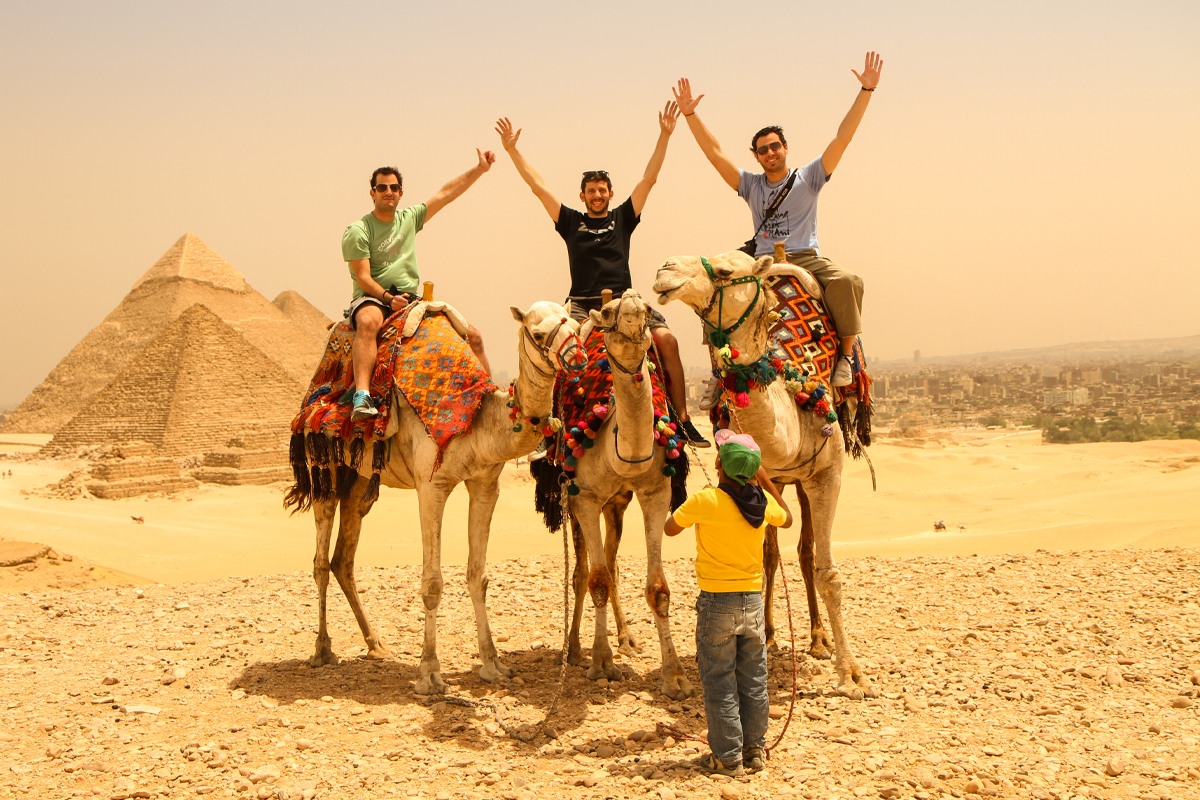
Three to four full days are ideal for a first visit to Cairo. Three days cover the major highlights, while a fourth day makes it easier to visit the older pyramid fields south of Giza without sacrificing the city’s historic neighborhoods.
A two-day Cairo itinerary is possible, but it requires prioritizing. Five days provide a more relaxed experience and allow travelers to explore beyond the most famous attractions.
| Time in Cairo | What You Can Realistically See | Best For |
| 1 day | Giza Pyramids, Sphinx, and potentially the Grand Egyptian Museum | Short stopovers and limited sightseeing time |
| 2 days | Giza, GEM, and selected Islamic or Coptic Cairo attractions | Weekend visitors |
| 3 days | Giza, GEM, Coptic Cairo, Islamic Cairo, and a second museum | First-time travelers |
| 4 days | Three-day highlights plus Saqqara, Memphis, and Dahshur | Archaeology enthusiasts |
| 5 days | Major attractions, ancient pyramid fields, downtown Cairo, and relaxed experiences | Travelers wanting a balanced vacation |
| 6 days | Five-day itinerary plus Alexandria or another excursion | Cultural travelers |
| 7 days | Complete Cairo exploration with optional Alexandria, Fayoum, or additional specialist visits | Slow travelers and longer holidays |
These recommendations assume full sightseeing days rather than counting late-night arrivals and early-morning departures as complete days.
For example, a traveler arriving in Cairo at 8 p.m. and departing after breakfast three days later has only two complete sightseeing days.
That distinction becomes particularly important when comparing advertised tour packages.
Is Three Days in Cairo Enough?
Yes. Three days in Cairo are enough to experience the major pyramids, the Grand Egyptian Museum, and important historic neighborhoods without making every day unnecessarily exhausting.
However, three days require choices.
You may have to choose between an additional archaeological excursion to Saqqara and a deeper visit to Islamic and Coptic Cairo. Both are worthwhile, but they offer completely different experiences.
For most first-time visitors, the best balance is one day for Giza, one for southern historic Cairo, and one for the Islamic historic center.
Is Five Days in Cairo Too Much?
No. Five days in Cairo are particularly rewarding if you enjoy museums, architecture, archaeology, traditional neighborhoods, and food experiences.
The additional time allows you to visit Saqqara and Dahshur, explore the Egyptian Museum in Tahrir Square, take a felucca ride, and enjoy Cairo without constantly checking the clock.
Five days can also accommodate travelers who prefer slower mornings or need additional breaks between attractions.
Should You Spend a Full Week in Cairo?
A full week in Cairo makes sense if the city is your main destination or you want to visit nearby attractions such as Alexandria and Fayoum.
However, if you have only seven days for your entire Egypt vacation, a combination of Cairo, Luxor, and Aswan may deliver a broader introduction to ancient Egypt.
The right decision depends on whether your priority is exploring one destination deeply or experiencing several regions.

The Best Way to Organize a Cairo Itinerary
The easiest way to plan Cairo sightseeing is to divide Greater Cairo into geographic zones rather than creating a list of famous attractions and visiting them in random order.
This reduces unnecessary driving and makes each day’s activities more manageable.
Zone 1: Giza and the Western Pyramid Area
This zone includes the Giza Plateau, Great Sphinx, Grand Egyptian Museum, and the pyramid sites farther south toward Saqqara and Dahshur.
Giza is the priority for travelers interested in ancient Egyptian history. It contains the most internationally recognized monuments in the country and provides an introduction to Old Kingdom royal burial practices.
The Great Pyramid of Khufu dates to Egypt’s Fourth Dynasty, while the nearby pyramids of Khafre and Menkaure illustrate the development of the royal cemetery.
The Grand Egyptian Museum complements the monuments by presenting ancient objects within an extensive museum collection.
Saqqara and Dahshur belong to the same broader archaeological story, but they should usually receive a separate day.
Zone 2: Central Cairo and the Nile
Downtown Cairo includes Tahrir Square, the Egyptian Museum, historic city streets, restaurants, and convenient access to the Nile.
Nearby districts such as Garden City and Zamalek are useful for accommodation, dining, and quieter evenings.
This area is particularly suitable for travelers who want to combine sightseeing with cafés, architecture, and river experiences.
The Egyptian Museum is an important stop for visitors interested in Egyptology who want to see a historic museum building and collections beyond those displayed at the GEM.
Zone 3: Islamic Cairo
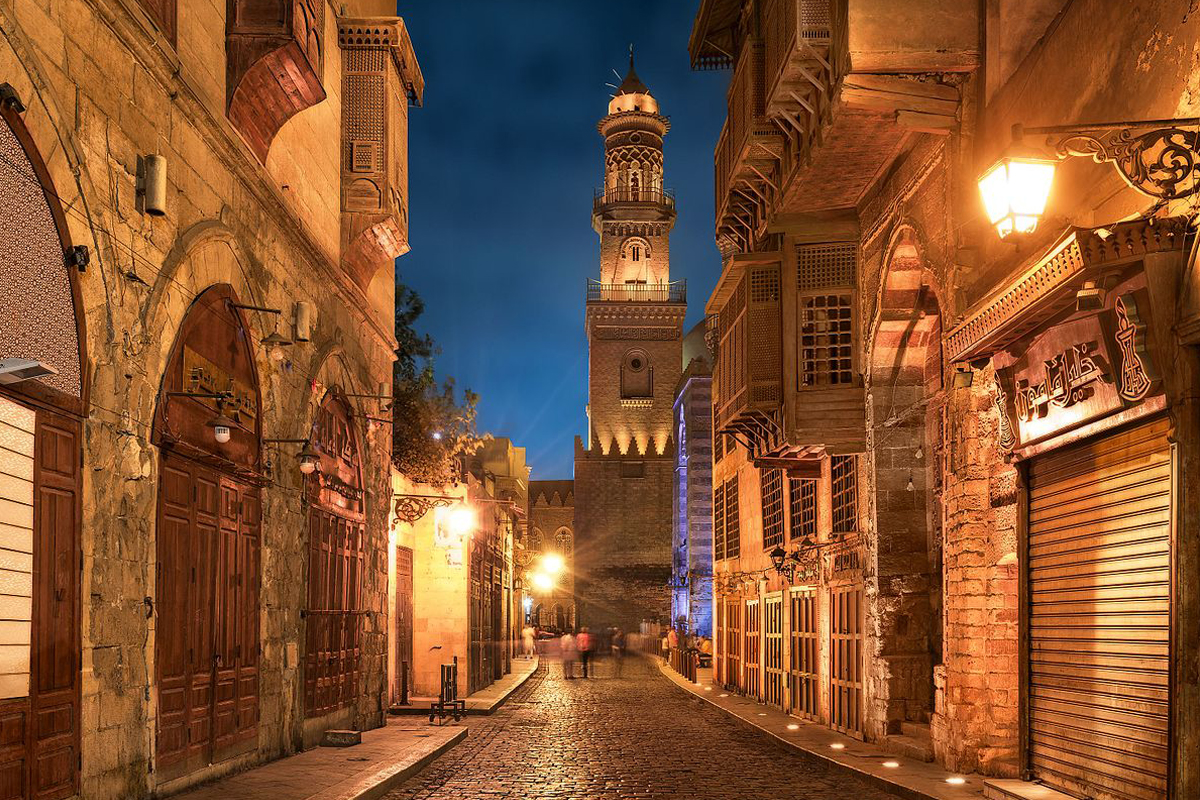
Islamic Cairo contains some of the capital’s most remarkable religious and architectural monuments.
Major sites include the Saladin Citadel, Mosque of Muhammad Ali, Sultan Hassan Mosque-Madrasa, Al-Rifa’i Mosque, Al-Muizz Street, and Khan el-Khalili Bazaar.
These places represent different periods of Cairo’s history, including Fatimid, Ayyubid, Mamluk, and Ottoman influences.
Many historic streets are best explored on foot. The challenge is reaching the neighborhood and allowing enough time to appreciate individual monuments.
Zone 4: Coptic Cairo and Fustat
Coptic Cairo is centered around historic Christian monuments, including the Hanging Church, Church of Saints Sergius and Bacchus, and Coptic Museum.
The nearby Ben Ezra Synagogue adds another dimension to the area’s religious heritage.
Fustat, associated with the earliest Islamic settlement of Egypt after the Arab conquest, is also home to the National Museum of Egyptian Civilization.
This makes the southern zone a particularly rewarding place to explore Egyptian history beyond the pharaonic period.
A Simple Geographic Planning Rule
Plan one major geographical area for each day and avoid repeatedly crossing Cairo during peak traffic.
A useful sequence is:
- Day 1: Giza Pyramids and Grand Egyptian Museum.
- Day 2: Coptic Cairo and National Museum of Egyptian Civilization.
- Day 3: Islamic Cairo and Khan el-Khalili.
- Day 4: Saqqara, Memphis, and Dahshur.
- Day 5: Downtown Cairo, Egyptian Museum, and Nile.
If your interests differ, change the activities within a day rather than constantly changing the geographical order.
Cairo One Day Itinerary: The Essential Highlights
One day in Cairo is enough for a memorable introduction, but it is not enough to see everything.
For a first visit, the most efficient Cairo one day itinerary focuses on Giza and the Grand Egyptian Museum.
Both locations are on the western side of Greater Cairo, making them more convenient to combine than monuments scattered across the city.
Morning: Visit the Giza Pyramids and Great Sphinx
Suggested duration: 3–4 hours
Begin your day at the Giza Plateau, ideally close to the site’s opening time.
The plateau includes three major royal pyramids built for Khufu, Khafre, and Menkaure, as well as subsidiary pyramids, mortuary temples, ancient tombs, and the Great Sphinx.
The Great Pyramid of Khufu is the largest of the three principal pyramids. Originally built during the Fourth Dynasty, it remains one of the most remarkable surviving architectural achievements of the ancient world.
Start by exploring the main pyramid area, then continue to a panoramic viewpoint where you can appreciate the relationship between the monuments and the surrounding desert.
Allow time to visit the Great Sphinx, a monumental limestone sculpture with a lion’s body and human head.
For additional historical context, explore the Giza Necropolis and its ancient monuments.
The Giza Plateau has a modern visitor-transport arrangement, so confirm the active entrance, internal shuttle routes, and current access procedures before your visit.
Practical advice: General site admission and access to individual pyramid interiors are not necessarily included in the same ticket. Decide in advance whether entering a pyramid is important to you.
If you have limited time, viewing the monuments from outside often provides a more complete overall experience than waiting to enter one chamber.
Afternoon: Explore the Grand Egyptian Museum
Suggested duration: 3–4 hours, or longer for museum enthusiasts
After a lunch break, continue to the Grand Egyptian Museum, commonly called the GEM.
The museum is located near the Giza Plateau and presents an extensive collection covering ancient Egyptian civilization.
Its principal attractions include the colossal statue of Ramesses II, Grand Staircase, main galleries, Tutankhamun Galleries, and exhibits associated with King Khufu’s boats.
The Tutankhamun collection is especially important because the objects illuminate the royal burial practices, craftsmanship, religious beliefs, and material culture of Egypt’s New Kingdom.
Rather than rushing through every gallery, identify a few areas that interest you most.
Travelers with a strong interest in Egyptology may prefer to devote most of the afternoon—or even an entire separate day—to the museum.
The museum uses timed-entry arrangements, making advance planning important.
Visitors who prefer an organized excursion can consider a Giza Pyramids and Grand Egyptian Museum private day tour.
Evening: Dinner Near Giza
Finish your day with dinner near your hotel or in a restaurant overlooking the pyramids, where available.
After a full morning outdoors and several hours inside the museum, traveling across Cairo for another major attraction may not be worthwhile.
A relaxed evening makes more sense, particularly if you arrived in Egypt the previous day.
Who should choose this one-day Cairo itinerary? Travelers on a short city break, stopover passengers with sufficient time, and visitors whose main priority is ancient Egypt.
For a same-day international flight connection, allow substantial time for airport transfers, immigration, security, and unexpected traffic. Do not assume that a full sightseeing day fits into a short layover.
Cairo Itinerary 2 Days: Pyramids and Historic Cairo
A two-day Cairo itinerary offers enough time to see the major ancient monuments and experience part of the city’s living history.
The key is to dedicate your first day to Giza and your second day to historic neighborhoods.
Day 1: Giza Pyramids and Grand Egyptian Museum
Follow the one-day itinerary described above.
Start at the pyramids, visit the Sphinx, have lunch, and spend the afternoon inside the Grand Egyptian Museum.
Keep your evening flexible.
If you still have energy, enjoy a traditional Egyptian meal or a short walk near your accommodation.
Day 2: Coptic Cairo, the Citadel, and Khan el-Khalili
Suggested sightseeing day: 8–10 hours including transfers and breaks
Morning: Coptic Cairo
Begin in Old Cairo, visiting the Hanging Church and other important religious sites.
The Hanging Church in Coptic Cairo is one of the country’s best-known historic churches. Its name refers to its elevated position above the gatehouse of the ancient Roman fortress of Babylon.
The area is closely associated with Egypt’s Christian heritage.
If religious history interests you, spend additional time in the Coptic Museum, where artifacts document the development of Coptic art and culture.
Early afternoon: Saladin Citadel
Continue to the Citadel overlooking Cairo.
Founded during the reign of Saladin in the 12th century, the fortress later served as an important center of Egyptian government.
The Mosque of Muhammad Ali, built in the 19th century, is among its most recognizable landmarks.
Views from the elevated Citadel help visitors understand Cairo’s enormous urban scale.
Late afternoon: Khan el-Khalili
Continue to the historic market district.
Khan el-Khalili offers narrow streets, traditional shops, jewelry, brassware, textiles, and cafés.
This is an excellent opportunity to experience a different side of Cairo after spending the previous day around monumental archaeological sites.
If timing permits, include a short walk along Al-Muizz Street.
Important: This two-day plan is relatively busy. Travelers who prefer a slower pace should choose either the Citadel or the market district rather than attempting an exhaustive visit to both.
Cairo Egypt 3 Day Itinerary: The Best First-Time Route
Three days in Cairo provide the strongest balance between famous monuments, historic neighborhoods, and cultural understanding.
This recommended three-day Cairo itinerary is designed to minimize unnecessary transfers and avoid combining too many major attractions into one afternoon.
Rather than simply adding more stops, each day tells a different part of Egypt’s story.
| Day | Main Focus | Key Attractions | Recommended Pace |
| Day 1 | Ancient Egypt | Giza Pyramids, Sphinx, Grand Egyptian Museum | Full day |
| Day 2 | Religious and cultural history | Coptic Cairo, Coptic Museum, NMEC | Moderate |
| Day 3 | Medieval and Islamic Cairo | Citadel, Sultan Hassan, Al-Muizz Street, Khan el-Khalili | Full day |
Day 1: Giza Pyramids, Sphinx, and Grand Egyptian Museum
Begin at Giza early in the morning.
A typical visit starts with the Pyramid of Khufu, continues around the major pyramids, and finishes with the Sphinx and panoramic viewpoints.
Take your time understanding the layout rather than treating the visit as a succession of photograph stops.
The pyramids were part of royal mortuary complexes that also included temples, causeways, cemeteries, and ceremonial spaces.
The Great Sphinx is commonly associated with the reign of Khafre, although aspects of its original purpose and construction remain subjects of scholarly discussion.
For travelers wanting to understand the monument’s historical context before visiting, the Great Sphinx of Giza guide offers a useful introduction.
After lunch, visit the Grand Egyptian Museum.
Because the Tutankhamun Galleries and other collections contain a tremendous amount of material, choose your priorities.
For a three-day Cairo itinerary, approximately three to four hours is a reasonable starting allocation for the museum, with more time if you are particularly interested in the collections.
A good museum visit should leave you with an understanding of the objects’ historical significance, not simply a long collection of photographs.
Return to your hotel in the evening.
You may prefer a quiet dinner rather than another organized activity.
Day 2: Coptic Cairo and the National Museum of Egyptian Civilization
The second day shifts your attention from royal pyramids to the religious and cultural traditions that shaped Egypt over many centuries.
9:00 a.m. – Explore Coptic Cairo
Begin near the Mar Girgis area, which provides access to several important historic sites.
Visit the Hanging Church, known formally as the Church of the Virgin Mary.
Its position above the ancient fortress structure gives it an unusual architectural setting.
Continue to the Church of Saints Sergius and Bacchus, often called Abu Serga.
The church has long been associated with traditions concerning the Holy Family’s presence in Egypt.
These associations are important elements of local religious heritage, although religious traditions should be distinguished from independently established historical events.
Next, visit the Ben Ezra Synagogue if access is available.
The synagogue forms part of the area’s diverse religious history and is historically associated with the Cairo Geniza, a major collection of Jewish manuscript materials.
11:00 a.m. – Visit the Coptic Museum
The Coptic Museum explores Egyptian Christian history through manuscripts, textiles, sculptures, architectural fragments, and other objects.
Its collections help explain how artistic traditions changed during Egypt’s late antique and medieval periods.
The museum is particularly valuable for travelers who want to understand the continuity between ancient Egyptian, Greek, Roman, and Christian influences.
Allow approximately one to two hours depending on your interests.
1:00 p.m. – Lunch break
Enjoy lunch before continuing to the next major attraction.
This is a good opportunity to try Egyptian dishes such as koshari, molokhia, grilled meats, or vegetable-based mezze.
Choose a restaurant that is convenient for your route rather than driving across Cairo solely for a popular dining destination.
2:00 p.m. – National Museum of Egyptian Civilization
The National Museum of Egyptian Civilization, or NMEC, is located in Fustat.
Unlike a museum focusing exclusively on pharaonic art, NMEC presents a broader perspective on Egypt’s history across successive periods.
Its Royal Mummies Hall is one of its principal attractions.
The royal mummies were transferred from the Egyptian Museum in Tahrir Square in 2021 during the Pharaohs’ Golden Parade.
Today, the museum provides an opportunity to learn about royal funerary practices while also exploring the country’s wider cultural development.
Read more about the National Museum of Egyptian Civilization before choosing which galleries to prioritize.
Plan approximately two hours for a focused visit, or longer if you want to explore the exhibitions in detail.
Evening: A Relaxed Nile Experience
Finish the second day with a relaxed dinner.
If you are staying near the Nile, consider spending time by the waterfront or taking a short evening river experience when conditions and available services permit.
Avoid scheduling a lengthy additional transfer if the day’s sightseeing has already been tiring.
Day 3: Islamic Cairo, Saladin Citadel, and Khan el-Khalili
The final day explores Cairo’s medieval heritage and gives travelers a better understanding of the city beyond ancient Egyptian monuments.
Islamic Cairo is particularly interesting because its historic buildings are integrated into an active urban environment.
Mosques, markets, traditional houses, schools, and commercial streets occupy an interconnected landscape.
9:00 a.m. – Visit Saladin Citadel
Begin at the Saladin Citadel in Islamic Cairo.
The fortress was established in the 12th century and later developed under successive rulers.
Inside the complex, the Mosque of Muhammad Ali is the most recognizable monument for many visitors.
Its Ottoman-inspired architecture, domes, and minarets dominate the skyline.
The Citadel also offers opportunities to view Cairo from above, although visibility varies with weather and atmospheric conditions.
Allow approximately 90 minutes to two hours for the main highlights.
11:30 a.m. – Sultan Hassan Mosque-Madrasa and Al-Rifa’i Mosque
Continue to the nearby Sultan Hassan complex, one of Cairo’s most impressive examples of Mamluk architecture.
Built during the 14th century, the complex was designed as both a mosque and a center of religious education.
Its dramatic entrance, large courtyard, stonework, and monumental proportions make it architecturally significant.
Across the square stands Al-Rifa’i Mosque, whose construction began in the 19th century and continued into the early 20th century.
Together, these buildings demonstrate how architectural traditions developed across different historical periods.
Visitors should dress respectfully and follow the rules applicable to active places of worship.
1:00 p.m. – Lunch
Choose a nearby restaurant and allow enough time to rest.
Historic Cairo involves walking, occasional uneven surfaces, and exposure to heat.
A proper lunch break can improve the experience considerably.
2:30 p.m. – Walk Along Al-Muizz Street
Explore Al-Muizz Street in historic Cairo, one of the most important historic streets associated with the Fatimid city.
The surrounding district contains monuments from different periods, including mosques, educational institutions, residential architecture, and historic gates.
Notable places include the Qalawun Complex, Bayt al-Suhaymi, and several historic religious buildings.
You do not need to enter every monument.
Instead, select two or three that particularly interest you and enjoy the wider streetscape.
Some monuments require separate tickets or may have restricted visiting arrangements.
4:30 p.m. – Khan el-Khalili Bazaar
Continue to Khan el-Khalili Bazaar.
This historic commercial district remains an important part of the city’s visitor experience.
Explore shops selling metalwork, textiles, jewelry, decorative objects, and souvenirs.
Take time to sit at a café and observe the neighborhood rather than treating the bazaar solely as a shopping stop.
The surrounding district becomes particularly atmospheric toward evening when shops and cafés are active.
The experience is different from visiting the archaeological sites around Giza, making it a satisfying conclusion to three days in Cairo.
An Alternative Three-Day Cairo Itinerary for Archaeology Lovers
Travelers primarily interested in ancient Egypt may prefer a different third day.
Keep Day 1 for Giza and the Grand Egyptian Museum, and Day 2 for the historic city, then use Day 3 for Saqqara, Memphis, and Dahshur.
This variation gives greater attention to the development of pyramid architecture.
It is especially suitable for visitors already familiar with Egyptian history, travelers interested in tomb decoration, and people who prefer archaeological sites over extended city walks.
Egypt Vacation Tours also offers a three-day Cairo highlights tour that travelers can compare with their own preferred schedule.
What Should You Skip With Only Three Days in Cairo?
Avoid attempting to visit every major museum.
The GEM, Egyptian Museum in Tahrir, NMEC, and Coptic Museum all offer different experiences, but seeing all four in three days leaves limited time for neighborhoods and monuments.
Instead, prioritize the GEM and select one or two additional museums according to your interests.
Also avoid adding Alexandria, Fayoum, or a flight to Luxor to an already full Cairo schedule.
These destinations deserve separate planning.
A three-day itinerary is most rewarding when it offers varied experiences rather than the longest possible attraction list.
Cairo Itinerary 4 Days: Add Saqqara, Memphis, and Dahshur
Four days in Cairo are an excellent choice for travelers who want to understand the development of ancient Egyptian civilization beyond the famous Giza Pyramids.
The fourth day should focus on the older pyramid fields south of Giza.
These sites reveal how Egyptian royal tomb construction evolved before and during the period associated with Khufu, Khafre, and Menkaure.
Day 4: Explore the Origins of Pyramid Building
Morning: Saqqara Necropolis
Start at Saqqara, the vast ancient burial ground associated with Memphis, one of Egypt’s earliest capital cities.
Its most celebrated monument is the Step Pyramid of Djoser.
Built during Egypt’s Third Dynasty and traditionally associated with the architect Imhotep, the monument represents an important development in monumental stone construction.
Unlike the smooth-sided pyramids at Giza, Djoser’s monument rises in a series of steps.
The surrounding funerary complex includes courtyards, ceremonial structures, and architectural features that help explain how royal burial practices developed.
The wider Saqqara Necropolis contains many tombs and monuments from different historical periods.
Depending on access and the time available, consider visiting decorated tombs where agricultural scenes, craft activities, religious ceremonies, and daily life are represented.
These scenes are among the most rewarding features of Saqqara because they provide insights into the society that supported ancient Egyptian civilization.
Allow approximately two to three hours for a selective visit. Dedicated archaeology enthusiasts could spend considerably longer.
Midday: Ancient Memphis
Continue to the archaeological area associated with Memphis.
Memphis served as an important political and religious center in ancient Egypt.
The surviving archaeological remains offer a more limited experience than the monumental landscapes at Giza and Saqqara, but they provide valuable historical context.
One of the best-known objects is a colossal statue of Ramesses II.
A brief visit is usually sufficient for travelers following a multi-site itinerary.
Afternoon: Dahshur Pyramids
Finish the archaeological excursion at Dahshur.
This area is particularly significant because it contains pyramids associated with Sneferu, the Fourth Dynasty ruler who preceded Khufu.
The Bent Pyramid demonstrates an important stage in the development of pyramid construction.
Its changing slope creates a distinctive appearance and reflects adjustments made during building.
The Red Pyramid is considered one of the earliest successful large-scale smooth-sided pyramids.
These monuments offer an opportunity to see the architectural experiments that preceded the Great Pyramid of Khufu.
Visitors interested in the broader history can explore the Dahshur Necropolis before traveling.
Those who prefer organized transportation can consider a Saqqara, Memphis, and Dahshur day tour.
Evening: Return to Cairo
After a full day of archaeological sightseeing, return to your hotel.
Avoid scheduling another major attraction in the evening.
Saqqara and Dahshur involve walking across exposed archaeological areas, making rest particularly important during warmer months.
Cairo Itinerary 5 Days: A Balanced Cultural Vacation
Five days in Cairo provide enough time to explore the most important landmarks while enjoying the city at a more comfortable pace.
This is an especially appealing option for travelers visiting Egypt for the first time who do not want to change hotels frequently.
A well-organized Cairo itinerary for five days might look like this:
| Day | Main Experiences | Evening Suggestion |
| 1 | Giza Pyramids, Sphinx, Grand Egyptian Museum | Dinner near Giza |
| 2 | Coptic Cairo, Coptic Museum, NMEC | Relaxed Nile-side dinner |
| 3 | Citadel, Sultan Hassan, Al-Muizz Street, Khan el-Khalili | Traditional café |
| 4 | Saqqara, Memphis, Dahshur | Rest at hotel |
| 5 | Egyptian Museum in Tahrir, downtown Cairo, Nile experience | Felucca ride or dinner |
Day 5: Egyptian Museum, Downtown Cairo, and the Nile
The fifth day adds experiences that a shorter itinerary would struggle to accommodate.
Morning: Egyptian Museum in Tahrir Square
Visit the Egyptian Museum in Tahrir Square.
Opened in 1902, the museum remains an important destination for visitors interested in Egyptian antiquities.
Although significant collections have been transferred to other museums, including the GEM and NMEC, the historic institution continues to display important archaeological objects.
Its setting is also different from that of the modern Grand Egyptian Museum.
The building’s historic galleries and traditional exhibition environment form part of the visitor experience.
Spend approximately two hours exploring selected sections.
For travelers who have already visited the GEM and NMEC, this is an opportunity to examine different collections rather than repeat the same museum experience.
Midday: Discover Downtown Cairo
After the museum, explore central Cairo.
Tahrir Square forms an important landmark in modern Egyptian history and has played a prominent role in the country’s political and social life.
The surrounding downtown area contains architecture from the late 19th and early 20th centuries, including buildings influenced by European design traditions.
Walk through selected streets and discover cafés, bookshops, and historic urban spaces.
Downtown Cairo provides a contrast to both the medieval neighborhoods and archaeological landscapes visited earlier in the trip.
Visitors who enjoy architecture may want to devote additional time to this area.
Afternoon: Zamalek or Cairo Tower
Continue toward Gezira Island, which lies in the Nile.
Zamalek is known for residential streets, cultural institutions, restaurants, and cafés.
The district is a useful place to slow down after several intensive sightseeing days.
Another option is Cairo Tower, a landmark on Gezira Island that offers elevated views of the city.
The tower’s observation experience depends on weather conditions and visibility.
If you are not interested in panoramic views, spend the afternoon exploring Zamalek instead.
Evening: Felucca Ride on the Nile
Finish your fifth day with a traditional felucca ride, subject to weather and operational conditions.
Feluccas are sailing boats that have long been associated with the Nile.
A short ride provides a different perspective on Cairo’s riverfront, bridges, and urban skyline.
Unlike a full dinner cruise, a felucca experience can be relatively simple and focused on enjoying the water.
Consider a private felucca experience on the Nile in Cairo if you prefer to arrange the activity in advance.
This is a fitting way to end a five-day Cairo vacation: away from the traffic, with time to reflect on the city’s enormous historical range.
Cairo Itinerary 6 Days: Add a Day Trip or Explore More Deeply
Six days in Cairo provide the flexibility to visit a nearby destination without sacrificing the city’s main highlights.
For most travelers, Alexandria is the strongest option if they want a change of scenery, different historical attractions, and views of the Mediterranean.
However, a full-day excursion is not compulsory.
You can also use the sixth day to explore Cairo’s lesser-visited museums, palaces, and neighborhoods.
Option 1: Alexandria Day Trip from Cairo
Alexandria lies on Egypt’s Mediterranean coast and has an important history associated with the ancient Greek and Roman worlds.
Founded by Alexander the Great in 331 BCE, the city later became a major center of Mediterranean culture and scholarship.
A day trip may include selected attractions such as the Catacombs of Kom el-Shoqafa, Pompey’s Pillar and the Serapeum area, the modern Bibliotheca Alexandrina, and the Citadel of Qaitbay.
Alexandria offers a different atmosphere from Cairo.
Its Mediterranean setting, waterfront, and architectural heritage make the excursion especially attractive to travelers interested in Egypt’s later historical periods.
However, the journey takes a substantial part of the day, and road conditions can affect travel time.
Choose two or three main attractions rather than attempting to see every famous location.
A private Alexandria day tour from Cairo can simplify the journey and local transportation.
For travelers who want more time in Alexandria, an overnight visit is generally more comfortable than returning to Cairo after a full sightseeing schedule.
Option 2: Discover Cairo’s Palaces and Smaller Museums
If you prefer to remain in Cairo, choose attractions that match your interests.
The Museum of Islamic Art is particularly rewarding for visitors interested in craftsmanship, manuscripts, ceramics, textiles, and architectural decoration.
The Manial Palace Museum offers a different perspective through its architecture, collections, and landscaped setting.
Abdeen Palace Museum is another option for travelers interested in Egypt’s more recent royal history.
The Mosque of Ibn Tulun and nearby Gayer-Anderson Museum can be combined into a themed excursion focused on historic architecture and domestic life.
Avoid combining all these places into one day.
A better plan is to choose one major museum, one nearby architectural attraction, and a comfortable lunch stop.
Option 3: A Cairo Food and Neighborhood Day
Travelers who prefer cultural experiences over additional monuments can spend the sixth day exploring Egyptian cuisine.
A food-focused day might include breakfast at a local café, a guided walk through a traditional neighborhood, and lunch featuring classic Egyptian dishes.
Koshari, ful medames, taameya, molokhia, hawawshi, and Egyptian grilled meats represent different aspects of the country’s food culture.
Traditional sweets and local bakeries can add variety to the experience.
A guided Cairo food tour and Khan el-Khalili experience may be particularly helpful for visitors unfamiliar with the city’s neighborhoods.
For travelers with dietary restrictions, confirm ingredients and preparation methods rather than assuming a dish is suitable based only on its name.
Cairo Itinerary 7 Days: One Full Week in the Capital
A seven-day Cairo itinerary allows visitors to explore the city without rushing.
It is suitable for travelers who enjoy spending extended time in one destination, families who prefer fewer hotel changes, and visitors with specialist interests.
The most effective approach is to cover the main highlights during the first five days, then use the final two days for excursions or experiences that suit your preferences.
Recommended 7-Day Cairo Itinerary
| Day | Destination or Activity | Main Highlights |
| Day 1 | Giza | Pyramids, Sphinx, GEM |
| Day 2 | Coptic Cairo | Churches, Coptic Museum, NMEC |
| Day 3 | Islamic Cairo | Citadel, historic mosques, Al-Muizz Street |
| Day 4 | Saqqara and Dahshur | Step Pyramid, Memphis, Bent Pyramid, Red Pyramid |
| Day 5 | Central Cairo | Egyptian Museum, Downtown, Zamalek, Nile |
| Day 6 | Alexandria | Mediterranean waterfront and historic sites |
| Day 7 | Flexible Cairo day | Palaces, museums, food experiences, or relaxation |
Day 6: Alexandria or Fayoum
Alexandria is the stronger option if your interests include Mediterranean history and coastal scenery.
Fayoum, southwest of Cairo, offers a different landscape associated with desert environments, agricultural settlements, lakes, and natural attractions.
A Fayoum excursion may include selected places around Lake Qarun, Tunis Village, and the Wadi El Rayan area, depending on the chosen route.
Travelers interested in desert scenery and traditional crafts may find Fayoum particularly rewarding.
These are alternative excursions, not destinations that should normally be combined into the same day.
Day 7: Choose Your Own Cairo Experience
The final day should be flexible.
If you have spent the previous six days visiting numerous monuments, a relaxed morning and an enjoyable meal may be more appealing than another intensive tour.
For museum enthusiasts, it provides an opportunity to return to a collection that deserves additional attention.
Families could choose a shorter activity suited to their children’s interests.
Photography enthusiasts may prefer visiting selected viewpoints in better lighting conditions.
If you want a ready-made multi-destination alternative, compare a seven-day Cairo and Alexandria tour with spending the entire week in the capital.
The main advantage of a full-week Cairo itinerary is flexibility.
You can respond to weather, energy levels, and new interests without constantly changing your plans.
Cairo, Luxor, and Aswan Itinerary: Should You Leave Cairo After Three Days?
Many international travelers searching for a Cairo itinerary are actually planning a longer Egypt vacation.
In that situation, it is important to distinguish between a Cairo-only trip and an itinerary covering multiple Egyptian destinations.
Cairo provides access to the Pyramids of Giza, several major museums, and historic urban neighborhoods.
Luxor offers exceptional archaeological sites associated with ancient Thebes, including Karnak Temple, Luxor Temple, the Valley of the Kings, and the Temple of Hatshepsut.
Aswan combines Nubian heritage, important temples, Nile scenery, and access to excursions such as Abu Simbel.
Travelers with a week or more can consider combining these destinations.
5 Days in Egypt Itinerary: Cairo and Luxor
Five days in Egypt are enough to visit Cairo and Luxor if your schedule is carefully organized.
However, attempting to add Aswan as well would create a very fast-paced vacation.
| Day | Destination | Suggested Plan |
| 1 | Cairo | Arrival and light sightseeing |
| 2 | Cairo | Giza Pyramids and GEM |
| 3 | Cairo to Luxor | Morning cultural sightseeing or flight, depending on schedule |
| 4 | Luxor | Karnak Temple and Luxor’s West Bank |
| 5 | Luxor | Departure or onward travel |
This itinerary is best suited to travelers prioritizing ancient Egyptian monuments.
If your international flights arrive and depart through Cairo, account for the additional domestic connection rather than treating Day 5 as a complete sightseeing day.
An alternative five-day Egypt itinerary could focus entirely on Cairo and nearby attractions.
That version is more comfortable and avoids additional flights.
One Week in Egypt: Cairo, Luxor, and Aswan
For travelers with seven days in Egypt, a Cairo, Luxor, and Aswan itinerary offers a broader experience than spending the entire week in Cairo.
A possible schedule is:
| Day | Location | Main Experience |
| 1 | Cairo | Arrival and rest |
| 2 | Giza | Pyramids and Grand Egyptian Museum |
| 3 | Cairo | Islamic Cairo, Coptic Cairo, or selected museum |
| 4 | Luxor | Travel to Luxor and East Bank temples |
| 5 | Luxor | Valley of the Kings and West Bank |
| 6 | Aswan | Travel to Aswan and selected sightseeing |
| 7 | Aswan | Philae Temple or departure, depending on flight schedule |
This route requires thoughtful transportation planning.
A domestic flight is often useful between Cairo and Luxor, while travel between Luxor and Aswan may be arranged by road, rail, or a Nile cruise.
A conventional multi-night Nile cruise generally needs additional time, particularly if it includes stops along the river.
For a six-day packaged alternative, travelers can compare the Cairo, Luxor, and Aswan tour.
10 Days in Egypt Itinerary: A More Complete Journey
Ten days in Egypt offer a stronger balance between Cairo sightseeing, Upper Egypt’s archaeological sites, and time on the Nile.
A practical itinerary might include:
| Days | Destination | Experiences |
| 1–3 | Cairo and Giza | Pyramids, GEM, Islamic Cairo, Coptic Cairo |
| 4–5 | Luxor | Karnak, Luxor Temple, Valley of the Kings |
| 6–8 | Nile Cruise | Edfu, Kom Ombo, river scenery, depending on itinerary |
| 9 | Aswan | Philae Temple and Nubian cultural experiences |
| 10 | Aswan or Cairo | Departure arrangements |
The exact route depends on flight arrangements and whether the cruise travels from Luxor to Aswan or in the opposite direction.
Visitors who want a combination of history, river experiences, and multiple destinations can review an Egypt itinerary covering ten days when comparing package options.
Planning tip: A seven-day Egypt itinerary and a seven-day Cairo itinerary answer different travel needs. Choose based on the breadth of your interests, not just the number of days available.
Which Museums Should You Include in Your Cairo Itinerary?
Cairo’s major museums are not interchangeable.
Each provides a different perspective on Egyptian history, and choosing the right combination can significantly improve your itinerary.
| Museum | Main Focus | Suggested Visit | Best For |
| Grand Egyptian Museum (GEM) | Ancient Egyptian civilization, Tutankhamun collection, monumental artifacts | 3–5 hours or more | First-time visitors and Egyptology enthusiasts |
| Egyptian Museum in Tahrir | Historic Egyptian Museum collections and traditional museum experience | 2–3 hours | Archaeology and museum lovers |
| National Museum of Egyptian Civilization (NMEC) | Egyptian civilization across historical periods, Royal Mummies Hall | 1.5–3 hours | Visitors interested in royal mummies and cultural history |
| Coptic Museum | Coptic art, manuscripts, and Christian Egyptian heritage | 1–2 hours | Religious history and cultural travelers |
| Museum of Islamic Art | Islamic decorative arts, manuscripts, ceramics, and craftsmanship | 1.5–2.5 hours | Art and architecture enthusiasts |
The durations are planning estimates, not official minimums or maximums.
GEM vs Egyptian Museum in Tahrir
The Grand Egyptian Museum is generally the stronger first choice for travelers interested in monumental ancient Egyptian objects and the Tutankhamun collection.
The Egyptian Museum in Tahrir provides a different experience within a historic museum building and offers access to additional archaeological collections.
For first-time visitors with limited time, prioritize the GEM.
If you have four or five days in Cairo, consider adding the Egyptian Museum.
GEM vs National Museum of Egyptian Civilization
The GEM focuses heavily on ancient Egyptian material culture and archaeological collections.
NMEC presents Egyptian civilization more broadly and includes the Royal Mummies Hall.
The two museums therefore complement each other.
Travelers particularly interested in mummification, royal burials, and the historical identities of ancient Egyptian kings should consider visiting NMEC after the GEM.
Can You Visit All Three Major Museums?
Yes, but it is better to distribute them across several days.
Visiting the GEM, NMEC, and Egyptian Museum in Tahrir on the same day would leave limited time to appreciate their collections.
For a five-day Cairo itinerary, placing the GEM on Day 1, NMEC on Day 2, and the Egyptian Museum on Day 5 creates a more comfortable schedule.
Where Should You Stay in Cairo?
Choosing the right accommodation area can save considerable time during your trip.
Cairo and Giza cover a large metropolitan area, and driving distances do not always reflect actual journey times.
The best location depends on your sightseeing priorities, budget, and preferred atmosphere.
| Area | Main Advantages | Potential Drawbacks | Best For |
| Downtown Cairo | Central location, dining, historic architecture, access to the Egyptian Museum | Busy streets and traffic | First-time visitors interested in city life |
| Zamalek | Restaurants, cafés, relatively relaxed residential atmosphere | Travel required to reach Giza and some historic sites | Couples and independent travelers |
| Garden City | Nile proximity and central location | Accommodation selection varies | Travelers seeking a central base |
| Giza Pyramids area | Convenient for pyramids and GEM, possible pyramid views | Farther from many eastern Cairo attractions | Short visits focused on ancient Egypt |
| Heliopolis | Useful for airport-related stays and some business trips | Longer sightseeing transfers to Giza and older districts | Short stopovers and airport convenience |
| New Cairo | Modern hotels and residential districts | Longer journeys to many major attractions | Visitors with business or family commitments |
Best Area for First-Time Visitors
Downtown Cairo, Garden City, and Zamalek are generally convenient choices for visitors who want to explore multiple parts of the capital.
These locations provide reasonable access to central attractions and a wider selection of dining experiences.
However, no single neighborhood is equally close to everything.
Is Staying Near the Pyramids a Good Idea?
Staying in Giza makes sense if the pyramids and GEM are your main priorities.
Some accommodations offer pyramid views, but room quality, neighborhood surroundings, and actual views vary significantly.
Confirm that any advertised pyramid-view room genuinely offers the view you expect.
For a three- to five-day itinerary involving multiple parts of Cairo, staying centrally may be more convenient overall.
Should You Change Hotels During a Cairo Vacation?
Usually not.
For a trip of one to five days, choosing one suitable hotel is generally more efficient than repeatedly checking in and out.
Changing hotels consumes time that could be spent sightseeing.
An exception might be a longer itinerary that begins with several nights in Giza and continues with an extended stay in central Cairo.
How to Get Around Cairo in 2027
Transportation is one of the most important parts of planning a Cairo trip.
Cairo offers taxis, ride-hailing services, a metro network, private cars, and organized tours.
The best option depends on the distance involved, your familiarity with the city, and the attractions you want to visit.
Private Car and Driver
A private driver is particularly useful for geographically spread-out sightseeing.
For example, traveling between Saqqara, Memphis, and Dahshur is considerably easier when transportation has been organized in advance.
A driver can also help with hotel pickups, luggage, and coordinated transfers.
However, a driver does not automatically provide historical explanations. If you want specialist commentary, check whether a licensed guide is included.
Ride-Hailing Services
App-based transport is a practical option for individual journeys within Cairo.
It can be useful for transfers between hotels, restaurants, and major attractions.
Travelers should confirm their pickup location, check the vehicle details, and allow additional time during busy periods.
Service availability and waiting times can vary by neighborhood and hour.
Cairo Metro
The Cairo Metro is useful for selected journeys, particularly within central areas served by existing lines.
It can reduce dependence on surface traffic.
However, not every major tourist attraction has a convenient station nearby.
Travelers visiting the Giza Plateau or more distant archaeological sites may need an additional taxi or private transfer.
The metro can be a useful component of a Cairo itinerary, but it should not be considered a complete solution for all sightseeing.
Airport Transfers
Cairo International Airport serves as a major arrival point for international visitors.
Transfer arrangements depend on your terminal, hotel location, arrival time, and available transportation.
Prearranged transfers are convenient for travelers arriving late at night, families with luggage, and visitors unfamiliar with Cairo.
The airport also has taxi and other transportation services.
Before traveling, review your arrival arrangements and the location of Cairo International Airport.
Some travelers may use Sphinx International Airport for particular flight routes. The two airports are not interchangeable, so check the exact airport code when making reservations.
How Much Travel Time Should You Allow?
Avoid building your itinerary around ideal traffic conditions.
Even relatively short road journeys can take longer during commuting periods or near busy attractions.
A practical planning rule is to leave buffer time between major activities and avoid booking an inflexible evening commitment immediately after a distant excursion.
Museum entry times, airport departures, restaurant reservations, and guided-tour pickups should receive particular attention.
How Much Does a Cairo Itinerary Cost?
The cost of visiting Cairo depends on the number of days, accommodation category, transportation arrangements, paid attractions, and whether you use private guides.
A self-guided itinerary with independent transportation will have a different cost structure from a fully organized private tour.
Instead of relying on fixed prices that may change before 2027, calculate your expenses using the major components below.
| Expense | Budget Approach | Comfort Approach | Premium Approach |
| Accommodation | Budget hotel or guesthouse | Mid-range hotel | Luxury hotel |
| Transport | Metro and ride-hailing | Mixed transfers and selected private transport | Private vehicle throughout |
| Sightseeing | Independently purchased tickets | Tickets plus selected guided experiences | Privately guided sightseeing |
| Food | Casual restaurants and local meals | Mix of restaurants and cafés | Fine dining and premium venues |
| Experiences | Main attractions | Selected extras | Additional exclusive or specialist experiences |
Archaeological Site and Museum Tickets
Entrance fees are an important part of a Cairo sightseeing budget.
Major sites such as the Giza Plateau, GEM, Saqqara, and selected museums may charge separate admission fees.
Special access, pyramid interiors, and certain tombs can require additional tickets.
For 2027 travel, check current official prices before departure rather than relying on a previous year’s travel article.
Also confirm whether your tour package includes the attractions you plan to visit.
Private Tour Costs
Private tours may include transportation, a guide, entry tickets, bottled water, and other services.
However, inclusions vary by operator and specific package.
Always confirm whether the quoted cost includes admission fees, meals, gratuities, airport transfers, and optional activities.
A lower initial package price does not necessarily mean a lower final cost.
How to Control Your Budget
Spend more on services that genuinely improve your experience.
For example, hiring a knowledgeable guide for Saqqara or a complex archaeological itinerary may offer greater value than paying for premium transportation for a short restaurant journey.
Likewise, choosing a conveniently located hotel may reduce daily transportation costs.
Build your budget around the activities that matter most rather than purchasing every optional experience.
Best Time to Visit Cairo in 2027
The most comfortable time for outdoor sightseeing in Cairo is generally between October and April.
Temperatures are usually more suitable for visiting exposed archaeological sites during these months.
However, winter mornings and evenings can be cool, and popular attractions may receive substantial visitor numbers during holiday periods.
| Season | Typical Conditions | Planning Advice |
| December–February | Mild days, cooler evenings, occasional rain | Bring layers; excellent for outdoor sightseeing |
| March–April | Pleasant to increasingly warm weather; occasional dusty conditions | Flexible plans are useful |
| May–June | Hotter daytime temperatures | Visit outdoor sites early |
| July–August | Very hot weather, particularly in exposed areas | Prioritize early starts and indoor breaks |
| September–November | Gradually cooling temperatures | Good balance for sightseeing, especially later in autumn |
These are broad seasonal patterns, not forecasts for specific 2027 dates.
For more context on seasonal planning, explore the best time to visit Egypt.
Visiting Cairo in Summer
Summer travel is possible, but it requires a different schedule.
Begin major outdoor excursions early and arrange indoor museum visits during warmer parts of the day.
The Giza Plateau, Saqqara, and Dahshur offer limited shade in many areas.
Carry drinking water, sun protection, and suitable clothing.
Plan rest periods, especially when traveling with children or older family members.
Visiting Cairo During Ramadan
Ramadan can offer a distinctive cultural atmosphere, particularly in historic Cairo after sunset.
However, daytime restaurant operations, some attraction schedules, traffic patterns, and business hours may differ from ordinary periods.
Travelers should confirm current arrangements and show consideration toward people observing the fast.
A Cairo itinerary during Ramadan may benefit from flexible afternoons and a carefully planned evening schedule.
Visiting During Christmas and New Year
Late December and early January are popular periods for international travel to Egypt.
Demand for hotels, guides, and selected excursions may be higher.
Advance reservations are particularly useful when visiting during major holiday periods.
Is Cairo Safe for International Tourists?
Cairo is a major international tourism destination, but travelers should apply normal urban travel precautions and follow current official guidance.
Safety conditions, security procedures, and government travel advice can change.
Before traveling in 2027, consult the relevant travel advisory issued by your own government.
General Safety Advice
Use reputable transportation, particularly when arriving at an airport or returning to your hotel late in the evening.
Keep valuables secure in crowded areas and remain aware of your surroundings.
Avoid displaying large amounts of cash or leaving phones and bags unattended.
For busy archaeological sites and markets, agree on the terms and price of optional services before accepting them.
Dealing With Unwanted Sales Approaches
Visitors may encounter people offering souvenirs, photographs, transportation, or guided services around popular attractions.
A polite but firm refusal is generally appropriate if you do not want the service.
Avoid assuming that unsolicited assistance is free.
If you purchase an activity, confirm the price, duration, and inclusions before proceeding.
Traveling With Children
Cairo can be rewarding for families, especially those interested in pyramids, archaeology, and museums.
However, long sightseeing days can become tiring.
Choose shorter visits, schedule regular breaks, and consider a private vehicle when visiting widely separated attractions.
The Giza Plateau and other archaeological sites may involve extensive walking, uneven terrain, and limited shade.
Accessibility Considerations
Accessibility differs significantly between attractions.
Modern museums may provide lifts and accessible facilities, while older monuments and archaeological sites can have stairs, uneven stone surfaces, narrow passages, or sloping terrain.
Pyramid interiors are particularly challenging for some visitors.
Travelers with mobility requirements should check specific attraction facilities and arrange suitable transportation before departure.
Visa and Entry Requirements for Egypt in 2027
Entry requirements depend on your nationality, passport, travel purpose, and the rules in effect when you arrive.
Citizens of several countries, including the United States, United Kingdom, Canada, Australia, and many European countries, may be eligible for an Egyptian tourist e-visa.
Eligibility and alternative arrival arrangements must be checked individually.
The official Egyptian e-visa guidance requires passports to be valid for at least six months from the date of arrival.
Travelers should also prepare relevant travel documents, such as accommodation details and itinerary information, as required.
Do not assume that having a passport from a particular country automatically guarantees visa-on-arrival eligibility.
Check the current rules through official Egyptian immigration resources or the appropriate Egyptian embassy before booking non-refundable travel arrangements.
What to Pack for a Cairo Sightseeing Trip
Cairo combines modern city environments with exposed desert archaeological sites and historic religious buildings.
Packing should reflect that variety.
Useful items include comfortable walking shoes, breathable clothes, a hat, sunscreen, sunglasses, a reusable water bottle, and a lightweight jacket for cooler months.
A small day bag is convenient for carrying essentials.
Bring a working payment card and an appropriate amount of Egyptian currency for everyday purchases, tips, and smaller expenses.
Some museums and archaeological sites use electronic ticketing or card-payment arrangements, so travelers should not assume that cash is accepted everywhere.
For mosque and church visits, choose respectful clothing that meets the requirements of the particular site.
A portable phone charger can also be useful for long sightseeing days.
Common Cairo Itinerary Mistakes to Avoid
Trying to Visit Every Major Attraction in One Day
Cairo has more worthwhile attractions than can comfortably fit into a single day.
A rushed schedule reduces the time available to understand and enjoy each place.
Prioritize attractions rather than simply counting them.
Underestimating Traffic
Travel times can vary considerably throughout the day.
Allow sufficient time between destinations, particularly when crossing Greater Cairo.
Treating the GEM, Tahrir Museum, and NMEC as the Same Museum
These institutions have different locations and collections.
Select the one that best matches your interests, then add others when your schedule allows.
Planning Saqqara as a Brief Stop Between Unrelated Attractions
Saqqara is a major archaeological landscape.
A meaningful visit deserves enough time to explore its main monuments rather than being treated as a quick photographic stop.
Booking Too Many Evening Activities
An evening dinner cruise or market visit can be enjoyable.
However, a full day of archaeological sightseeing followed by several hours of additional activities may become exhausting.
Choose memorable experiences rather than filling every hour.
Ignoring Weather Conditions
Outdoor attractions can be demanding during hot weather.
Adjust your sightseeing order to the season and schedule breaks.
Not Checking Ticket Inclusions
General admission may not cover every monument, pyramid interior, tomb, or specialist activity.
Check exactly what your ticket or tour includes.
Following an Outdated Cairo Travel Itinerary
Museum collections, entrance arrangements, ticketing procedures, and operating hours change.
For 2027 planning, make sure your information reflects the current status of the Grand Egyptian Museum and the separate locations of major collections.
How to Customize Your Cairo Itinerary by Travel Style
For First-Time Visitors
Prioritize Giza, GEM, Coptic Cairo, Islamic Cairo, and one memorable Nile experience.
Three or four days are generally suitable.
Focus on variety rather than visiting every museum.
For Ancient Egypt Enthusiasts
Spend more time at Giza, GEM, Saqqara, and Dahshur.
Add the Egyptian Museum in Tahrir and NMEC if your schedule permits.
A four- or five-day itinerary provides a more satisfying archaeological experience.
For Families With Children
Choose shorter sightseeing blocks with clear breaks.
The pyramids and museums can be especially engaging when explanations are adapted to children’s interests.
Avoid combining several large sites in one day.
For Couples
Combine major cultural attractions with relaxed evenings, restaurants, Nile experiences, and time in neighborhoods such as Zamalek.
Four or five days offer a good balance.
For Senior Travelers
Allow additional time for transportation and rest.
Consider the walking distances, site surfaces, and accessibility of each attraction.
A private car can reduce the physical demands of visiting several locations.
For Independent Travelers
Base yourself in a location with convenient dining and transportation.
Use a combination of ride-hailing, the metro, and organized excursions for destinations that are difficult to reach independently.
Keep your itinerary flexible and avoid overbooking.
Frequently Asked Questions About Cairo Egypt Itineraries
How many days are ideal for Cairo, Egypt?
Three to four full days are ideal for most first-time visitors to Cairo. Three days allow you to see the Giza Pyramids, Grand Egyptian Museum, Islamic Cairo, and Coptic Cairo. A fourth day provides enough time for Saqqara, Memphis, and Dahshur. Travelers who want a relaxed pace and additional museums may prefer five days.
Can you see Cairo in two days?
Yes. A two-day Cairo itinerary can cover the Giza Pyramids and Grand Egyptian Museum on the first day, followed by selected attractions in historic Cairo on the second. You will need to make choices between Islamic Cairo, Coptic Cairo, and additional museums rather than attempting to visit everything.
What is the best three-day Cairo itinerary?
The best three-day Cairo itinerary for most first-time visitors is Day 1: Giza Pyramids, Sphinx, and GEM; Day 2: Coptic Cairo and NMEC; and Day 3: the Citadel, Islamic Cairo, and Khan el-Khalili. Archaeology enthusiasts can substitute Saqqara, Memphis, and Dahshur for one of the historic-city days.
Is the Grand Egyptian Museum worth visiting?
Yes. The Grand Egyptian Museum is a major attraction for travelers interested in ancient Egyptian history. Its galleries include the Tutankhamun collection and other significant archaeological objects. Allow at least several hours for a meaningful visit. Museum enthusiasts may prefer a dedicated half day or longer.
Can I visit the Pyramids and Grand Egyptian Museum on the same day?
Yes. The Giza Pyramids and Grand Egyptian Museum can be combined into one full sightseeing day because they are located in the same general area. Begin at the pyramids, take a lunch break, and visit the museum afterward. Book the museum entry time carefully and allow enough time for transportation and security procedures.
Is a five-day Cairo itinerary too long?
No. Five days are ideal for travelers who want to visit the principal attractions without rushing. You can explore Giza, Saqqara, Dahshur, Islamic Cairo, Coptic Cairo, the major museums, and the Nile. A five-day stay also allows additional time for restaurants, traditional neighborhoods, and rest.
Is Cairo better than Luxor for tourists?
Cairo and Luxor offer different experiences. Cairo is particularly strong for the Giza Pyramids, major museums, historic Islamic architecture, and urban culture. Luxor is famous for Karnak Temple, Luxor Temple, the Valley of the Kings, and other ancient Theban monuments. For a first Egypt vacation of seven to ten days, visiting both destinations is often worthwhile.
Can I visit Luxor from Cairo in one day?
A day trip from Cairo to Luxor may be possible using suitable domestic flights and a carefully arranged schedule. However, it is demanding and depends on flight availability, transfer times, and attraction hours. Spending at least one or two nights in Luxor generally provides a more enjoyable experience.
Is Cairo expensive for tourists?
Cairo offers accommodation, transportation, dining, and sightseeing options across a range of budgets. Costs depend on your hotel category, preferred transportation, attraction tickets, and whether you choose private tours. Archaeological admission fees can represent a significant part of the budget, so check current prices before traveling.
Can you explore Cairo without a tour guide?
Yes. Many attractions can be visited independently. However, a knowledgeable guide can be particularly valuable at archaeological sites such as Giza and Saqqara, where historical explanations improve understanding of the monuments. Independent visitors may also choose guided tours for selected days rather than their entire vacation.
Where should first-time visitors stay in Cairo?
Downtown Cairo, Garden City, and Zamalek are practical choices for visitors who want access to multiple neighborhoods and dining options. Giza may be better for short stays focused on the pyramids and GEM. The best hotel location depends on the balance of attractions in your itinerary.
What should I do in Cairo at night?
Popular evening activities include dining by the Nile, enjoying a felucca ride, visiting restaurants and cafés, and exploring selected parts of Khan el-Khalili. Some venues and attractions operate evening sessions, but their schedules vary. Choose activities based on your hotel location and the amount of sightseeing already planned that day.
Final Thoughts: Planning Your Cairo Egypt Itinerary for 2027
The best Cairo Egypt itinerary is not necessarily the one with the most attractions.
It is the itinerary that allows you to understand what you are seeing, explore different aspects of the city’s history, and enjoy the experience without unnecessary rushing.
For first-time visitors, three full days offer an excellent introduction. Five days provide a more complete cultural experience, while seven days make room for specialist interests and excursions beyond the capital.
Begin with the Giza Pyramids and Grand Egyptian Museum. Add Coptic Cairo and Islamic Cairo for historical variety. If time permits, explore Saqqara, Memphis, and Dahshur to understand how ancient Egyptian pyramid building developed.
Travelers planning a longer Egypt itinerary should consider combining Cairo with Luxor and Aswan rather than extending their stay solely to fill additional days.
If you prefer private transportation, expert historical guidance, and a customized schedule, Egypt Vacation Tours can help organize a Cairo sightseeing itinerary around your interests, available time, and travel dates.
The most rewarding Cairo trip is one that leaves enough time to appreciate both the famous monuments and the living city surrounding them.