 Quick Answer: What is the best 14 day Egypt itinerary for 2027?
 Quick Answer: What is the best 14 day Egypt itinerary for 2027?
The best 14 day Egypt itinerary combines three days in Cairo and Giza, two days in Aswan, a three-night Nile cruise to Luxor, additional time exploring Luxor’s temples and tombs, and three nights relaxing on the Red Sea. This route covers Egypt’s most important historical attractions while balancing sightseeing, transportation, and relaxation.
Fourteen days gives you enough time to discover Egypt beyond the pyramids without turning every day into a long journey between destinations.
You can explore the Grand Egyptian Museum near Giza, see the monumental temples of Abu Simbel, sail along the Nile through Upper Egypt, enter decorated royal tombs in Luxor, and finish your trip beside the clear waters of the Red Sea.
The important decision is not simply which attractions to include. It is how to arrange them geographically.
A well-designed two-week Egypt itinerary should reduce unnecessary transfers, allow enough time at major archaeological sites, and account for the fixed sailing schedules of Nile cruise boats.
This 2027 travel guide follows a practical route from Cairo to Aswan, north along the Nile to Luxor, and east to Hurghada. It also explains costs, transportation, accommodation, seasonal conditions, and alternative itineraries for travelers interested in Alexandria, the Western Desert, or Jordan.
Is 14 Days Enough to Explore Egypt?
Yes. Fourteen days is an excellent duration for a first visit to Egypt, particularly if you want to combine historical sightseeing with a few days of relaxation.
A seven-day Egypt trip can cover the Pyramids of Giza, Cairo’s major museums, and selected attractions in Luxor and Aswan. However, the schedule often involves early departures and limited flexibility.
A 10-day itinerary gives travelers more opportunities to explore the Nile Valley, but adding the Red Sea can make the journey feel rushed.
With 14 days, you can spend meaningful time at Egypt’s most important destinations while still enjoying quieter experiences.
A well-balanced trip can include:
- The Pyramids of Giza and the Great Sphinx.
- The Grand Egyptian Museum and Cairo’s historic neighborhoods.
- Saqqara and the development of ancient Egyptian pyramid building.
- Aswan, Philae Temple, and Nubian culture.
- The Great Temples of Abu Simbel.
- A three-night Nile cruise between Aswan and Luxor.
- Kom Ombo and Edfu temples.
- The Valley of the Kings and the temples of Luxor.
- Snorkeling, beaches, and relaxation in Hurghada.
Not every traveler needs to visit all these places. The value of having two weeks is the freedom to prioritize experiences without constantly watching the clock.
For travelers making their first journey to Egypt, the Cairo–Aswan–Luxor–Hurghada route offers an excellent balance between archaeology, cultural experiences, and relaxation.
14 Day Egypt Itinerary at a Glance
This recommended Egypt travel itinerary covers 14 days and 13 nights.
| Day | Destination | Main Experience | Overnight |
| 1 | Cairo | Arrival and orientation | Cairo |
| 2 | Giza | Pyramids and Great Sphinx | Cairo |
| 3 | Cairo / Giza | Grand Egyptian Museum and historic Cairo | Cairo |
| 4 | Saqqara / Aswan | Ancient necropolis and domestic flight | Aswan |
| 5 | Abu Simbel / Aswan | Abu Simbel temples and Nubian culture | Aswan |
| 6 | Aswan | Philae Temple and Nile cruise embarkation | Nile cruise |
| 7 | Kom Ombo / Edfu | Riverside temples and Nile sailing | Nile cruise |
| 8 | Luxor | Major East Bank and West Bank monuments | Nile cruise |
| 9 | Luxor | Additional archaeological sites | Luxor |
| 10 | Luxor | Balloon option, museums and free exploration | Luxor |
| 11 | Luxor / Hurghada | Transfer across the Eastern Desert | Hurghada |
| 12 | Hurghada | Red Sea snorkeling or diving | Hurghada |
| 13 | Hurghada | Beach relaxation or marine activities | Hurghada |
| 14 | Hurghada / Cairo | International departure or connecting flight | Departure |
Important planning note: This is a recommended sequence rather than a guaranteed daily cruise departure schedule. Many three-night Nile cruises operate on selected weekdays. Adjust the starting date or redistribute sightseeing days to match your confirmed boat, flight arrangements, and 2027 operating schedule.
Why This Route Works
The itinerary begins in Cairo, where most international travelers can conveniently start their journey.
A domestic flight takes you south to Aswan, avoiding a long overland journey. From Aswan, you travel downstream toward Luxor on a Nile cruise, with stops at the temples of Kom Ombo and Edfu.
After exploring Luxor, you cross the Eastern Desert by road to Hurghada. Your final days are devoted to the Red Sea before flying home.
This arrangement avoids returning to Cairo between the main archaeological destinations.
It also places the most demanding sightseeing days toward the beginning and middle of the trip, when most travelers have more energy.
Days 1–7: Cairo, Giza, Aswan and the Beginning of Your Nile Cruise
Day 1: Arrive in Cairo and Settle Into Egypt
Destination: Cairo | Overnight: Cairo | Activity level: Light
Your first day in Egypt should focus on arrival, airport procedures, and adjusting to your surroundings rather than visiting several major attractions.
After landing at Cairo International Airport or Sphinx International Airport, complete immigration formalities and collect your luggage.
Arrange transportation to your hotel in advance, especially if you are arriving after a long international flight.
Travelers from North America or Australia may experience substantial jet lag. Keeping your first afternoon flexible makes the remaining itinerary more enjoyable.
Where Should You Stay in Cairo?
The best location depends on your priorities.
Giza and the Pyramids area: Ideal if you want pyramid views or plan to visit the Giza Plateau early the following morning. Check the specific hotel location carefully; not every hotel advertised as being near the pyramids offers a direct view.
Downtown Cairo: Convenient for exploring historic neighborhoods, the Egyptian Museum in Tahrir Square, restaurants, and the city’s urban atmosphere.
Zamalek: Popular with travelers seeking restaurants, cafés, and a more residential island setting.
New Cairo or Heliopolis: May work well for airport convenience, although travel times to major attractions can be longer.
If you arrive early, take a short walk near your hotel or enjoy a relaxed dinner.
Avoid scheduling the Pyramids of Giza immediately after an overnight international flight unless your arrival time and energy levels genuinely allow it.
Recommended evening: Enjoy an Egyptian dinner featuring grilled meats, rice, vegetables, or traditional dishes such as koshari.
Travel tip: Keep your passport, arrival documents, insurance details, and hotel confirmation accessible throughout your journey.
Day 2: Explore the Pyramids of Giza and the Great Sphinx
Destination: Giza | Overnight: Cairo | Suggested sightseeing: 4–6 hours
The second day introduces Egypt’s most recognizable monuments: the Pyramids of Giza.
The Giza Plateau is home to the great royal pyramids of Khufu, Khafre, and Menkaure, built during Egypt’s Old Kingdom.
These monuments formed part of extensive royal funerary complexes that included mortuary temples, causeways, cemeteries, and structures connected to ancient Egyptian beliefs about the afterlife.
Begin your visit in the morning, particularly during warmer months.
The Great Pyramid of Khufu
The Great Pyramid was constructed for Pharaoh Khufu during the Fourth Dynasty.
It is the largest of the three principal pyramids at Giza and the only surviving monument traditionally included among the Seven Wonders of the Ancient World.
Seeing the exterior gives travelers an extraordinary sense of its scale.
Entering the pyramid is a separate experience, generally involving narrow passages, stairs, enclosed spaces, and a physically demanding ascent.
Not everyone will enjoy the interior. Travelers with claustrophobia, significant mobility limitations, or difficulty in enclosed spaces may prefer the exterior experience.
Check the available interior ticket options and access arrangements before booking.
Pyramid of Khafre and Pyramid of Menkaure
The Pyramid of Khafre can appear taller from certain viewpoints because it occupies higher ground.
Its surviving limestone casing near the summit provides an impression of how these monuments originally appeared.
The smaller Pyramid of Menkaure completes the famous group of three.
Allow enough time to see the pyramids individually rather than limiting your visit to one panoramic photograph.
The Great Sphinx
The Great Sphinx combines a lion’s body with a human head and is generally associated with the reign of Khafre.
Its location near the valley-temple area makes it an essential part of a Giza visit.
A knowledgeable Egyptologist guide can explain the relationships between the pyramids, the Sphinx, royal funerary practices, and the surrounding archaeological landscape.
For more historical background, explore the Giza Necropolis and its ancient monuments.
What About Camel Rides?
Camel rides are optional rather than necessary to enjoy the plateau.
If you choose one, confirm the total price, route, duration, and conditions before starting. Use a reputable provider that treats its animals responsibly.
Do not assume that photographs, additional stops, or longer riding periods are included.
Afternoon Recommendations
After the pyramids, have lunch in Giza and allow time to recover from the morning’s walking.
You could visit another nearby attraction if you still have energy, but there is no need to overload the day.
The Grand Egyptian Museum deserves substantial time of its own, which is why it appears on Day 3.
Best for: First-time visitors, families, photographers, and travelers interested in ancient engineering.
Avoid: Combining the pyramids, Saqqara, Dahshur, the Grand Egyptian Museum, and historic Cairo into one day. It creates a rushed experience and makes traffic delays much more consequential.
Day 3: Discover the Grand Egyptian Museum and Historic Cairo
Destination: Giza and Cairo | Overnight: Cairo | Activity level: Moderate
Dedicate the morning and early afternoon to the Grand Egyptian Museum, commonly called the GEM.
Located close to the Giza Plateau, the museum provides an important opportunity to understand ancient Egyptian civilization through its material culture.
Its exhibits extend the historical story introduced by the pyramids.
The museum’s modern galleries, monumental architecture, and extensive collections make it a central experience for visitors to Egypt in 2027.
What Should You See at the Grand Egyptian Museum?
Prioritize the areas that interest you most, including:
- The Grand Hall and monumental statue of Ramesses II.
- The Grand Staircase and its monumental displays.
- The main galleries covering different periods of Egyptian history.
- The Tutankhamun galleries.
- Khufu’s Boats Museum.
- The museum’s outdoor spaces and architectural features.
The treasures associated with Tutankhamun are particularly important.
His tomb was discovered in the Valley of the Kings in 1922 by Howard Carter’s archaeological team. The collection provides exceptional insight into royal burial practices, craftsmanship, and the material culture of Egypt’s New Kingdom.
The museum offers context for the tombs you will see later in Luxor.
For further background, read about the Grand Egyptian Museum and its relationship to the Giza Plateau.
Allow approximately four to five hours for a substantial visit, especially if you want to explore more than the main highlights.
For 2027, check the museum’s current entry arrangements before your visit. Timed online reservations are an important part of museum planning.
Afternoon: Choose One Historic Cairo Experience
After the museum, you have several options.
Option 1: Coptic Cairo
Explore the historic Christian quarter, including the Hanging Church and surrounding heritage sites.
This provides a perspective on Egypt’s religious history beyond the Pharaonic period.
Option 2: Islamic Cairo
Visit the area around Al-Muizz Street, where historic architecture, mosques, traditional urban spaces, and commercial activity illustrate centuries of Cairo’s development.
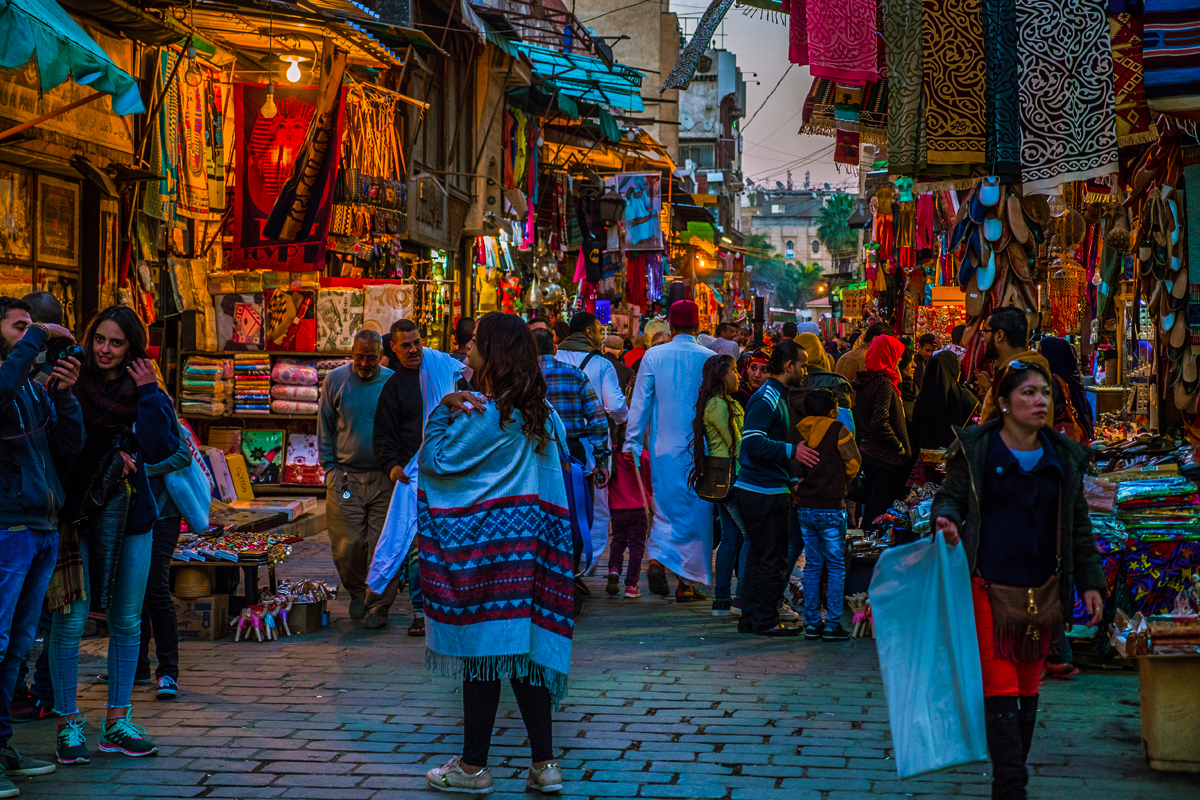
Nearby Khan el-Khalili is famous for its narrow streets, craft shops, and lively market atmosphere.
You can explore the history of the Khan el-Khalili Bazaar in Islamic Cairo before visiting.
Option 3: A Relaxed Evening
If you spent most of the day exploring the museum, simply have dinner and rest.
Cairo traffic can make combining distant locations exhausting, so choosing one additional neighborhood is usually more rewarding than attempting several.
Recommended approach: Treat the GEM as your main activity. Add a shorter city visit only if time, traffic, and energy permit.
Day 4: Visit Saqqara and Fly to Aswan
Destinations: Saqqara and Aswan | Overnight: Aswan | Travel day
Your fourth day connects two important chapters in Egypt’s history.
Begin with Saqqara, then travel to Cairo Airport for a domestic flight to Aswan.
Book a flight with enough margin for the archaeological visit, airport transfers, and airline check-in.
If the available flight schedules are inconvenient, move Saqqara to Day 3 or shorten the visit rather than rushing to the airport.
Why Visit Saqqara?
Saqqara was an important burial ground associated with the ancient city of Memphis.
Its archaeological landscape includes tombs, pyramids, funerary complexes, and monuments from different periods of Egyptian history.
The Step Pyramid of Djoser is especially significant.
Built during the Third Dynasty and associated with the architect Imhotep, it represents a major development in monumental stone construction.
The monument’s stepped form differs considerably from the smooth-sided pyramids built later at Giza.
Visiting Saqqara after Giza allows you to compare different stages of Egyptian pyramid architecture.
Explore the Saqqara Necropolis and the Step Pyramid of Djoser for additional context.
Should You Add Dahshur?
Dahshur is home to important pyramids associated with Pharaoh Sneferu, including the Bent Pyramid and Red Pyramid.
These structures help explain the architectural development that preceded Khufu’s Great Pyramid.
If you have an early start and a suitable flight later in the day, visiting Dahshur can be worthwhile.
However, do not attempt every major site in the Memphis necropolis if that leaves insufficient time for the airport.
Flight From Cairo to Aswan
A domestic flight is generally the most efficient option for this itinerary.
The flight itself is much shorter than the equivalent overland journey, although airport transfers, check-in, baggage collection, and delays must be included in your schedule.
On arrival in Aswan, transfer to your hotel.
Aswan offers a different atmosphere from Cairo. The Nile flows around islands and granite outcrops, and the pace of the city often feels more relaxed.
Spend the evening enjoying the riverfront or resting at your hotel.
Accommodation recommendation: Choose a hotel in central Aswan or a Nile-side property with convenient transportation arrangements.
Important: An early Abu Simbel departure on Day 5 makes a reasonable bedtime particularly valuable.
Day 5: Explore Abu Simbel and Experience Nubian Culture
Destinations: Abu Simbel and Aswan | Overnight: Aswan | Activity level: Moderate to demanding
Abu Simbel is among the most impressive archaeological sites in southern Egypt.
The two great rock-cut temples were commissioned by Ramesses II during the Nineteenth Dynasty.
The larger temple is associated with Ramesses II and major deities, while the smaller temple is dedicated to Hathor and Queen Nefertari.
The monumental seated statues at the entrance to the Great Temple are among the most recognizable images of ancient Egyptian architecture.
But Abu Simbel’s importance extends beyond its façade.
Why Is Abu Simbel Historically Important?
The temples demonstrate how royal power, religion, and monumental architecture were connected during the New Kingdom.
Their location in Nubia also reflects Egypt’s historical interests and influence in territories south of the Egyptian heartland.
In the twentieth century, construction of the Aswan High Dam threatened to submerge the original site.
A major international rescue project relocated the temples to higher ground.
Today, travelers can see both the ancient structures and the results of this remarkable conservation effort.
How Do You Get to Abu Simbel?
The most common options are an organized road excursion or an available flight.
The journey by road from Aswan is approximately three to four hours each way, depending on arrangements and conditions.
That means Abu Simbel can become a long day even though the temple visit itself may take only a few hours.
A typical road excursion involves an early departure, a morning visit, and a return to Aswan later in the day.
Travel times, departure permissions, and road arrangements should be confirmed locally.
What Should You Prioritize?
At the Great Temple, examine the colossal statues of Ramesses II before entering the decorated interior chambers.
Look at the royal and religious scenes illustrating the pharaoh’s relationship with the gods.
At the smaller temple, pay attention to the statues of Nefertari and the unusual prominence given to the queen.
Allow time to appreciate the surrounding landscape and the temples’ relationship to Lake Nasser.
Afternoon and Evening in Aswan
After returning, avoid scheduling another demanding archaeological tour.
A relaxing evening might include:
- A short walk along the Nile Corniche.
- Dinner at a restaurant overlooking the river.
- A visit to an accessible Nubian cultural venue.
- A carefully arranged visit to a Nubian community.
- Time at your hotel to recover from the early start.
Nubian culture has a history, language traditions, cuisine, and artistic heritage distinct from the simplified imagery often used in tourist advertising.
Choose experiences that support local residents and provide respectful cultural engagement.
If your schedule allows, you can explore the Nubian Museum in Aswan, which provides important historical and cultural context.
Practical advice: Abu Simbel is worthwhile for many first-time visitors, but the road journey is significant. Travelers with young children, limited stamina, or mobility concerns should assess the transportation arrangements carefully.
Day 6: Visit Philae Temple and Begin Your Nile Cruise
Destination: Aswan | Overnight: Nile cruise | Activity level: Moderate
Day 6 marks the beginning of one of the most memorable parts of your 14 day Egypt tour itinerary: traveling between Aswan and Luxor on the Nile.
The recommended option is a three-night cruise from Aswan to Luxor.
This direction follows the Nile downstream and works well with a trip that finishes on the Red Sea coast.
However, you must organize the surrounding itinerary around an actual confirmed cruise departure.
Explore Philae Temple
Philae Temple is one of Aswan’s most distinctive archaeological attractions.
Dedicated principally to the goddess Isis, the temple complex preserves architecture and religious traditions associated with Egypt’s later ancient periods.
The monuments originally stood on Philae Island but were relocated to nearby Agilkia Island during the international effort to protect Nubian monuments from rising water levels.
Visitors reach the temple complex by boat.
The approach across the water is an important part of the experience, allowing you to appreciate the relationship between the architecture and its island setting.
Inside, look for the temple’s monumental gateways, colonnades, courtyards, and reliefs.
The temple also illustrates the continuation and transformation of ancient religious practices during the Ptolemaic and Roman periods.
Learn more about the Temple of Isis at Philae in Aswan.
Board Your Nile Cruise
After sightseeing, transfer to your cruise boat according to the operator’s confirmed embarkation procedure.
A typical cruise offers:
- Accommodation in an onboard cabin.
- Meals according to the booked package.
- Scenic sailing through the Nile Valley.
- Visits to selected temples.
- Guided excursions, depending on inclusions.
- Time on the upper deck to enjoy the landscape.
A Nile cruise is not simply transportation between Aswan and Luxor.
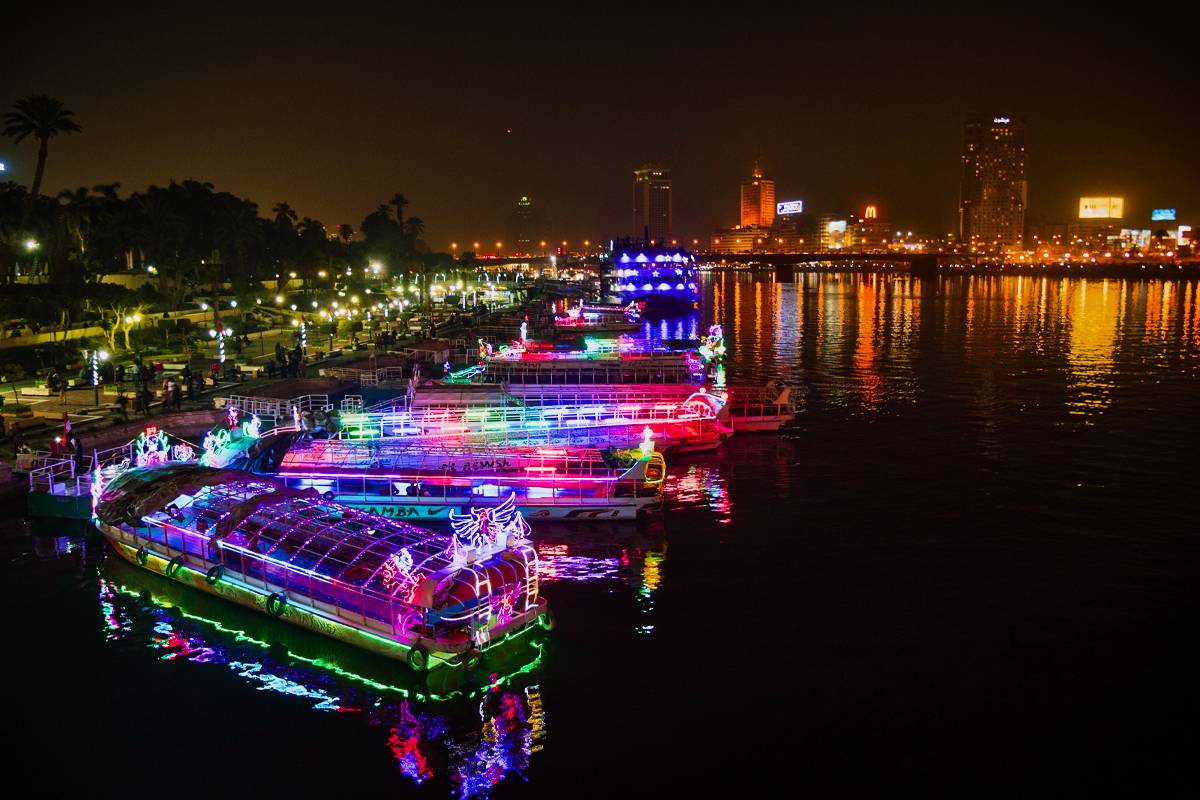
It provides a different perspective on the Nile Valley, where riverfront settlements, farmland, desert cliffs, and archaeological landscapes exist within a relatively narrow geographic corridor.
Unlike Cairo, much of this scenery is experienced at a gentle pace.
Choosing the Right Cruise
For this itinerary, a three-night cruise is usually more suitable than a four-night cruise because the extra days are reserved for Luxor and Hurghada.
Egypt Vacation Tours offers a four-day, three-night Nile cruise from Aswan to Luxor covering important temples and archaeological sites along the route.
Check the applicable departure calendar, onboard services, cabin category, sightseeing inclusions, and 2027 availability before confirming.
Important: Some cruises include Philae and other Aswan attractions as part of the embarkation-day program. If your cruise includes the temple visit, do not pay for the same excursion twice.
Day 7: Discover Kom Ombo and Edfu Temples Along the Nile
Destinations: Kom Ombo and Edfu | Overnight: Nile cruise | Activity level: Moderate
The second day of your Nile cruise introduces two temples that reveal important aspects of religious life during Egypt’s Ptolemaic and later periods.
Between visits, the river itself becomes part of the experience.
You may pass cultivated fields, small towns, riverside vegetation, and landscapes that illustrate the Nile’s continuing importance to Egyptian life.
Kom Ombo Temple: A Sanctuary Dedicated to Two Gods
Kom Ombo Temple stands beside the Nile north of Aswan.
It is unusual because its architectural arrangement reflects the worship of two principal gods: Sobek, associated with crocodiles, and Horus the Elder, represented with a falcon’s head.
The temple’s dual dedication is reflected in its symmetrical design.
Look carefully at the reliefs and inscriptions as your guide explains the temple’s religious functions and symbolism.
Kom Ombo is also a useful opportunity to learn about crocodile worship and the significance of animals in ancient Egyptian religious traditions.
Read about the Kom Ombo Temple of Sobek and Horus before your visit.
Edfu Temple: The Temple of Horus
Edfu is home to one of Egypt’s best-preserved ancient temples.
Its major surviving structures date primarily to the Ptolemaic period.
Dedicated to Horus, the temple contains monumental pylons, courtyards, halls, and decorated walls that help visitors understand how ancient Egyptian temples functioned.
The inscriptions also preserve information about religious rituals and mythological traditions.
Compared with the open archaeological landscape of Giza, Edfu offers an enclosed and architecturally coherent temple environment.
You can walk through a sequence of spaces that gradually becomes more restricted as you approach the sanctuary.
For historical context, explore the Temple of Horus at Edfu.
Sailing Toward Luxor
Depending on the boat’s itinerary, the cruise continues toward Esna and Luxor.
The route involves passing through the Esna area, where navigation conditions and lock operations can affect timing.
Do not schedule tightly timed independent appointments based solely on an advertised arrival hour.
Spend the remaining time enjoying the river, relaxing on deck, or learning more about the historical sites you have visited.
Travel tip: Pack a smaller day bag for temple visits containing water, sun protection, comfortable shoes, and any medication you might need. Keep valuables secured rather than leaving them unattended on the upper deck.
Days 8–14: Luxor’s Ancient Monuments and the Red Sea
Day 8: Arrive in Luxor and Explore Ancient Thebes
Destination: Luxor | Overnight: Nile cruise | Activity level: Moderate to high
As your Nile cruise approaches Luxor, the archaeological significance of the journey becomes even more apparent.
Luxor occupies the site of ancient Thebes, one of the most important religious and political centers of ancient Egypt.
During the New Kingdom, Thebes became associated with powerful pharaohs, monumental temples, and elaborate royal burial traditions.
The modern city sits beside a remarkable archaeological landscape divided by the Nile.
The East Bank is associated particularly with major temples and the living city, while the West Bank contains extensive royal and non-royal funerary monuments.
Many three-night Nile cruise programs include major East Bank and West Bank visits during the final full day.
The precise order depends on the operator.
Karnak Temple Complex
Karnak was developed over many centuries by successive Egyptian rulers.
The complex is closely associated with the worship of Amun-Ra and the religious importance of ancient Thebes.
Its famous Great Hypostyle Hall contains enormous sandstone columns arranged in an extraordinary architectural space.
As you explore, consider how the temple was expanded and modified over generations.
Different rulers contributed pylons, courts, statues, obelisks, and ceremonial spaces.
This makes Karnak more than a monument from a single reign. It is an architectural record of changing royal priorities and religious traditions.
Luxor Temple
Luxor Temple occupies a prominent position within the modern city.
Its surviving structures are associated especially with Amenhotep III and Ramesses II, although the site reflects multiple periods of use.
The temple was linked to Karnak through a ceremonial processional route commonly called the Avenue of Sphinxes.
Its architecture and location reveal how religious rituals were integrated into the urban and ceremonial life of ancient Thebes.
If your cruise includes an evening visit, the illuminated temple can provide an entirely different impression from the daytime experience.
Learn more about the history of Luxor Temple.
What About the West Bank?
Depending on the cruise package, you may also visit the Valley of the Kings and the Temple of Hatshepsut today.
These are major highlights, but trying to see every Luxor monument during one tightly scheduled excursion can be tiring.
The advantage of this itinerary is that you have two additional nights in Luxor after leaving the cruise.
This allows you to divide the archaeological visits more comfortably.
Recommended approach: Follow the cruise’s included sightseeing program today. Use Days 9 and 10 for attractions not already covered, rather than automatically repeating the same sites.
Day 9: Explore the Valley of the Kings and Luxor’s West Bank
Destination: Luxor West Bank | Overnight: Luxor | Suggested sightseeing: 4–7 hours
After breakfast, disembark from your Nile cruise and continue exploring Luxor.
If your cruise already included the Valley of the Kings and Hatshepsut Temple, use today for additional West Bank monuments.
If those attractions were not included, make them your priority.
Valley of the Kings
The Valley of the Kings is one of the world’s most important royal burial grounds.
Located on Luxor’s West Bank, it contains tombs associated primarily with rulers of Egypt’s New Kingdom.
Unlike the enormous pyramids of the Old Kingdom, many New Kingdom pharaohs were buried in tombs cut into the desert landscape.
The tomb interiors preserve religious texts, symbolic imagery, and scenes connected with the pharaoh’s journey into the afterlife.
Some chambers feature exceptionally elaborate decoration.
The best-known discovery is the tomb of Tutankhamun, found in 1922.
However, the most visually impressive tombs are not necessarily the most famous.
Which Tombs Should You Visit?
The available tombs and ticket categories may vary.
Some tombs are included in a standard admission ticket, while others require separate purchases.
Rather than selecting tombs only by fame, compare their decoration, historical importance, accessibility, and additional entry costs.
If seeing Tutankhamun’s tomb is a personal priority, verify that its separate admission and access arrangements are included in your plan.
You can prepare for the visit by reading about the Valley of the Kings in Luxor.
Temple of Queen Hatshepsut
The Mortuary Temple of Hatshepsut stands against the dramatic cliffs of Deir el-Bahari.
Hatshepsut ruled during the Eighteenth Dynasty and is among ancient Egypt’s best-known female pharaohs.
The temple’s terraced architecture is strikingly different from the enclosed monumental temples at Karnak and Edfu.
Its reliefs include scenes connected with the queen’s reign, religious traditions, and the famous expedition to Punt.
The building’s relationship with the surrounding limestone cliffs is particularly impressive.
Learn more about the Mortuary Temple of Hatshepsut at Deir el-Bahari.
Colossi of Memnon
The Colossi of Memnon are two enormous seated statues associated with the mortuary temple of Amenhotep III.
They stand near the entrance to the wider West Bank archaeological landscape.
A short stop provides an opportunity to appreciate their scale and understand their relationship to the original temple complex.
Alternative West Bank Attractions
If you have already visited the main monuments, consider:
Medinet Habu: An impressive temple complex closely associated with Ramesses III, known for its architecture and extensive relief decoration.
Deir el-Medina: The settlement associated with the artisans who built and decorated royal tombs. It offers a different perspective on the lives of people who worked within the royal burial system.
The Ramesseum: The mortuary temple of Ramesses II, where surviving architecture and sculpture reveal the scale of royal commemorative projects.
Valley of the Queens: A burial ground containing royal tombs, including the celebrated tomb of Queen Nefertari, subject to separate access arrangements.
Avoid booking every option for a single afternoon. Two or three carefully selected sites generally provide a better experience.
Evening in Luxor
Check into your hotel and spend the evening relaxing.
A walk near the Nile or dinner at a restaurant overlooking the river can be a welcome contrast to the archaeological intensity of the day.
Day 10: Hot Air Balloon Ride, Luxor Museum and Hidden Historical Details
Destination: Luxor | Overnight: Luxor | Activity level: Flexible
Day 10 is intentionally less structured.
After exploring so many major archaeological sites, travelers often appreciate having time for an experience that is not dominated by a strict sightseeing schedule.
Luxor provides several excellent possibilities.
Optional Sunrise Hot Air Balloon Ride
A sunrise balloon flight over Luxor’s West Bank can offer sweeping views of the Nile Valley, agricultural fields, and surrounding desert landscape.
Flights are generally scheduled around sunrise and depend on weather conditions and operational authorization.
Ballooning is an optional activity, not an essential part of every Egypt itinerary.
Before booking, check the operator’s authorization, insurance arrangements, cancellation policy, weather procedures, and applicable safety information.
Do not choose a balloon excursion solely because it offers the lowest price.
Travelers who prefer to remain on the ground can enjoy a relaxed breakfast or begin sightseeing later.
Visit Luxor Museum
Luxor Museum is a worthwhile addition for travelers who enjoy archaeology and want to understand important discoveries from the Theban region.
Compared with the extensive collections of the Grand Egyptian Museum, it provides a more focused experience.
Its displays offer context for the temples and royal monuments you have been exploring.
Allow sufficient time to appreciate individual artifacts rather than treating the museum as a quick stop between attractions.
Explore Karnak More Thoroughly
If your cruise program included only a brief visit to Karnak, consider returning for a more detailed exploration.
The temple complex contains far more than its famous Hypostyle Hall.
A longer visit helps reveal relationships between different architectural phases and the ceremonial importance of the site.
You might also explore a different section of Luxor’s East Bank or visit the city’s market areas.
Enjoy a Felucca Experience
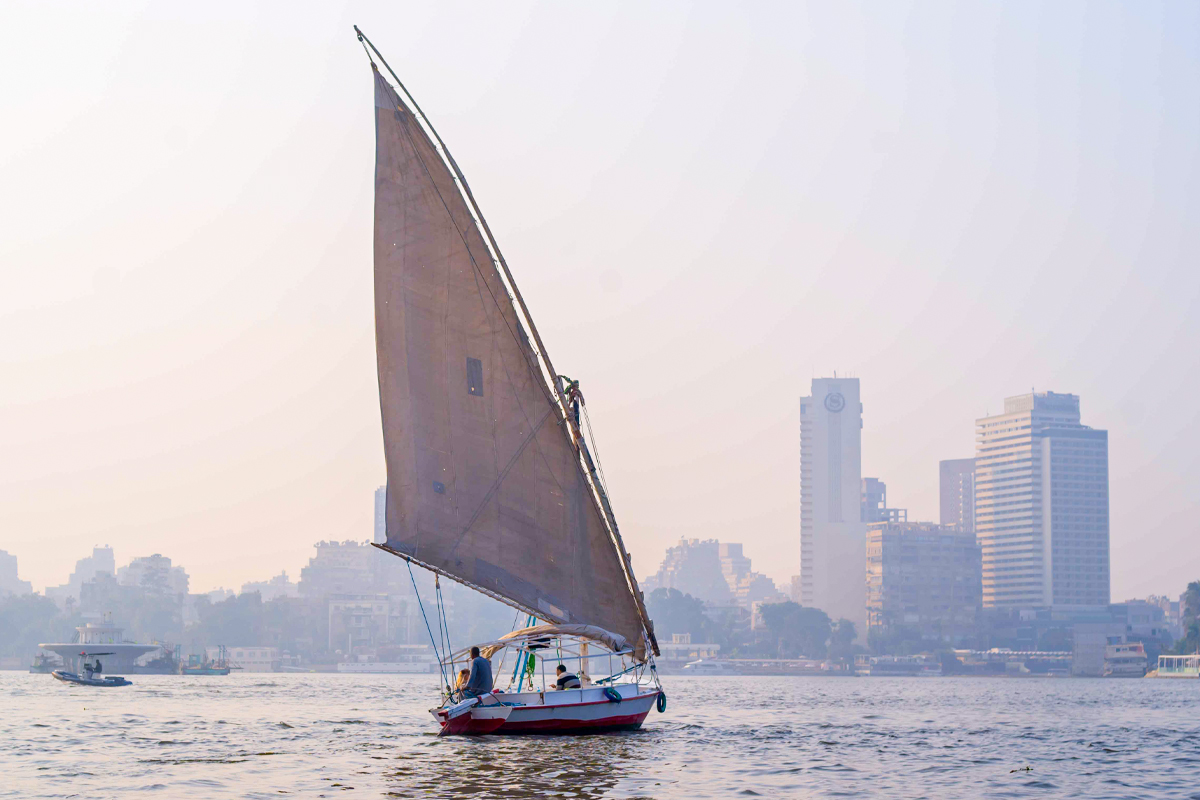
A felucca is a traditional sailing boat used on the Nile.
A short sail can offer a quiet way to experience Luxor from the water.
The activity is particularly appealing to visitors who want to spend time outdoors without undertaking another full archaeological excursion.
As with other boat activities, agree on the price, duration, and route beforehand, and ensure appropriate safety arrangements.
Best use of Day 10: Choose one major optional experience and leave the remainder of the day flexible.
This additional time in Luxor is one of the reasons a 14-day Egypt itinerary can be more satisfying than a shorter tour.
Day 11: Travel From Luxor to Hurghada on the Red Sea
Destinations: Luxor and Hurghada | Overnight: Hurghada | Transfer day
Today, the journey changes from archaeological exploration to coastal relaxation.
After breakfast, travel east from Luxor across the Eastern Desert toward Hurghada.
The road journey is approximately four to five hours under typical conditions, although stops, checkpoints, traffic, and hotel locations can increase the total time.
A private transfer is a convenient option, particularly for couples, families, and travelers with substantial luggage.
The desert landscape creates a striking contrast with the cultivated Nile Valley.
As you approach the Red Sea coast, the scenery changes again, revealing mountain landscapes, coastal settlements, and resort developments.
Why Finish Your Egypt Trip in Hurghada?
Hurghada is a major resort destination on Egypt’s Red Sea coast.
Its main appeal is not ancient monuments but access to beaches, marine activities, and a more relaxed holiday environment.
After several days of walking through temples, museums, and archaeological sites, the coastal setting provides a valuable change of pace.
The Red Sea is known for its coral reef ecosystems and marine biodiversity.
Travelers can enjoy snorkeling, diving, boat excursions, and time at coastal resorts.
Choose the Right Accommodation
Hurghada offers different accommodation styles.
All-inclusive resorts: Convenient for travelers who want meals, swimming pools, beaches, and resort activities in one location.
Beach hotels: Suitable for visitors who prefer more flexibility with restaurants and excursions.
Family resorts: Often provide children’s pools, organized activities, and family-oriented accommodation.
Upscale resorts: May offer quieter surroundings, additional services, and more private beach environments.
Your accommodation choice should reflect how you intend to spend the final three days.
If you primarily want relaxation, choosing a hotel with good beach access may be more important than being close to central Hurghada.
Afternoon Activities
Once you arrive, check into your hotel and enjoy the rest of the day at your own pace.
Swimming, a relaxed lunch, or time beside the sea is enough.
Avoid scheduling a complicated excursion immediately after the road transfer.
Important departure consideration: Hurghada International Airport serves domestic and international routes, but flight availability varies by airline, season, and destination. Confirm your return routing before deciding to end the journey here.
Day 12: Snorkel or Dive in the Red Sea
Destination: Hurghada | Overnight: Hurghada | Activity level: Optional
A full day on the Red Sea gives you an opportunity to experience a completely different aspect of Egypt.
The country is famous for ancient history, but its marine environments are another important reason travelers visit.
Depending on your interests, you can choose a snorkeling excursion, a diving experience, or a relaxing beach day.
Red Sea Snorkeling
Snorkeling excursions typically visit selected marine locations accessible by boat.
The experience may include opportunities to observe reef fish, coral formations, and other marine life.
Visibility and conditions vary with weather, sea state, and location.
Choose an operator that provides appropriate safety equipment, supervision, and clear instructions.
Responsible snorkeling practices are essential.
Do not stand on coral, touch marine animals, remove objects from the reef, or feed fish.
Reef environments can be damaged by careless contact even when the damage is not immediately visible.
Scuba Diving
Hurghada is a popular destination for recreational diving.
Experiences range from introductory activities to excursions for certified divers.
If you are not certified, select a properly supervised introductory program operated by a qualified provider.
Certified divers should communicate their qualifications, experience, recent diving history, and relevant medical information to the dive center.
All participants should follow the operator’s safety procedures.
Do You Need to Book a Boat Tour?
Not necessarily.
If your hotel provides suitable access to a beach or swimming area, you can spend the day enjoying the coastal setting.
Families with younger children or travelers seeking rest may prefer a less structured day.
A boat excursion is worthwhile when it adds a specific experience you cannot enjoy from your accommodation.
Recommended evening: Enjoy dinner at your resort or explore a suitable restaurant in Hurghada.
Day 13: Relax on the Beach or Discover More of the Red Sea
Destination: Hurghada | Overnight: Hurghada | Activity level: Light
Your final full day in Egypt should be flexible.
After nearly two weeks of museums, temples, river journeys, and transfers, a slower day can make the overall holiday more enjoyable.
Travelers often underestimate the benefit of leaving some time unplanned.
You could spend the day beside the sea, enjoy your hotel’s facilities, or select one additional coastal experience.
Option 1: A Complete Beach Day
Choose this if your priority is rest.
Enjoy swimming, reading, walking along the shore, or simply relaxing.
There is no need to add another excursion to justify spending an extra day in Egypt.
Option 2: Another Marine Excursion
If you particularly enjoyed snorkeling or diving, consider exploring a different site with an appropriately qualified operator.
Do not assume that every reef offers the same experience or that marine-life sightings are guaranteed.
For divers, plan your last dive in accordance with recognized guidance on flying after diving.
Do not schedule a dive so close to your international flight that the recommended surface interval cannot be met.
Option 3: Explore Hurghada
Depending on your resort location and interests, you can visit local shops, marina areas, or other accessible parts of the city.
Check transportation arrangements before leaving the hotel.
Option 4: Upgrade Your Accommodation Experience
Some travelers prefer to spend their final evening at a hotel with additional facilities or a particularly scenic setting.
If you change properties, balance the benefits against the inconvenience of repacking and transferring.
Prepare for Departure
Before the evening ends, confirm:
- Flight departure time and terminal.
- Airport transfer arrangements.
- Baggage allowance.
- Passport and boarding documentation.
- Hotel checkout procedure.
- Any domestic-to-international connection requirements.
If your international departure is from Cairo rather than Hurghada, consider whether returning to Cairo today and staying near the airport would be more practical.
This is particularly important when your onward flight departs early in the morning.
Day 14: Departure From Egypt
Destination: Hurghada or Cairo | Overnight: Not applicable
Your 14-day journey concludes with your departure from Egypt.
The ideal arrangement is an international flight directly from Hurghada if a suitable service is available to your destination.
Otherwise, you may need a domestic connection through Cairo or another airport.
Allow appropriate connection time, particularly if your domestic and international flights are booked on separate tickets.
Separate bookings may not provide protection if a delay causes you to miss the second flight.
When the connection is uncertain, spending the final night in Cairo can be a sensible alternative to keeping all three Red Sea nights.
What Have You Experienced in Two Weeks?
By the end of this itinerary, you will have explored several distinct historical and geographical environments.
In Cairo, you encountered the monumental achievements of Egypt’s Old Kingdom and major museum collections.
In Aswan, you discovered the history of Nubia, the temples of Philae and Abu Simbel, and the landscapes of the southern Nile Valley.
Between Aswan and Luxor, you experienced temple complexes associated with later periods of Egyptian civilization.
In Luxor, you explored the monumental religious architecture and royal tomb traditions of ancient Thebes.
Finally, Hurghada offered an opportunity to experience Egypt’s Red Sea coast.
This combination provides a broad introduction to Egypt without requiring every possible destination to fit into one journey.
How to Travel Around Egypt During a 14-Day Trip
Transportation planning makes a substantial difference to the quality of your holiday.
Egypt’s main tourist destinations are spread across a large geographic area.
The distances between Cairo, Aswan, Luxor, and the Red Sea mean that choosing the right transport method is often more important than adding another attraction.
Recommended Transportation Plan
| Route | Recommended Transport | Planning Consideration |
| Cairo Airport → Hotel | Private transfer or authorized transport | Traffic and airport location |
| Cairo → Giza / Saqqara | Private car or guided transport | Traffic and multiple stops |
| Cairo → Aswan | Domestic flight | Flight availability and baggage |
| Aswan → Abu Simbel → Aswan | Organized road transfer or available flight | Long round trip |
| Aswan → Luxor | Three-night Nile cruise | Fixed departure dates |
| Luxor → Hurghada | Private road transfer | Approximately 4–5 hours |
| Hurghada → International departure | Direct flight or connecting service | Airline schedules and connection time |
These durations are planning guidelines, not guaranteed journey times.
Are Domestic Flights Worth It?
For a 14-day itinerary, a domestic flight from Cairo to Aswan can save considerable travel time.
The alternative usually involves a much longer train or road journey.
A train can be appealing to visitors who enjoy overland travel, but it requires additional time and careful scheduling.
When planning a first visit, it is worth comparing the entire journey rather than the transport ticket alone.
Consider:
- Hotel-to-station or hotel-to-airport transfers.
- Check-in and waiting time.
- Luggage handling.
- Total travel duration.
- Personal comfort.
- Whether the journey replaces a sightseeing day.
For travelers with only two weeks available, a combination of one domestic flight, a Nile cruise, and selected private transfers is often practical.
Can You Travel Independently?
Yes, independent travel is possible in Egypt.
However, organizing a complex itinerary requires coordination between domestic flights, accommodation, cruise departures, entrance tickets, and transfers.
A private guide can be particularly valuable at archaeological sites where historical context greatly improves the experience.
You do not necessarily need a guide for every activity.
A hybrid approach can work well: guided visits to major monuments, independent time in cities, and organized transfers for longer journeys.
How Many Nights Should You Spend in Each Egyptian Destination?
A useful way to evaluate any Egypt itinerary is to count nights rather than simply naming destinations.
A 14-day trip normally includes 13 nights if you arrive on Day 1 and depart on Day 14.
Some advertised tour packages use different counting conventions, so always check the actual accommodation allocation.
| Destination | Recommended Nights | Main Reason |
| Cairo / Giza | 3 | Pyramids, museums, historic Cairo, Saqqara |
| Aswan | 2 | Abu Simbel, Philae, Nubian experiences |
| Nile cruise | 3 | Kom Ombo, Edfu and river sailing |
| Luxor | 2 | Temples, tombs and optional experiences |
| Hurghada | 3 | Beach relaxation and marine activities |
| Total | 13 | 14 days including arrival and departure |
This allocation provides a comfortable framework for many travelers.
However, the best distribution can change with the season, flight schedule, cruise availability, and personal interests.
For example, serious archaeology enthusiasts might reduce their Red Sea stay to two nights and add another day in Luxor.
Families traveling with young children may prefer more beach time and fewer temple visits.
Where Should You Stay During Two Weeks in Egypt?
Accommodation quality can significantly affect your experience, particularly during a multi-destination journey.
Instead of choosing hotels solely by their star ratings, evaluate location, transportation, accessibility, comfort, and the purpose of each stop.
Cairo: Location and Convenience
In Cairo, consider whether your priorities are archaeological sightseeing, city exploration, or airport access.
Hotels around Giza may provide convenient access to the pyramids and the Grand Egyptian Museum.
Central Cairo offers easier access to certain museums, neighborhoods, restaurants, and cultural experiences.
However, Cairo traffic can make travel times unpredictable.
A hotel that appears centrally located on a map is not necessarily close to every major attraction.
Aswan: Nile Views and Relaxation
Aswan hotels offer a range of settings, from central locations near the Corniche to island properties and riverside accommodation.
A hotel overlooking the Nile can be particularly appealing after the long Abu Simbel excursion.
However, check whether boat transfers are required and whether the property is convenient for your scheduled cruise embarkation.
Nile Cruise: Cabin Quality Matters
Cruise quality varies considerably.
When comparing options, consider:
- Cabin size and location.
- Window or balcony arrangement.
- Noise and vibration.
- Vessel condition.
- Meal quality and dietary arrangements.
- Included excursions.
- Onboard facilities.
- Guide arrangements.
- Additional charges.
A more expensive cruise is not automatically the best choice for every traveler.
What matters is whether the boat provides the comfort and itinerary you expect.
Be careful when interpreting cruise advertisements. A three-night cruise generally means three nights on board and four calendar days associated with the cruise program.
Luxor: East Bank or West Bank?
Luxor’s East Bank is convenient for many hotels, restaurants, and major temple attractions.
The West Bank offers quieter accommodation options and easier access to several archaeological sites.
Both can work well.
Choose according to your sightseeing plan, preferred atmosphere, transportation arrangements, and comfort requirements.
Hurghada: Prioritize the Beach Experience
For the Red Sea portion of the trip, the hotel may be the destination itself.
Check whether the property has a sandy swimming beach, a jetty, reef access, or restrictions associated with local marine conditions.
Families should verify children’s facilities and suitable swimming areas.
Divers may prioritize proximity to a reputable dive center, while travelers seeking quiet relaxation may prefer a less central resort.
How Much Does a 14 Day Egypt Itinerary Cost in 2027?
The cost of 14 days in Egypt depends heavily on accommodation standards, cruise category, group size, season, transportation choices, and the level of private guiding.
There is no single reliable price that applies to every 2027 itinerary.
A couple sharing hotel rooms and private transfers will have a different cost structure from a solo traveler, a family of five, or a luxury traveler booking premium accommodation and private excursions.
Budget, Mid-Range and Luxury Travel Compared
| Travel Style | Accommodation | Transport | Experience |
| Budget | Guesthouses, simpler hotels and value-oriented cruise cabins | Shared services, selective private transfers | Prioritizes essential attractions |
| Mid-range | Comfortable hotels and a well-reviewed Nile cruise | Domestic flight, organized transfers, guided major sites | Balance of comfort and cost |
| Luxury | Upscale hotels, premium river vessel and superior resort accommodation | Private transfers and tailored arrangements | Greater privacy and flexibility |
Published two-week Egypt travel estimates from 2026 differ considerably, reflecting the range of travel styles and package inclusions. They should be used only as preliminary benchmarks rather than confirmed 2027 prices.
For a realistic quotation, request itemized costs based on your actual travel dates.
What Are the Main Expenses?
International Flights
Airfare varies significantly by departure country, booking date, season, and airline.
Flights from the United States, Canada, Australia, and Europe can have very different pricing structures.
Compare direct and connecting services, baggage policies, and whether your itinerary can end in Hurghada.
Domestic Transportation
The Cairo-to-Aswan flight and Luxor-to-Hurghada transfer are important components of this itinerary.
Private transportation generally provides more convenience, while shared alternatives may reduce costs.
Hotels
Thirteen nights of accommodation will form a major part of your budget.
Hotel prices can increase during popular travel periods, particularly around major holidays.
Nile Cruise
Cruise pricing depends on the boat, cabin category, sailing date, included meals, sightseeing program, and group size.
Always clarify whether entrance tickets and guides are included.
Archaeological Entrance Fees
Egypt’s major monuments and museums have different admission arrangements.
Some sites require additional tickets for special tombs, pyramid interiors, or specific experiences.
These costs can become substantial when visiting many attractions.
Check the applicable 2027 fees before your visit.
Optional Activities
Hot air balloon flights, diving excursions, upgraded tomb visits, private boat trips, and special experiences may increase your budget.
Meals and Personal Spending
Restaurant choices, beverages, souvenirs, and shopping expenses vary by traveler.
If your Nile cruise or resort includes meals, make sure you understand exactly which meals and drinks are covered.
Tips
Tipping, commonly called baksheesh, is part of many service interactions in Egypt.
Practices vary according to the service and circumstances.
When booking an organized tour, ask which gratuities are included and which remain discretionary.
How to Compare Two Egypt Tour Quotes
Before choosing a package, make sure both proposals include the same services.
A lower headline price may exclude important expenses.
Ask each operator to confirm:
- All 13 accommodation nights and exact room categories.
- Domestic flights and baggage allowances.
- Cruise vessel name, departure date, and cabin category.
- Entrance tickets to scheduled sites.
- Additional tomb and pyramid interior tickets.
- Private or shared transport.
- Guide qualifications and guiding language.
- Meals, drinks, and dietary arrangements.
- Airport transfers.
- Optional activities and gratuities.
- Cancellation terms and payment conditions.
Practical recommendation: Compare the total cost of delivering the same itinerary, not simply the advertised package price.
What Is the Best Time for a 14 Day Egypt Itinerary in 2027?
Egypt can be visited throughout the year, but seasonal conditions strongly affect the comfort of outdoor sightseeing.
The difference is particularly noticeable in Luxor, Aswan, and Abu Simbel, where summer temperatures can be extremely high.
Egypt’s Seasons Compared
| Period | Typical Travel Conditions | Main Consideration |
| January–February | Mild to pleasant daytime conditions in many sightseeing areas | Cooler evenings and popular winter travel |
| March–April | Warmer weather, often favorable for combined itineraries | Occasional dusty winds |
| May–June | Increasing heat, especially in Upper Egypt | Early sightseeing becomes important |
| July–August | Very hot in many inland destinations | Heat exposure and physical comfort |
| September–October | Gradual transition toward milder conditions | September can remain hot |
| November–December | Generally favorable for major archaeological visits | High demand during some holiday periods |
October to April: A Popular Choice
For travelers whose main interests are the pyramids, temples, and royal tombs, the cooler part of the year is generally more comfortable.
Walking through open archaeological sites is easier when temperatures are moderate.
However, popular attractions can be busy, and accommodation prices may be higher during certain periods.
May to September: Plan Around the Heat
Summer travel is possible, but the itinerary should be adjusted.
Schedule major outdoor attractions early in the morning.
Use air-conditioned transport where available, carry sufficient water, and avoid unnecessary exposure during the hottest part of the day.
Some travelers may prefer to reduce intensive sightseeing and spend more time on the coast.
What About the Red Sea?
Hurghada remains a major holiday destination throughout the year.
However, water temperatures, wind, and swimming conditions vary by season.
In winter, cooler air and wind can affect the comfort of boat excursions or swimming, especially for travelers expecting consistently hot beach weather.
Your ideal season depends on whether archaeological sightseeing or warm-water recreation is the higher priority.
For further seasonal planning, explore the best time to visit Egypt.
Alternative 14-Day Egypt Itineraries for Different Travel Styles
The perfect 14 days Egypt itinerary is not necessarily identical for everyone.
Some travelers want to focus on archaeology. Others prefer beaches, family activities, independent travel, or a combination of Egypt and Jordan.
The best alternative should reflect your main interests rather than simply include more destinations.
Option 1: A History-Focused 14-Day Egypt Itinerary
Travelers with a strong interest in ancient Egyptian history may prefer to replace the Red Sea portion with additional time in Cairo, Luxor, and the Nile Valley.
A suggested allocation is:
| Destination | Nights |
| Cairo and Giza | 4 |
| Aswan | 2 |
| Nile cruise | 3 |
| Luxor | 3 |
| Final night in Cairo | 1 |
| Total | 13 |
This version allows more time for Saqqara, Dahshur, museum visits, and archaeological sites beyond the most famous monuments.
In Luxor, additional days can be devoted to Medinet Habu, Deir el-Medina, the Ramesseum, or excursions to Dendera and Abydos.
Dendera is especially notable for the Temple of Hathor, while Abydos preserves important monuments connected with ancient Egyptian religion and royal history.
These visits require additional transportation and should be arranged as realistic day excursions rather than treated as quick stops.
This itinerary is best for archaeology enthusiasts, photographers, repeat visitors, and travelers who prefer cultural depth to beach relaxation.
Option 2: Egypt With Alexandria
Alexandria adds a Mediterranean dimension to a two-week Egypt trip.
The city was founded during the reign of Alexander the Great and became an important center of learning, commerce, and culture during the Hellenistic period.
Its modern identity reflects multiple historical influences.
Important attractions include the Catacombs of Kom el-Shoqafa, the Citadel of Qaitbay, and the Bibliotheca Alexandrina.
To add Alexandria without creating an exhausting itinerary, replace one or two days elsewhere rather than attempting to fit it between tightly scheduled Nile cruise excursions.
One approach is to shorten the Hurghada stay and add a night in Alexandria before flying south to Aswan.
Another is to skip the Red Sea entirely and spend more time in Cairo and Alexandria.
You can explore the history and major attractions of Alexandria before deciding.
Best for: Travelers interested in Mediterranean history, urban culture, museums, and Egypt beyond its Pharaonic heritage.
Option 3: Egypt and Jordan Itinerary for 14 Days
An Egypt and Jordan itinerary of 14 days is possible, but it should be treated as a separate two-country trip rather than an addition to the complete itinerary above.
Trying to include Cairo, Aswan, a full Nile cruise, Luxor, several Red Sea nights, Petra, Wadi Rum, and the Dead Sea in 14 days would leave very little time for unexpected delays or meaningful exploration.
A better solution is to divide the trip between the two countries.
Suggested 14-Day Egypt and Jordan Itinerary
| Day | Country | Recommended Experience |
| 1 | Egypt | Arrive in Cairo |
| 2 | Egypt | Giza Pyramids and Great Sphinx |
| 3 | Egypt | Grand Egyptian Museum and Cairo |
| 4 | Egypt | Fly to Aswan; explore the Nile |
| 5 | Egypt | Abu Simbel and Aswan |
| 6 | Egypt | Begin three-night Nile cruise |
| 7 | Egypt | Kom Ombo and Edfu |
| 8 | Egypt | Luxor monuments and final cruise night |
| 9 | Egypt → Jordan | Disembark and travel to Jordan via confirmed flight connections |
| 10 | Jordan | Petra archaeological site |
| 11 | Jordan | Additional Petra exploration and Wadi Rum transfer |
| 12 | Jordan | Wadi Rum desert experience |
| 13 | Jordan | Dead Sea or Amman |
| 14 | Jordan | International departure |
This example requires careful scheduling of flights from Egypt to Jordan. Depending on available connections, you may need to reallocate sightseeing or overnight stops.
Petra: Jordan’s Most Famous Archaeological Attraction
Petra was a major center of the Nabataean Kingdom and is known for its monumental rock-cut architecture.
Its most famous structure, Al-Khazneh or the Treasury, is approached through the Siq, a dramatic natural passage through sandstone formations.
However, Petra extends far beyond the Treasury.
Travelers interested in archaeology should consider spending at least one substantial day there, with an additional day for more extensive exploration if their schedule permits.
Egypt Vacation Tours also provides information about Petra, Jordan’s ancient rose-red city.
Wadi Rum and the Dead Sea
Wadi Rum offers desert landscapes, sandstone formations, and opportunities for guided outdoor activities.
The Dead Sea is associated with its exceptionally saline water and distinctive low-elevation landscape.
These destinations provide a contrast to Egypt’s Nile Valley and Jordan’s archaeological monuments.
Should You Travel Between Egypt and Jordan by Land?
For many international visitors, air travel is more straightforward than complex land and maritime routes.
Border procedures, ferry availability, entry requirements, and regional security conditions require careful verification.
Do not assume that a border crossing or ferry connection will operate as expected on your chosen date.
For 2027 planning, check current official government travel advice, airline schedules, and entry requirements for both countries before booking non-refundable travel.
Best for: Travelers who want a two-country archaeological and cultural holiday.
Not ideal for: Visitors who want the full Nile cruise, extended Luxor exploration, and several beach days in one 14-day trip.
Option 4: A Family-Friendly Two-Week Egypt Itinerary
Families with children may benefit from a slower pace.
The main challenge is not the number of attractions but the length and intensity of sightseeing days.
Large archaeological sites can require considerable walking, while some tombs and pyramid interiors involve narrow passages, stairs, or hot enclosed spaces.
To make the itinerary more comfortable:
- Keep arrival day free from major sightseeing.
- Split Cairo’s attractions across several days.
- Select a small number of important tombs rather than visiting as many as possible.
- Choose a cruise with family-suitable facilities.
- Schedule outdoor sightseeing early in warm weather.
- Include swimming pools and relaxation time.
- Reduce consecutive early-morning departures.
- Choose a Red Sea resort with appropriate family facilities.
If your children enjoy ancient history, Egypt can be a memorable educational destination.
The pyramids, museum collections, temples, and hieroglyphic inscriptions provide opportunities to connect classroom learning with surviving archaeological evidence.
However, a successful family holiday should include experiences that are enjoyable beyond historical sightseeing.
Option 5: A Luxury 14-Day Egypt Tour
Luxury travelers may prefer fewer hotel changes, more personalized guiding, and upgraded transport.
The route can remain largely the same, but the experience may include:
- Premium hotels in Cairo and Aswan.
- Private Egyptologist-guided sightseeing.
- A higher-category Nile cruise or a suitable dahabiya sailing.
- Private airport and road transfers.
- Flexible sightseeing arrangements.
- Carefully selected restaurants and experiences.
- Additional time at major archaeological sites.
A dahabiya is a smaller traditional-style sailing vessel that can provide a different river experience from larger cruise ships.
However, dahabiya routes, sailing durations, embarkation points, and stops vary.
A dahabiya journey should not automatically be treated as interchangeable with a standard three-night Aswan-to-Luxor cruise.
The entire itinerary may need adjustment to accommodate the chosen vessel.
What Should You Know Before Traveling to Egypt in 2027?
Practical preparation is essential for a smooth two-week holiday.
Visa requirements, attraction entry procedures, transportation schedules, and regional travel advisories can change.
Confirm the requirements that apply to your nationality and planned travel dates.
Passport and Visa Requirements
Many international visitors require a visa to enter Egypt.
Eligible travelers may be able to apply for an electronic tourist visa before departure. Certain nationalities may also have visa-on-arrival options, subject to the applicable rules.
Egypt’s official e-Visa guidance states that passports should be valid for at least six months from arrival.
Travelers should also be prepared to provide relevant travel and accommodation information when required.
However, eligibility and procedures differ by nationality, passport type, and circumstances.
Visitors from the United States, United Kingdom, Canada, Australia, and European countries should individually verify their entry requirements before traveling.
Do not rely solely on older travel blogs when planning a 2027 visit.
Entry Tickets and Attraction Reservations
Certain attractions have separate ticket categories for different experiences.
Examples may include pyramid interiors, special royal tombs, and selected museum experiences.
The Grand Egyptian Museum requires particular attention because its booking arrangements include timed admission.
Reserve important experiences sufficiently in advance, especially when traveling during busy periods.
For each ticket, confirm:
- Date and time of admission.
- Included galleries or attractions.
- Additional entry restrictions.
- Cancellation or amendment terms.
- Photography rules.
- Whether a guide is permitted or included.
Safety and Travel Advisories
Egypt welcomes international tourism, but travel conditions and official government advisories can change.
Different regions may have different security considerations.
A trip following established tourist routes through Cairo, Aswan, Luxor, and Hurghada should not be assessed in the same way as an expedition to remote border areas.
Before your journey, review your government’s current advice, particularly any regional restrictions or insurance implications.
Use reputable transportation providers and follow local guidance for excursions, road journeys, and marine activities.
Travel Insurance
Comprehensive travel insurance is strongly recommended.
Check that your policy covers the actual activities you plan to undertake.
Standard insurance may not automatically cover every form of adventure tourism, diving, ballooning, or higher-risk activity.
Also review the medical, cancellation, baggage, and travel-disruption provisions.
Money and Payments
The official currency is the Egyptian pound.
Cards are useful at many hotels and larger tourism businesses, but carrying some local cash remains practical.
Smaller establishments, incidental purchases, and certain service situations may require cash.
Confirm the accepted payment methods for entrance tickets and special experiences before arrival.
Avoid exchanging significant sums without checking current exchange rates and applicable fees.
Mobile Internet and Communication
Reliable internet access helps with navigation, booking details, transportation coordination, and communication.
International travelers can consider roaming packages, a local SIM, or an available eSIM service.
Check whether your phone supports your chosen option before departure.
Download important reservation details and travel documents so they remain accessible without an internet connection.
Clothing and Cultural Considerations
Comfortable, breathable clothing is useful throughout much of Egypt.
Choose comfortable walking shoes for archaeological sites.
Sun protection is important, particularly in Upper Egypt.
A light layer can be helpful during cooler mornings, winter evenings, and air-conditioned transfers.
When visiting religious sites, dress respectfully and follow the location’s requirements.
Some sites may require shoes to be removed or particular areas to be covered.
Health and Physical Comfort
A two-week itinerary can involve extensive walking.
Carry drinking water, use sunscreen, and take breaks during hot weather.
If you have mobility limitations, ask about steps, uneven surfaces, access to tombs, boat boarding, and hotel accessibility before booking.
Travelers with specific medical needs should arrange appropriate advice and supplies before departure.
Common Mistakes to Avoid When Planning 14 Days in Egypt
Even travelers with a generous itinerary can make decisions that reduce the quality of their experience.
Trying to See Too Many Destinations
Fourteen days sounds like a long time, but Egypt’s attractions are widely distributed.
Adding Alexandria, Siwa, Abu Simbel, Luxor, Aswan, Hurghada, Sharm El-Sheikh, and the White Desert to one trip creates too many transfers.
Choose a route with a clear geographical sequence.
Ignoring the Nile Cruise Departure Schedule
Cruises do not necessarily depart every day.
A flight to Aswan that arrives after your booked cruise has departed can create serious difficulties.
Confirm the cruise before finalizing surrounding flights and hotels.
Underestimating Cairo Traffic
Attractions that appear close on a map may take longer to reach than expected.
Avoid scheduling museum reservations and airport departures with insufficient transfer time.
Visiting Major Sites at the Hottest Time of Day
Outdoor sightseeing in Upper Egypt can be physically demanding, particularly during summer.
Where permitted by opening schedules, start early and include rest breaks.
Purchasing the Wrong Ticket
A general entrance ticket does not necessarily include every tomb, museum experience, or pyramid interior.
Check what is actually included.
Booking a Nile Cruise Based Only on Photographs
Cabin quality, itinerary, service standards, and boat condition can vary.
Request clear information about the vessel and package.
Scheduling Too Many Early Mornings
Abu Simbel, ballooning, airport transfers, and early archaeological visits can create a demanding schedule.
Do not place every early departure on consecutive days if alternatives are available.
Forgetting the Return Flight
A two-week itinerary needs to end at an airport with suitable onward connections.
Confirm the international flight arrangement before committing to the final Red Sea nights.
Confusing Tour Duration With Accommodation Nights
A 14-day trip generally includes 13 nights.
Check whether the first and last days are full sightseeing days or primarily transportation days.
Treating Every Optional Activity as Essential
Some travelers feel pressure to book every available excursion.
A better approach is to choose the experiences most relevant to your interests and leave enough time to appreciate them.
Frequently Asked Questions About a 14 Day Egypt Itinerary
Is 14 days too long for Egypt?
No. Fourteen days is a suitable duration for travelers who want to explore Egypt’s major historical destinations without rushing. Two weeks allows time for Cairo, Giza, Aswan, a Nile cruise, and Luxor, with additional days for the Red Sea or another area. Travelers interested exclusively in one or two cities may prefer a shorter itinerary.
What is the best route for 14 days in Egypt?
For many first-time visitors, the best route is Cairo and Giza, followed by Aswan, a Nile cruise to Luxor, and a final stay in Hurghada. This provides a logical geographical sequence and combines archaeology with relaxation. However, cruise departure dates and flight schedules may require adjustments.
How many days should I spend in Cairo on a two-week Egypt trip?
Three to four days is a practical starting point. This allows time for the Pyramids of Giza, the Grand Egyptian Museum, Saqqara, and selected historic neighborhoods. Travelers who enjoy museums, architecture, and city exploration may benefit from additional time.
Is a Nile cruise worth including in a 14-day Egypt itinerary?
Yes, particularly for first-time visitors interested in archaeology and the Nile Valley. A cruise provides transportation between major destinations while incorporating temple visits and scenic sailing. However, travelers who prefer independent schedules or are sensitive to boats may find a land-based itinerary more appropriate.
Is it better to cruise from Aswan to Luxor or Luxor to Aswan?
Both directions allow travelers to visit important Nile Valley attractions. Aswan-to-Luxor cruises commonly operate as three-night journeys, while Luxor-to-Aswan cruises often use four-night schedules. The better option depends on your overall route, the available vessel, and confirmed departure dates.
Can I visit Abu Simbel during a 14-day Egypt tour?
Yes. Abu Simbel fits comfortably into a two-week itinerary if you allocate sufficient time in Aswan. Many travelers visit on an organized day excursion, but the long road journey requires an early start. Flying may be an alternative when suitable services are available.
Is it possible to visit Cairo, Luxor, Aswan and Hurghada in 14 days?
Yes. These four destinations form a practical and popular route. Cairo provides the pyramids and museums, Aswan introduces the southern Nile Valley, Luxor contains major temples and royal tombs, and Hurghada offers Red Sea relaxation. A Nile cruise can connect Aswan and Luxor as part of the journey.
Should I visit Alexandria or Hurghada?
Choose Alexandria if you are more interested in Mediterranean history, museums, and urban culture. Choose Hurghada if you want beaches, snorkeling, diving, or resort relaxation. For many first-time visitors who spend substantial time exploring ancient sites, the Red Sea provides a valuable contrast.
Can I combine Egypt and Jordan in 14 days?
Yes, but you should use a shorter Egypt itinerary and reserve approximately five or six days for Jordan, including travel between the countries. Prioritize Cairo, the Nile Valley, Petra, and one or two additional Jordanian destinations. A complete Egypt itinerary plus an extensive Jordan itinerary would be too ambitious for most travelers.
Is Egypt suitable for families traveling for two weeks?
Yes, with appropriate planning. Families can combine pyramids, museums, Nile sailing, and beach activities. The main considerations are children’s ages, heat, walking distances, accommodation facilities, and the number of early starts. A flexible schedule and suitable transport arrangements can make the trip more enjoyable.
Do I need a private tour guide for 14 days in Egypt?
A private guide is not essential for every activity, but professional guiding can significantly enrich visits to major archaeological sites. Travelers may choose guided sightseeing in Cairo, Luxor, and Aswan while keeping some time independent. The most suitable arrangement depends on your interests, confidence, and budget.
How far in advance should I plan a 2027 Egypt itinerary?
Begin planning early enough to secure your preferred international flights, Nile cruise, and accommodation, particularly for major holiday periods. Cruise schedules and specific 2027 services should be confirmed before finalizing the route. Important museum reservations and optional activities may also need advance attention, depending on their booking policies.
Final Recommendation: How to Make the Most of 14 Days in Egypt
The most rewarding 14 day Egypt itinerary is not necessarily the one with the longest list of attractions.
It is the itinerary that gives you enough time to understand the places you visit.
For a first trip in 2027, combining Cairo, Aswan, a Nile cruise, Luxor, and Hurghada is a strong choice.
You will experience Egypt’s ancient monuments, archaeological museums, religious traditions, river landscapes, and Red Sea coastline without constantly returning to previous destinations.
Plan around confirmed cruise departures, choose accommodation according to your travel style, and avoid adding unnecessary transfers.
If your interests are primarily historical, replace some beach time with additional days in Luxor or Cairo.
If you are traveling as a family, preserve more relaxation time and limit consecutive demanding sightseeing days.
And if you want to combine Egypt and Jordan, use a dedicated two-country itinerary rather than trying to add Jordan to an already full Egyptian journey.
For travelers who prefer assistance coordinating transport, guides, Nile cruises, and accommodation, Egypt Vacation Tours can help develop a customized itinerary around specific travel dates, interests, and budget preferences.
The best two weeks in Egypt should leave you with time to appreciate the country, not simply collect photographs of its most famous monuments.