Quick Answer: What is Bahariya Oasis in Egypt, and is it worth visiting?
Bahariya Oasis is a fertile desert depression approximately 370 km southwest of Cairo, famous for its palm groves, ancient archaeological sites, natural springs, and access to Egypt’s Black and White Deserts. It is worth considering for travelers interested in desert scenery, history, and overnight wilderness experiences. Most visitors should plan at least two days and arrange permitted travel with an authorized operator.
The landscape around Bahariya Oasis changes dramatically within a relatively short journey. Green agricultural villages give way to dark, rock-covered hills, mineral formations, golden sand, and the striking pale sculptures of the White Desert.
But Bahariya is more than a departure point for desert safaris. Ancient Egyptians lived and farmed here, Graeco-Roman communities left behind remarkable burial sites, and the surrounding geology has produced important dinosaur fossils.
For travelers planning a visit in 2027, understanding the differences between the oasis, the Black Desert, and the White Desert is the key to choosing the right itinerary.
This guide explains what to see, how to travel from Cairo, where to stay, when to visit, what a desert safari involves, and what to check before booking.
Where Is Bahariya Oasis in Egypt?
Bahariya Oasis is located in Egypt’s Western Desert, approximately 370 kilometers (230 miles) southwest of Cairo. Administratively, it belongs to Giza Governorate, although geographically it lies far from the metropolitan area of Greater Cairo.
The oasis is part of the wider Sahara Desert, but its inhabited agricultural communities are sustained by groundwater.
The main town is Al-Bawiti, often written as El Bawiti or Bawiti. This is where many visitors arrive, meet local guides, arrange accommodation, and begin their desert excursions.
Bahariya Oasis Egypt Map: Understanding the Location
On a map of Egypt, Bahariya appears southwest of Cairo and north of Farafra Oasis. The principal road approaches from the direction of Giza and continues south toward Farafra.
Understanding the geographical sequence helps explain how most tours are organized.
| Location | Relationship to Bahariya | Why it matters |
| Cairo and Giza | Approximately 370 km northeast | Main starting point for visitors |
| Al-Bawiti | Main settlement within Bahariya | Accommodation and tour arrangements |
| Black Desert | South of the oasis | Common early stop on desert excursions |
| El Heiz | Along the southern desert route | Oasis community and possible rest stop |
| Crystal Mountain | Between the Black and White Desert areas | Mineral formations and photography |
| Agabat Valley | Along many White Desert safari routes | Dramatic eroded rock formations |
| White Desert | Farther south, toward Farafra | Main destination for overnight camping |
| Farafra Oasis | South of Bahariya | Gateway to a wider Western Desert journey |
The exact route depends on current access permissions, road conditions, and the itinerary approved for the tour.
A common mistake is assuming that the White Desert lies inside the town of Bahariya. It does not. Bahariya is the main northern gateway, while the famous White Desert formations are farther south.
Travelers planning a longer route can explore the geography and attractions of Farafra Oasis in Egypt’s Western Desert.
Different Names for Bahariya Oasis
Travel guides and maps use several names for the same destination.
These include:
- Bahariya Oasis
- Al-Bahariya Oasis
- El Bahariya Oasis
- Al Bahariya
- Al-Bahariyya
- Bahariya
- Oasis de Bahariya, commonly used in French-language travel searches
The names generally refer to the same oasis region rather than separate destinations.
If you search for Bawiti Egypt, you are looking for the principal town within Bahariya Oasis, not another oasis.
This distinction is particularly useful when booking hotels, arranging transportation, or searching for a meeting point.
What Makes Bahariya Oasis Special?
Bahariya combines several kinds of travel experience that visitors often associate with completely different regions of Egypt.
Its appeal comes from the contrast between inhabited agricultural land and the surrounding desert wilderness.
An oasis with a living community
Bahariya is not an abandoned settlement or an artificial tourist attraction.
People live and work in the oasis, cultivating dates, olives, and other crops wherever water and soil conditions allow.
Palm groves, agricultural plots, village streets, and local markets form an important part of the destination.
Visitors who spend their entire trip traveling directly to the White Desert can miss this side of Bahariya.
Several landscapes within one journey
The surrounding region contains unusually varied terrain.
The Black Desert is characterized by dark rock-covered hills. The White Desert is known for pale, wind-shaped formations, while areas around Agabat contain imposing cliffs and isolated rock masses.
This variety is especially appealing to photographers and travelers who enjoy geology.
Archaeology beyond the Nile Valley
Bahariya has important ancient Egyptian and Graeco-Roman remains.
Its burial sites demonstrate that Egypt’s historical settlement network extended well beyond the Nile Valley.
The Valley of the Golden Mummies is particularly significant because of the information it has provided about funerary traditions during the Graeco-Roman period.
A gateway to desert camping
Bahariya offers access to organized overnight desert experiences, subject to local authorization.
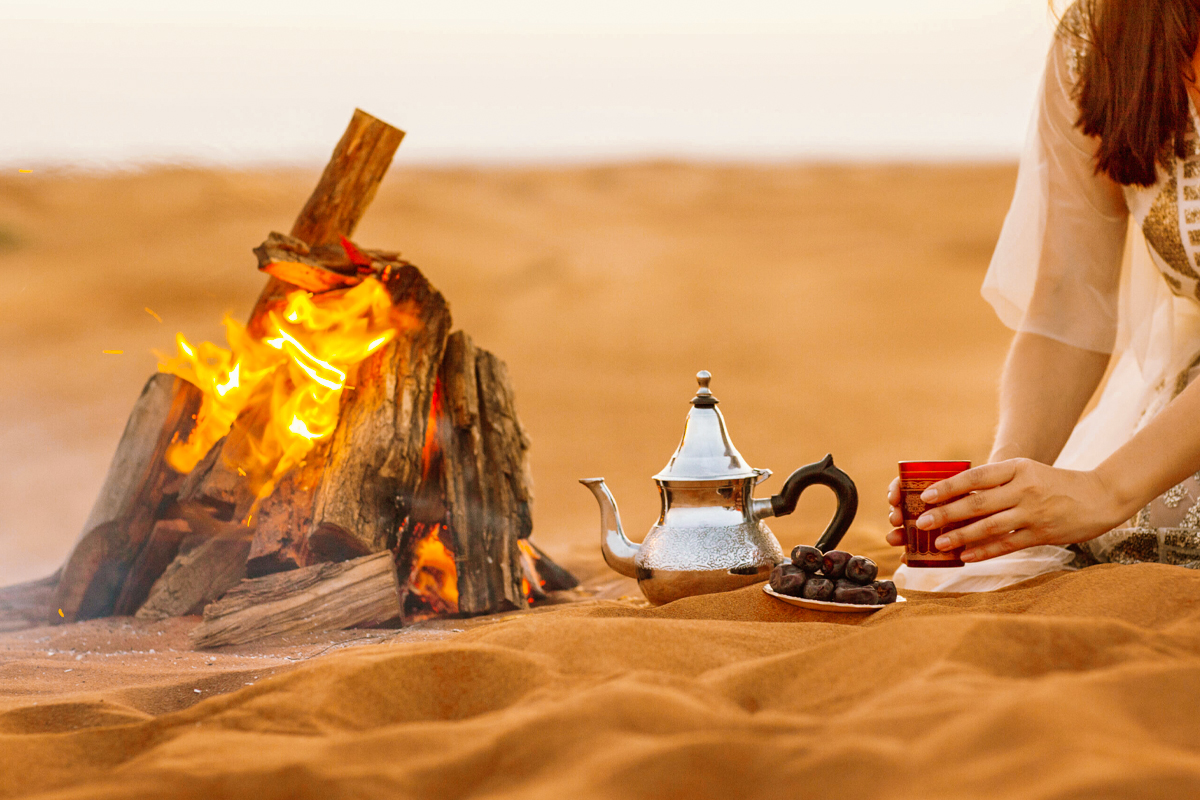
Unlike an ordinary hotel stay, desert camping can involve simple meals prepared outdoors, quiet evenings, and a night spent away from urban lighting.
However, travelers should distinguish a genuine wilderness camp from accommodation in an established oasis lodge.
They are different experiences with different facilities and comfort levels.
Best Things to Do in Bahariya Oasis
The strongest itinerary combines attractions within the oasis with selected landscapes farther south.
Not every attraction will be accessible on every trip, so schedules should be confirmed with a licensed local operator.
1. Explore Al-Bawiti, the Main Town
Al-Bawiti is the practical center of a Bahariya visit.
The town contains accommodation, small shops, local transport services, and businesses connected to desert tourism.
Its streets are not designed as a polished resort environment, and that is part of what makes the destination different from Egypt’s better-known tourist centers.
An enjoyable visit might include walking through selected village areas with a local guide, visiting a market, observing agricultural activity, and learning how residents adapt to the desert climate.
Visitors should respect privacy, especially around homes, schools, and religious buildings.
Ask permission before photographing people or private property.
For travelers arriving after a long drive from Cairo, spending some time in Al-Bawiti is also a practical way to settle into the slower pace of oasis life.
2. Discover the Black Desert
The Black Desert is one of the most recognizable landscapes on the route south from Bahariya.
Dark rock fragments cover many of its hills, creating an appearance that contrasts strongly with the pale sand and surrounding desert terrain.
The dark coloring is associated with geological materials, including basaltic and iron-rich rock.
From a distance, the hills appear almost black. Up close, the landscape reveals shades of charcoal, rust, brown, and sand.
Some guided routes include short walks to viewpoints.
The Black Desert is especially photogenic when the sun is low, as shadows emphasize the shape of the hills.
Travel tip: Do not assume the Black Desert is a single designated viewpoint. It is a broader landscape, and different operators may stop at different locations.
A suitable itinerary should explain which stops are included and whether any hiking is involved.
3. Visit Crystal Mountain
Crystal Mountain, also called Gebel al-Izzaz in some travel descriptions, is a distinctive mineral-rich formation often visited on the route toward the White Desert.
Its exposed crystalline material catches the sunlight, making the formation interesting to examine and photograph.
Despite its name, Crystal Mountain is not an ordinary mountain covered with loose decorative crystals.
It is a geological feature that should be treated carefully.
Visitors should avoid removing mineral fragments or damaging exposed formations.
The stop is usually relatively short, making it practical to combine with other desert attractions.
Photography works particularly well when sunlight illuminates the crystalline surfaces from an angle.
4. Explore Agabat Valley
Agabat Valley is among the most dramatic areas included in many Western Desert safari itineraries.
Its landscape features pale cliffs, isolated rock formations, sand-covered passages, and expansive desert views.
The visual effect is quite different from the Black Desert.
Rather than dark rounded hills, Agabat presents towering formations and broad open spaces that reveal the scale of desert erosion.
For photographers, the most important consideration is often timing.
Strong midday light can flatten the terrain, while lower sunlight creates shadows that make individual formations easier to distinguish.
Visitors should remain with their guides because distances across open desert landscapes can be deceptive.
An apparently nearby formation may require substantially more travel than expected.
5. Experience the White Desert
The White Desert is the principal reason many international travelers choose Bahariya.
Its pale chalk and limestone formations have been shaped by natural weathering and erosion into unusual forms.
Some formations resemble mushrooms, towers, animals, or abstract sculptures.
The surrounding terrain includes pale rock surfaces, sandy areas, and broad open spaces.
The White Desert is a protected natural landscape, not an unrestricted off-road playground.
Travel arrangements, camping areas, and routes must follow the applicable rules.
What makes the White Desert white?
The pale appearance comes largely from light-colored sedimentary rock, particularly chalky limestone.
These rocks formed in geological environments very different from today’s arid desert.
Over extremely long periods, erosion and weathering exposed and reshaped the material.
The result is a landscape where individual formations can appear dramatically different depending on the direction and intensity of the sunlight.
What is the best time of day to see the White Desert?
Late afternoon and early morning are particularly attractive for photography.
At sunset, warm light can give the white formations golden or pinkish tones.
At sunrise, cooler shadows and softer illumination reveal a different appearance.
An overnight stay provides the opportunity to experience both periods, although camping depends on current authorization, conditions, and permitted locations.
Travelers interested in this experience can review an overnight White Desert camping itinerary.
6. Visit English Mountain
English Mountain, also known as Gabal al-Ingleez, is a prominent viewpoint in the Bahariya area.
Its name reflects the region’s modern historical connections, including the period of British military presence in Egypt.
The elevated landscape provides broad views across the oasis and its surrounding desert.
Depending on access and the chosen route, a visit may include a drive followed by a short walk.
The appeal is not simply reaching the highest possible point.
It is understanding the relationship between the agricultural depression, its settlements, and the dry landscape beyond.
Late afternoon can be an attractive time for viewing the oasis, although a visit should be arranged around daylight, conditions, and guide recommendations.
7. See Bahariya’s Palm Groves and Agricultural Landscapes
For many visitors, the strongest contrast in Bahariya is not between the Black and White Deserts.
It is between the desert and the green oasis itself.
Date palms and olive groves demonstrate how groundwater supports settlement in an otherwise arid environment.
Agricultural land also reveals the importance of water management.
Oasis farming requires careful decisions about irrigation, soil conditions, and the resources available to local communities.
A guided visit through agricultural areas can add cultural depth to a desert itinerary.
It also helps travelers understand that Bahariya is a working landscape rather than simply an attraction maintained for tourism.
8. Discover the Natural Springs
Bahariya has natural hot and cold springs associated with its groundwater system.
Some springs are used locally for bathing or agricultural purposes, while others may be inaccessible or unsuitable for tourists.
A spring visit should never be assumed to be included in a desert safari.
Ask your operator whether the itinerary involves a developed bathing facility, a natural pool, or simply a scenic stop.
Water temperatures can vary, and some sources may be extremely hot.
Do not enter unfamiliar water without local guidance.
Although Bahariya’s springs are sometimes described as therapeutic, travelers should avoid treating them as a medical treatment without appropriate evidence and professional advice.
9. Look for Oasis Lakes and Desert Reflections
Parts of Bahariya contain shallow bodies of water and wetland-like environments associated with local groundwater and drainage conditions.
These can produce striking reflections of palm trees, surrounding hills, and the sky.
However, water levels, appearance, and accessibility may change.
Travel guides sometimes promote specific lakes without explaining whether they are consistently accessible or suitable for visitors.
Ask your guide which locations are worth visiting during your actual travel dates.
A flexible approach is more useful than planning an entire afternoon around one photograph seen online.
Bahariya Oasis in Ancient Egypt: History and Archaeology
Bahariya’s importance extends far beyond modern desert tourism.
The oasis formed part of Egypt’s wider network of settlements, agricultural communities, and desert routes.
Its archaeological record reveals connections between the Nile Valley and the Western Desert across several historical periods.
Ancient settlement and agriculture
Water availability made Bahariya valuable long before modern roads connected it to Cairo.
Agricultural production and the ability to support a permanent population gave the oasis strategic and economic importance.
For ancient Egyptian administrations, oases could provide resources, support movement across desert regions, and extend cultural influence away from the Nile.
Bahariya was therefore not completely isolated from the rest of Egypt.
Its population participated in wider political, religious, and economic developments.
Bahariya during the Late Period
Archaeological remains in the oasis include material associated with Egypt’s Late Period, particularly the 26th Dynasty.
Tombs belonging to prominent local figures help demonstrate the presence of an established elite.
Their decoration reflects familiar ancient Egyptian religious beliefs, including concern for the afterlife and the protection of the deceased.
The tombs of Banentiu and Djed-Amun-ef-Ankh are among the important names associated with Bahariya archaeology.
For visitors familiar with the tombs of Luxor, these sites provide an opportunity to appreciate how Egyptian funerary traditions appeared beyond the major royal centers.
Access to individual tombs is not guaranteed and should be checked before arranging a visit.
The Temple of Alexander the Great
Bahariya contains remains of a temple associated with Alexander the Great.
The site is historically interesting because it connects the oasis with Egypt’s transition into the Macedonian and Ptolemaic periods.
Alexander entered Egypt in 332 BCE, and his association with Egyptian religious traditions became an important part of his political legitimacy.
The surviving temple remains are modest compared with Egypt’s major monumental temple complexes.
Visitors should not expect architecture on the scale of Karnak or Luxor Temple.
The value of the site lies primarily in its historical context.
Confirm whether the temple is currently open and whether a local guide can arrange an appropriate visit.
The Valley of the Golden Mummies
One of Bahariya’s most famous archaeological discoveries is the Valley of the Golden Mummies.
The necropolis became widely known following discoveries in the 1990s.
The burial remains date largely to the Graeco-Roman period, when Egyptian funerary beliefs interacted with artistic and cultural practices influenced by the wider Mediterranean world.
Some burials feature gilded funerary decoration, masks, and elaborately prepared mummies.
The discovery demonstrated the scale and prosperity of certain communities living in the oasis during this period.
It also revealed valuable information about local burial customs and social differences.
Can tourists visit the Valley of the Golden Mummies?
Access should not be assumed.
Archaeological sites can have restrictions related to preservation, excavation, security, or infrastructure.
The discovery is historically important even when particular excavation areas are closed to ordinary visitors.
Ask about officially accessible archaeological locations rather than assuming that every famous site is an operating tourist attraction.
The same precaution applies to displays of excavated mummies and artifacts.
Their location and exhibition status may change.
Archaeological discoveries reported in 2026
In August 2026, Egyptian authorities announced the discovery of three tombs at the Sheikh Subi archaeological site in Bahariya Oasis.
The finds included burial remains and artifacts from different historical periods, adding to knowledge of the oasis’s long history.
This discovery provides a useful reminder that Bahariya is still an active area of archaeological investigation.
New discoveries do not necessarily create new visitor attractions.
Travelers planning a 2027 trip should distinguish between an archaeological announcement and a site officially opened for tourism.
The Dinosaur History of Bahariya Oasis
One of the most surprising aspects of Bahariya is its connection to prehistoric life.
Long before the formation of modern human settlements, the region experienced environments dramatically different from the present-day Sahara.
Sedimentary rocks in the Bahariya Formation preserve evidence of ancient ecosystems that included large reptiles and other animals.
Bahariya and Spinosaurus
Bahariya is associated with the early scientific history of Spinosaurus aegyptiacus, one of the most recognizable large predatory dinosaurs.
Fossil material was collected in the region in the early twentieth century and studied by German paleontologist Ernst Stromer.
The discoveries helped establish Bahariya as an important location for understanding Cretaceous dinosaurs in North Africa.
Some of the original material was later destroyed during World War II.
Scientific interest in the region continued, and later research has contributed additional evidence concerning prehistoric ecosystems.
Can travelers see dinosaur fossils in Bahariya?
Visitors should not assume that important fossil sites are open to the public.
Many scientifically valuable locations are research areas rather than developed attractions.
Fossils may be protected, difficult to identify without specialist knowledge, or located away from permitted tourist routes.
A traveler interested in paleontology should ask whether an operator offers a legitimate educational visit with an appropriately knowledgeable guide.
Collecting fossils without authorization is not an acceptable souvenir activity.
Bahariya’s dinosaur history is best appreciated as part of the region’s wider geological story.
Bahariya Oasis and the White Desert: What Is the Difference?
Although the names are often used together, Bahariya Oasis and the White Desert are different destinations with different visitor experiences.
| Feature | Bahariya Oasis | White Desert |
| Main character | Inhabited agricultural oasis | Protected desert landscape |
| Principal attraction | Villages, palms, springs and archaeology | Pale rock formations and scenery |
| Accommodation | Guesthouses, lodges and small hotels | Authorized camping experiences |
| Historical interest | Ancient tombs and settlement history | Primarily geological and natural interest |
| Typical activities | Sightseeing, local visits and short excursions | Guided desert travel, photography and camping |
| Accessibility | Reached by road from Cairo | Requires onward desert arrangements |
| Best for | Culture, archaeology and relaxed exploration | Nature, landscapes and wilderness experiences |
The two destinations complement each other.
A traveler staying only in Bahariya can appreciate an inhabited oasis without necessarily camping.
A visitor who wants to experience the famous white formations usually continues south with an authorized guide.
The most rewarding longer itineraries combine both rather than treating Bahariya as nothing more than a lunch stop.
How to Get to Bahariya Oasis From Cairo
The most common starting point for international visitors is Cairo or Giza.
The journey usually begins on the road southwest toward Bahariya, passing through increasingly open desert landscapes.
Distance and driving time
Bahariya Oasis is approximately 370 kilometers from Cairo.
The drive often takes around four to six hours, depending on the starting location, traffic, stops, checkpoints, and road conditions.
This is a planning estimate, not a guaranteed transfer duration.
Travelers departing from central Cairo may experience additional urban traffic before reaching the main desert road.
Those staying in western Giza may have a different departure experience.
Because the drive is long, it is important to understand how much time remains for sightseeing after arrival.
A day trip that includes both the journey from Cairo and a return on the same day can involve substantially more driving than exploring.
Private transfers and organized tours
A prearranged vehicle and authorized tour operator are generally the most practical arrangements for international visitors.
A private itinerary offers flexibility in departure time and sightseeing preferences, although checkpoint requirements and designated routes may limit changes.
Travelers should ask whether the same vehicle continues into the desert.
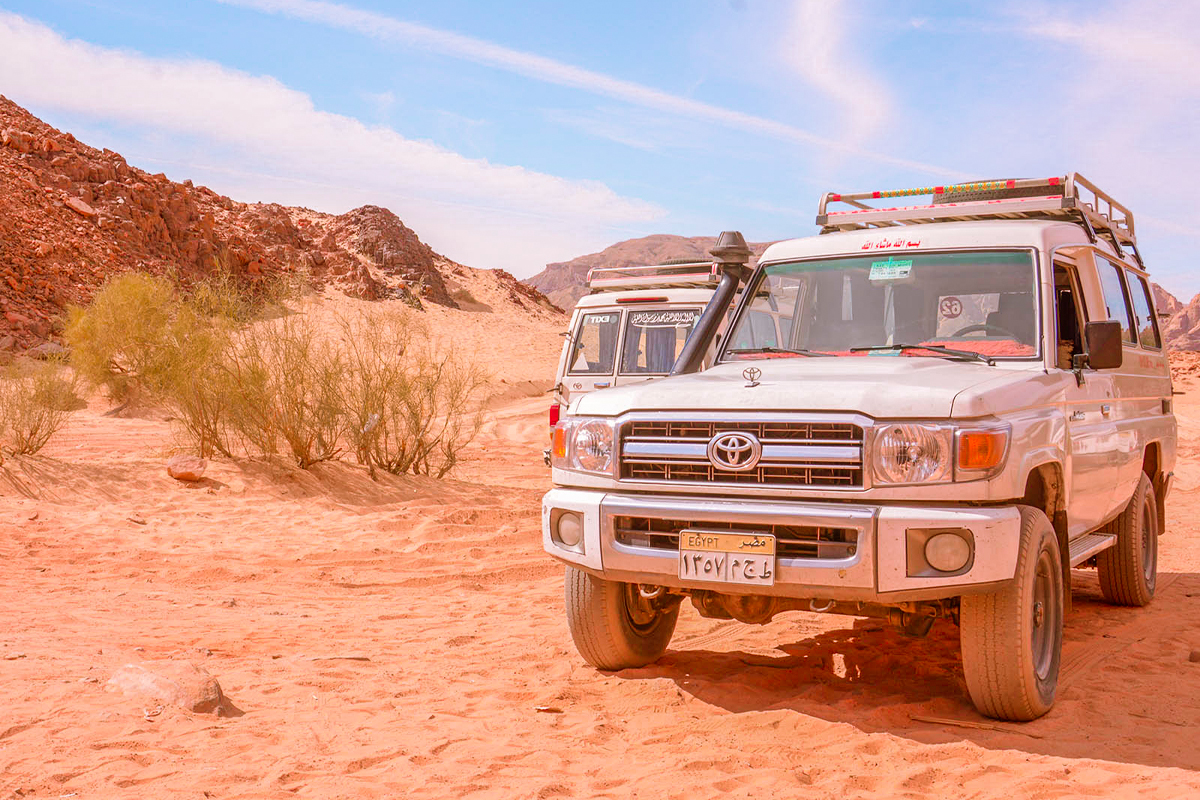
In many itineraries, the road-transfer vehicle is different from the 4×4 used for desert excursions.
This distinction matters when comparing tour inclusions.
Can you reach Bahariya by public transport?
Transport connections may exist between the oasis and larger Egyptian cities, but schedules, pickup points, reliability, and visitor suitability require current verification.
Public transport to an oasis town should not be confused with authorization to explore protected desert regions independently.
For international visitors, a licensed organized arrangement is more appropriate given the safety and permit considerations.
Can you drive to Bahariya yourself?
Self-driving should not be treated as the default option.
Apart from the long desert roads, visitors must consider official travel advice, checkpoints, insurance restrictions, and access permits.
A standard rental vehicle is not suitable for driving off-road through the White Desert.
Even an experienced driver should not attempt unauthorized independent exploration of protected or remote desert terrain.
Before booking a rental vehicle, obtain confirmation from the rental company, relevant authorities, and your insurance provider.
For most overseas visitors, an authorized guided tour is the more straightforward arrangement.
How Many Days Do You Need in Bahariya Oasis?
The ideal duration depends on whether your main interest is the oasis itself or the wider desert.
A one-day excursion offers a limited introduction. Two days allow more time for the principal desert landscapes, while three or four days provide flexibility for culture and exploration.
| Duration | What can realistically fit | Main limitation |
| 1 day from Cairo | Travel and limited oasis sightseeing | Very long driving day |
| 2 days / 1 night | Selected desert stops and overnight experience | Limited time for archaeology and villages |
| 3 days / 2 nights | Oasis exploration and a more relaxed desert itinerary | Requires more holiday time |
| 4 days / 3 nights | Wider Western Desert route and additional oasis experiences | More planning and authorization |
One day: A short introduction
A one-day trip is best for travelers with a narrow objective.
It might focus on the oasis town, selected scenery, and a limited number of nearby attractions.
Trying to include every famous desert location creates an exhausting schedule.
A traveler comparing options can consider a Bahariya Oasis desert day tour while carefully reviewing the actual route and total driving time.
Two days: The classic desert experience
A two-day itinerary is often the most suitable choice for first-time visitors primarily interested in the Black and White Deserts.
It allows time to leave Cairo, reach Bahariya, travel onward, and experience an overnight stay before returning.
However, the program can still be relatively fast-paced.
It is not necessarily the best option for exploring archaeological sites in detail.
Three days: Better for a balanced visit
Three days provides a stronger balance between nature and culture.
There is more opportunity to visit local areas, take photographs without constant rushing, and allow for a comfortable transition between the oasis and desert.
This is particularly attractive for families, photographers, and travelers who prefer a slower pace.
Four days or more: Wider Western Desert exploration
Longer trips may incorporate additional oases or areas beyond the standard circuit.
Such programs require more attention to distance, availability, safety, and route authorization.
Travelers planning a broader journey can examine a four-day Western Desert oases safari.
The itinerary should be judged by the places actually visited, not simply the number of days advertised.
Suggested Bahariya Oasis Itineraries for 2027
A good itinerary balances transport, sightseeing, rest, and the limitations of traveling in a remote environment.
The following examples are planning frameworks rather than confirmed departure schedules.
Option 1: Two Days From Cairo — Black Desert and White Desert
Day 1: Cairo to Bahariya and the desert
Leave Cairo in the morning with an arranged transfer.
Travel southwest toward Bahariya, with appropriate stops along the route.
On arrival, meet the local desert team and complete the necessary preparations.
Depending on the authorized route, the afternoon may include selected stops in the Black Desert, Crystal Mountain area, and Agabat Valley.
Continue toward an approved camping location if overnight camping is permitted.
Enjoy the desert landscape during the evening before spending the night at camp.
Day 2: Sunrise and return to Cairo
Wake early to experience the desert in morning light.
After breakfast, return toward Bahariya with the guide.
Continue to Cairo, allowing sufficient time for road travel and possible delays.
Avoid scheduling an important international flight immediately after the planned return.
Travelers comparing this type of program can review the three-day White and Black Desert tour as an alternative with more available time.
Option 2: Three Days — Oasis Culture and Desert Landscapes
Day 1: Cairo and Bahariya Oasis
Depart Cairo and travel to the oasis.
Check into a local guesthouse or lodge.
Spend the remaining daylight exploring selected areas of Al-Bawiti, agricultural landscapes, or accessible viewpoints.
A sunset visit to a permitted elevated viewpoint may be possible.
Stay overnight in the oasis.
Day 2: Black Desert and White Desert
After breakfast, meet the local desert guide.
Travel south along the authorized route, visiting selected natural formations.
Take time for photographs and explanations of the geological landscape.
Continue to an approved overnight location or return to an oasis-based property, depending on the chosen experience.
Day 3: Return to Cairo
Enjoy breakfast and a relaxed departure.
If the overnight stay was in the desert, return to Bahariya first.
Continue to Cairo and leave a reasonable margin for road conditions.
This itinerary is a strong option for travelers who want to experience both Bahariya’s inhabited landscape and its desert surroundings.
Option 3: Four Days — Extended Western Desert Experience
A four-day program allows for a more detailed exploration of the oasis and a wider regional route.
One possible structure is:
- Day 1: Cairo to Bahariya, village exploration, and overnight accommodation.
- Day 2: Bahariya’s historical and natural sites, subject to access.
- Day 3: Authorized Black Desert and White Desert excursion.
- Day 4: Return to Cairo or continue along a separately authorized route.
Not every four-day tour should follow this exact sequence.
The best route depends on whether the main interest is archaeology, photography, desert camping, or several different oases.
A longer itinerary should not involve unnecessary driving simply to fill the schedule.
Best Time to Visit Bahariya Oasis in 2027
The most comfortable period for many visitors is generally from October through April.
Conditions are often more suitable for sightseeing and desert travel than during the hottest summer months.
Nevertheless, desert weather requires preparation throughout the year.
Even when daytime conditions are pleasant, temperatures can fall significantly after sunset.
Seasonal comparison
| Season | General conditions | Travel considerations |
| December–February | Mild or cool days, potentially cold nights | Warm bedding and layered clothing are important |
| March–April | Generally pleasant, but wind and dust can occur | Check forecasts and possible sandstorms |
| May–September | Hot to extremely hot daytime conditions | Outdoor activity may be uncomfortable or unsuitable |
| October–November | Often favorable for desert sightseeing | Good period to consider guided excursions |
These are general climate patterns, not specific forecasts for 2027.
Winter visits
Winter can provide comfortable conditions for walking and sightseeing during the day.
The biggest mistake is assuming that a desert night will remain warm.
Open terrain loses heat after sunset, and camping conditions may become quite cold.
Travelers should bring appropriate clothing, even if Cairo felt comfortable on the morning of departure.
Ask camping providers about blankets, sleeping bags, shelter, and the suitability of their equipment for the expected temperature.
Spring visits
Spring can be an enjoyable time to visit, but the possibility of strong winds and airborne dust needs consideration.
Sandstorms or dusty conditions may reduce visibility and disrupt planned activities.
Photographers should protect cameras and lenses.
Travelers with respiratory sensitivities should consider conditions carefully.
Summer visits
Summer travel can be physically demanding because of intense heat and exposed terrain.
Long walks, outdoor activities, and midday sightseeing may become unsuitable.
Some operators may modify or limit their programs during the hottest periods.
For most first-time international visitors, cooler months offer a more comfortable experience.
For broader seasonal planning, see the best time to visit Egypt.
Hotels in Bahariya Oasis Egypt: Where to Stay
Accommodation in Bahariya differs considerably from Cairo, Luxor, or the Red Sea resorts.
Most travelers should expect relatively small properties, guesthouses, desert lodges, or locally operated hotels.
The appeal is often atmosphere and proximity to the landscape rather than extensive resort facilities.
Oasis guesthouses
Guesthouses are suitable for travelers who want a simple overnight stay in or near an inhabited community.
They may offer local meals, basic private rooms, and assistance organizing excursions.
Facilities vary substantially.
Some properties may provide air conditioning, while others rely on fans or natural ventilation.
Heating is also worth checking during winter.
Desert lodges
Desert lodges can appeal to visitors interested in quieter surroundings.
They may be located outside the busiest town streets, sometimes near agricultural areas or desert viewpoints.
However, the word “lodge” does not guarantee luxury accommodation.
Confirm the condition and facilities of the actual property rather than relying on the name.
Hotels in Al-Bawiti
Staying in Al-Bawiti can be convenient when arranging transfers, food, shopping, or local sightseeing.
The central location may reduce travel between accommodation and the tour meeting point.
Visitors who prefer easier access to basic services may find the town more practical than isolated accommodation.
Camping in the White Desert
Camping should be evaluated separately from hotels in Bahariya Oasis Egypt.
A desert camp may involve a tent or temporary sleeping arrangement, outdoor meals, basic washing facilities, and limited or no conventional bathroom infrastructure.
The exact facilities depend on the operator and camping arrangements.
Never assume that the description “luxury desert camping” includes an enclosed bathroom, a proper bed, heating, or electricity.
Ask for a complete explanation.
What to check before booking Bahariya Oasis hotels
| Feature | Question to ask |
| Location | Is the hotel in Al-Bawiti, outside town, or near a desert route? |
| Bathroom | Is there a private bathroom with reliable hot water? |
| Climate control | Is air conditioning or winter heating available? |
| Electricity | Are power and charging facilities reliable? |
| Connectivity | Is internet access available, and how dependable is it? |
| Meals | Are breakfast, dinner, and drinking water included? |
| Transport | Does the price include pickup and transfer? |
| Booking terms | What happens if travel permissions or road conditions change? |
| Accessibility | Are there stairs, uneven paths, or other physical limitations? |
The best accommodation is not necessarily the most expensive.
Choose a property that fits your itinerary, comfort expectations, and transportation arrangements.
For a short desert trip, a conveniently located guesthouse may be more useful than an isolated property requiring additional transfers.
How Much Does a Bahariya Oasis Tour Cost in 2027?
The cost of a Bahariya Oasis Egypt tour depends on the length of the trip, group size, vehicle type, accommodation standard, and included services.
There is no single reliable price that applies to every visitor.
Because 2027 rates and access-related costs can change, travelers should request dated quotations rather than treating older published prices as guaranteed.
Main factors affecting the price
Transportation from Cairo: A private vehicle usually distributes its cost among fewer passengers than a shared arrangement.
Desert vehicle: A 4×4 with a qualified local driver is a different expense from the normal road transfer.
Tour duration: Additional nights increase accommodation, meals, transport, and guide-related costs.
Accommodation standard: Basic guesthouses, established hotels, and more comfortable lodging can have different price structures.
Camping equipment: Tents, mattresses, sleeping bags, blankets, and other facilities may or may not be included.
Permits and entry charges: Applicable requirements should be confirmed for the specific itinerary.
Group size: A private departure for two travelers will often have different per-person costs from a larger group.
Included activities: Extra archaeological stops, longer routes, or specialized guiding can affect the overall quotation.
Private or shared tour: Which is better?
A private tour is usually more flexible.
It can be suitable for couples, families, or photographers who want time at specific locations.
However, private does not mean unrestricted travel. Official permissions, road conditions, and protected-area regulations still apply.
Shared tours may offer lower per-person costs but usually provide less control over the schedule.
The important question is whether the itinerary suits your interests.
A less expensive tour that omits the main landscapes you want to see may offer poor overall value.
What should a written quotation include?
Before paying, request confirmation of:
- Pickup and drop-off location.
- Total number of days and nights.
- Vehicle arrangements and whether 4×4 transport is included.
- Driver and guide services.
- Accommodation or camping arrangements.
- Meals and drinking water.
- Applicable permit and admission arrangements.
- Exact attractions and intended overnight location.
- Cancellation and refund conditions.
- Alternative arrangements if a route becomes unavailable.
A transparent itinerary is more valuable than an advertised low price without a clear description of services.
Is Bahariya Oasis Safe to Visit in 2027?
Safety is one of the most important considerations when planning a visit to Bahariya Oasis and the Western Desert.
The region is remote, and the availability of immediate medical assistance, communication coverage, and ordinary tourist infrastructure is limited.
Safety also depends on the exact route being considered.
Official travel advice can distinguish between established oasis towns, recognized tourism routes, remote desert areas, and restricted border regions.
Official travel advice and permits
As reviewed in November 2026, UK government guidance requires tourists entering Bahariya, Farafra, the Black Desert, and White Desert areas to obtain permits in advance and travel with an official guide.
US travel guidance takes a more restrictive position, advising against Western Desert travel because of safety risks.
The two advisories should not be treated as identical.
Travelers must review the current advice issued by their own government, check insurance validity, and confirm authorization before making arrangements.
The requirements applicable to a particular journey may depend on the traveler’s nationality, route, and planned activities.
An operator saying that an area is popular with tourists does not replace official guidance.
Why an experienced desert guide matters
Remote desert travel involves more than navigation.
A qualified, properly authorized guide or operator should understand local access rules, authorized routes, communication requirements, and emergency procedures.
Vehicle reliability also matters.
Ask whether the operator has a contingency plan for breakdowns, severe weather, or unexpected restrictions.
Can you explore the White Desert independently?
Independent exploration should not be assumed to be permitted or appropriate.
Tourists should follow current official permit and guide requirements.
Attempting to drive into remote desert areas without suitable authorization, local knowledge, or communication arrangements introduces unnecessary risks.
What about medical assistance?
Medical facilities may be limited in remote regions.
Travelers with health conditions that require rapid access to specialist treatment should carefully assess the suitability of the journey.
Insurance should be checked for desert excursions, camping, and emergency evacuation coverage.
Carry necessary medications, drinking water, and important medical information.
Visitors should not rely on uninterrupted mobile reception.
What to Pack for a Bahariya Oasis and White Desert Trip
Packing for Bahariya requires preparation for changing conditions rather than simply expecting hot weather.
Clothing
Choose comfortable, breathable clothing suitable for the season.
Long trousers and lightweight long-sleeved shirts can help protect against sun exposure and blowing sand.
During cooler months, bring insulated layers for evenings and overnight camping.
A warm jacket may be necessary even after a mild daytime journey.
Footwear
Closed walking shoes are preferable to delicate sandals for most desert stops.
Uneven surfaces, stones, and loose sand can make ordinary city footwear uncomfortable.
Shoes should be practical rather than expensive.
Dust is unavoidable.
Sun protection
Bring sunglasses, a suitable hat, sunscreen, and lip protection.
The combination of clear skies, exposed terrain, and wind can make sun exposure more significant than travelers expect.
Camping equipment
Confirm which equipment the operator provides.
Depending on the experience, useful personal items may include:
- A personal headlamp or flashlight.
- A warm sleeping layer.
- Toiletries and tissues.
- A power bank.
- A small daypack.
- Personal medication.
- A reusable water bottle.
- A protective case for electronics.
Ask specifically about mattresses, sleeping bags, blankets, tents, and toilet arrangements.
Photography equipment
A camera or smartphone can capture excellent desert landscapes.
However, windblown sand can damage sensitive equipment.
Avoid changing camera lenses unnecessarily in dusty conditions.
Keep electronics protected during vehicle travel.
Drones should not be included in travel plans unless all applicable Egyptian legal requirements and specific permissions have been confirmed.
What Is Desert Camping in Bahariya Really Like?
Camping in the White Desert is one of the most discussed experiences associated with Bahariya.
The reality is more practical and less predictable than promotional images sometimes suggest.
The journey to camp
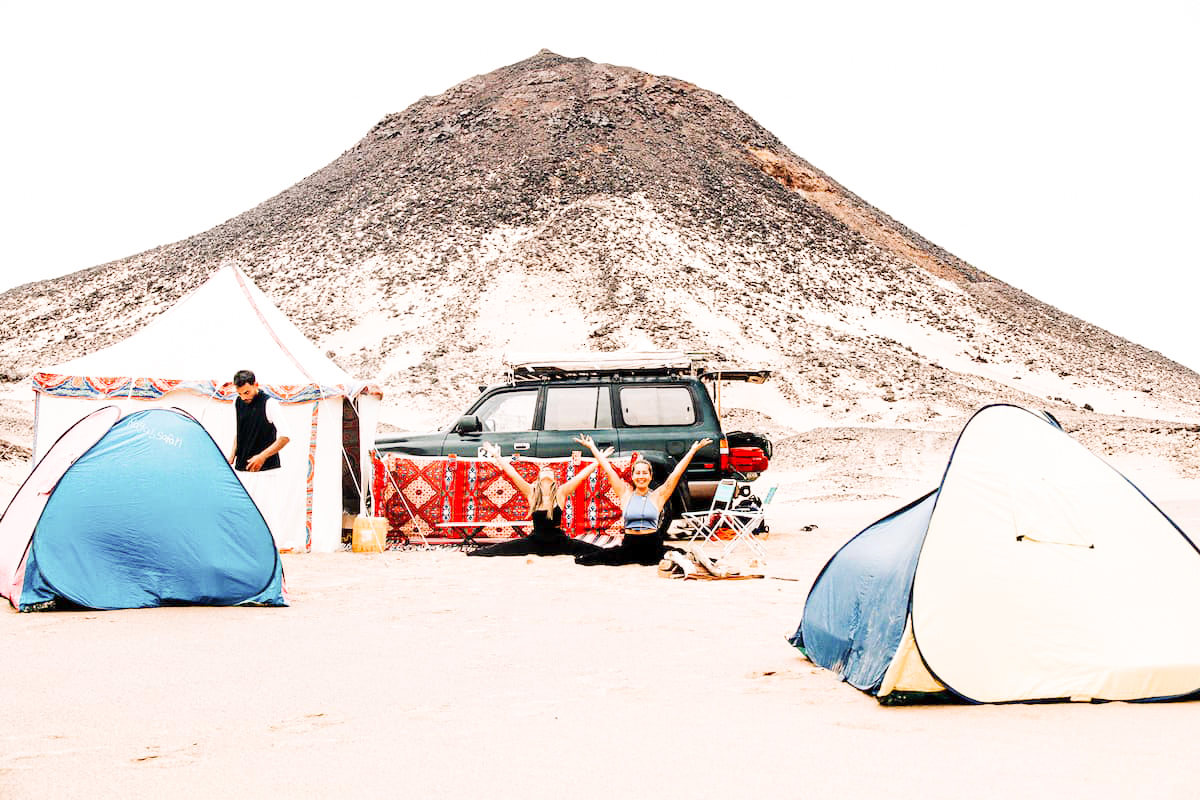
Depending on the itinerary, travelers may spend several hours moving between scenic stops before reaching an authorized overnight area.
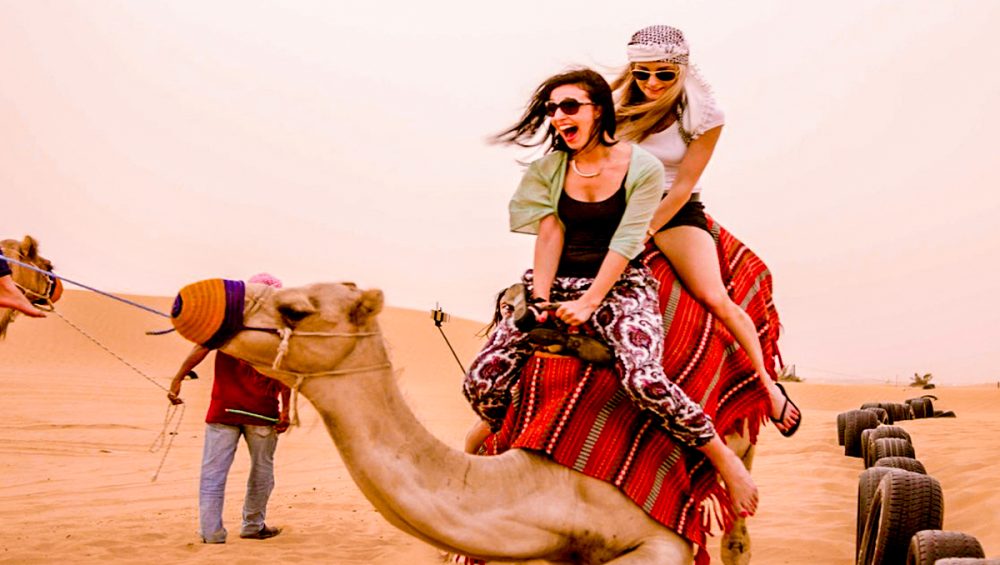
A guide and driver normally manage the route and camp setup.
The experience may involve sitting outdoors, eating a prepared meal, and watching the landscape change as daylight fades.
The sleeping arrangements
Some camps use tents, while others may offer different permitted shelter arrangements.
Facilities vary by operator.
Do not assume that every camp offers a private tent or that all sleeping equipment is included.
Winter conditions can make inadequate bedding particularly uncomfortable.
Food in the desert
Meals are generally simple and should be confirmed before departure.
Travelers with vegetarian, vegan, halal, gluten-free, or other dietary requirements should communicate those needs in advance.
Do not rely on being able to purchase additional food after leaving the oasis.
Toilets and washing
This is one of the most important questions to ask before booking.
Some wilderness experiences have limited sanitation facilities.
Other arrangements may offer more developed facilities, depending on where camping is authorized.
Families and travelers accustomed to conventional hotel bathrooms should understand the exact setup before confirming.
Weather and stars
Clear desert skies can offer impressive nighttime viewing, particularly away from artificial lighting.
However, excellent stargazing is never guaranteed.
Moonlight, dust, cloud cover, and atmospheric conditions all affect visibility.
A full moon can illuminate the desert beautifully but make faint stars harder to see.
Travelers especially interested in the night sky may prefer to consider the lunar phase when choosing dates.
Local Life, Food and Culture in Bahariya
The inhabited oasis deserves attention beyond its function as a safari departure point.
Communities in Bahariya have developed ways of living shaped by water availability, agriculture, desert distances, and connections with the rest of Egypt.
Agricultural traditions
Date palms and olive cultivation are visible expressions of the oasis economy.
They demonstrate the relationship between natural resources and permanent settlement.
Local agriculture also provides an opportunity to discuss how groundwater, irrigation, and changing environmental conditions influence the region.
Visitors should not enter cultivated land without permission.
Local food
Food offered in oasis guesthouses or on desert tours may include familiar Egyptian dishes such as rice, bread, vegetables, chicken, and simple stews.
Menus vary considerably.
Rather than expecting an elaborate restaurant experience, travelers should ask about the meals supplied by their accommodation or tour.
Vegetarians should confirm that meals can be prepared without meat or meat-based stock.
Respectful cultural interaction
Bahariya is home to ordinary communities, not a living museum.
Dress appropriately when visiting villages.
Ask permission before photographing residents.
Avoid entering agricultural or private residential areas without invitation.
Supporting locally operated services can contribute more meaningfully to the community than treating every encounter as a photographic opportunity.
Bahariya Oasis for Families, Couples and Solo Travelers
Bahariya can suit several travel styles, but not every experience is suitable for every visitor.
Families with children
Families may enjoy the unusual rock formations, open landscapes, and shorter walks.
However, parents should consider the length of road transfers, temperature changes, bathroom availability, and limitations of desert camping.
Very young children may find a long overnight expedition uncomfortable.
An oasis hotel combined with selected guided sightseeing may be a better choice for some families.
Couples
Couples who enjoy nature and quiet landscapes may find a private desert itinerary appealing.
A comfortable oasis lodge and a carefully organized sunset excursion can offer a different experience from a conventional luxury resort.
The most important consideration is setting realistic expectations.
A remote desert camp should not be marketed as a conventional five-star hotel experience unless it genuinely offers comparable facilities.
Solo travelers
Solo travelers should prioritize reputable, properly authorized operators.
A shared guided tour may be an option where suitable services are available.
Before booking, confirm the group size, accommodation arrangement, pickup details, and emergency procedures.
Independent travel into restricted or remote desert areas should not be attempted.
Older travelers
Bahariya may be suitable for older visitors who are comfortable with road journeys and have no difficulty with the physical demands of the selected program.
The main concerns are often long vehicle transfers, uneven ground, and the limited facilities of wilderness camping.
A tailored oasis-based itinerary can be more comfortable than an extensive off-road adventure.
Travelers with mobility limitations
Accessibility requires careful assessment.
Many desert locations lack paved walking surfaces, and vehicles may have high steps.
Hotels and guesthouses may also have uneven paths or limited accessible facilities.
Travelers should describe their requirements before booking and request specific confirmation rather than relying on general statements that a tour is suitable for everyone.
Bahariya Oasis vs Siwa, Farafra and Fayoum
Egyptian oases are not interchangeable.
Each has a different geographical setting, historical identity, and visitor experience.
| Destination | Main appeal | Practical distinction |
| Bahariya Oasis | Black Desert, White Desert access, agriculture and archaeology | Common starting point for desert safaris from Cairo |
| Siwa Oasis | Distinctive local culture, salt lakes, springs and historical sites | A separate oasis destination with different road access |
| Farafra Oasis | Desert landscapes and connection to the White Desert | Useful for extended Western Desert journeys |
| Fayoum | Lakes, countryside, archaeological locations and nearby desert scenery | Often easier to combine with shorter excursions from Cairo |
Bahariya vs Siwa Oasis
Siwa is known for its distinctive cultural heritage, historic settlements, natural springs, and salt lakes.
Bahariya is more closely associated with the classic Black and White Desert circuit.
Travelers looking for cultural immersion in a separate oasis environment may prefer Siwa Oasis in Egypt’s Western Desert.
Those primarily interested in seeing the White Desert often find Bahariya a more geographically appropriate starting point.
Bahariya vs Farafra Oasis
Farafra lies farther south and has a closer geographical relationship with the White Desert landscape.
Bahariya, however, is commonly used as the northern access point from Cairo.
A trip can involve both destinations without spending equal time in each.
The best choice depends on the intended route and how much time is available.
Bahariya vs Fayoum
Fayoum offers lakes, cultivated landscapes, archaeological sites, and desert scenery.
For travelers with limited time in Cairo, Fayoum may be easier to integrate into a shorter itinerary.
Bahariya requires a greater commitment to overland travel but provides access to landscapes with a substantially different character.
Learn more about Fayoum Oasis and its attractions.
Common Mistakes to Avoid When Visiting Bahariya Oasis
Several planning mistakes can significantly affect the experience.
Mistake 1: Confusing Bahariya with the White Desert
Bahariya is an inhabited oasis, while the White Desert is a separate protected landscape farther south.
A tour that visits only Al-Bawiti does not necessarily include the famous white formations.
Always check the actual route.
Mistake 2: Booking without checking permits
A tour description does not prove that the route is currently authorized.
Confirm permits, official guiding requirements, and any applicable restrictions before paying.
Mistake 3: Underestimating the driving
Traveling from Cairo takes several hours each way.
A short itinerary can become tiring if it contains too many stops.
Choose the duration based on realistic travel time.
Mistake 4: Assuming the desert is always hot
Winter evenings can be cold.
Pack for the time of day and season rather than judging the weather by Cairo’s afternoon temperature.
Mistake 5: Expecting hotel facilities in a wilderness camp
A camping experience may not include conventional bathrooms, electricity, or proper beds.
Ask detailed questions before booking.
Mistake 6: Planning every stop from social media photos
Some photographs show remote or restricted places that are not necessarily part of normal tourist routes.
Other locations may be temporarily inaccessible.
Choose places based on confirmed access rather than images alone.
Mistake 7: Leaving no flexibility
Weather, checkpoints, operational restrictions, or vehicle issues can affect a desert journey.
Avoid planning an immediate flight departure after a long return transfer.
Mistake 8: Treating protected formations as souvenirs
Do not remove fossils, minerals, or pieces of rock.
Responsible exploration helps protect fragile geological and archaeological features.
Responsible Tourism in Bahariya and the Western Desert
The landscape around Bahariya is visually impressive, but it is also environmentally sensitive.
Some geological formations can be damaged by climbing, careless vehicle movement, or removing material.
The natural environment may recover very slowly from disturbance.
Travelers can help by following authorized routes, avoiding litter, and respecting protected areas.
Protect the rock formations
Do not carve names into rocks, break off pieces, or climb formations that may be fragile.
Even apparently hard geological surfaces can erode or fracture.
Photography does not require physical alteration of the landscape.
Manage waste responsibly
Ask the operator how waste is collected and removed.
Plastic bottles, packaging, food waste, and cigarette ends should not be left behind.
An operator with a clear waste-management practice is preferable to one that treats the desert as an unlimited disposal area.
Respect local water resources
Water makes oasis settlement possible.
Visitors should avoid wasting water and should respect the needs of agricultural and residential communities.
Choose responsible operators
Ask how guides manage protected-area rules, waste, vehicle routes, and local employment.
Responsible tourism is not simply about taking attractive photographs.
It involves ensuring that travel activities do not damage the places that make the journey worthwhile.
How to Combine Bahariya Oasis With a Longer Egypt Vacation
Bahariya is most practical as an extension to a Cairo-based itinerary.
It can offer a change of pace after visiting the pyramids, museums, and busy streets of the capital.
Cairo, Giza and Bahariya
For a first-time visitor, a balanced plan might include several days in Cairo and Giza followed by a separate desert excursion.
This approach avoids rushing directly from an international flight into a long overland journey.
Travelers can first explore Egypt’s most recognized archaeological sites, including the Giza Necropolis, before adding a contrasting natural experience.
Bahariya and a Nile Valley itinerary
A traveler visiting Cairo, Luxor, and Aswan can consider adding Bahariya at the beginning or end of the Egypt journey.
The desert experience is very different from the temples and Nile cruise routes of Upper Egypt.
However, travelers should allow sufficient time for transport rather than attempting to connect distant regions through an overly complicated schedule.
Bahariya and other Western Desert oases
A wider Western Desert circuit may appeal to repeat visitors.
Such trips require more detailed planning because distances, road access, and official travel restrictions vary between regions.
Not every route linking two oasis names on a map is authorized or appropriate for tourists.
An itinerary should be built around verified travel corridors rather than the shortest theoretical road distance.
Is Bahariya Oasis Worth Visiting in 2027?
Bahariya Oasis is worth considering for travelers who want something different from Egypt’s major cities, temples, and beach resorts.
Its strongest attractions are the contrasting desert landscapes, living oasis communities, and historical layers that connect ancient burial traditions with more recent archaeological discoveries.
The destination is particularly rewarding when visitors allow time to understand the oasis itself rather than treating it purely as the departure point for the White Desert.
However, Bahariya is not the ideal addition to every Egypt vacation.
The long road journey, remote conditions, limited infrastructure, and need to follow current official travel advice are important considerations.
Travelers with only a few days in Egypt may achieve more by concentrating on Cairo and Giza.
Those with a longer itinerary, an interest in natural landscapes, and suitable authorized travel arrangements may find Bahariya a compelling addition.
The key is to match the experience to the available time, personal comfort level, and current access conditions.
Frequently Asked Questions About Bahariya Oasis Egypt
1. Where is Bahariya Oasis located in Egypt?
Bahariya Oasis is situated in Egypt’s Western Desert, approximately 370 kilometers southwest of Cairo. Its main town is Al-Bawiti, and the oasis belongs administratively to Giza Governorate. It is commonly used as the starting point for organized visits to the Black Desert and White Desert.
2. How far is Bahariya Oasis from Cairo?
Bahariya Oasis is approximately 370 kilometers from Cairo. Road journeys often take around four to six hours, depending on traffic, the departure point, checkpoint procedures, stops, and road conditions. Travelers should allow additional time for onward excursions into the desert.
3. Is Bahariya Oasis the same as the White Desert?
No. Bahariya Oasis is an inhabited agricultural region with towns, palm groves, springs, and archaeological sites. The White Desert is a protected natural landscape farther south, known for its pale rock formations. Many tours visit both destinations during the same journey.
4. What is Bahariya Oasis famous for?
Bahariya is known for its agricultural landscapes, hot and cold springs, ancient tombs, Valley of the Golden Mummies, and proximity to the Black and White Deserts. The region also has important paleontological connections, including discoveries associated with Spinosaurus.
5. How many days should I spend in Bahariya Oasis?
Two days can be sufficient for a focused guided desert excursion, while three days generally provide a better balance between oasis sightseeing and the desert landscapes. Four days or more may be appropriate for a wider Western Desert itinerary, subject to route access and permits.
6. Can you stay overnight in Bahariya Oasis?
Yes. Bahariya has guesthouses, small hotels, and desert lodges. Overnight camping may also be available in authorized areas through suitable operators. Accommodation quality and facilities vary, so travelers should confirm room standards, heating, bathrooms, meals, and transportation before booking.
7. What is the best month to visit Bahariya Oasis?
The cooler period from October to April is generally more comfortable for many visitors. November and the winter months can be attractive for sightseeing, although desert nights may be cold. Spring visitors should be aware that strong winds and dust can affect conditions.
8. Do you need a guide to visit the White Desert?
Tourists should follow the applicable permit and official guiding requirements. UK travel guidance reviewed in November 2026 specifically requires advance permits and an official guide for visits to Bahariya, Farafra, and the Black and White Deserts. Requirements and national travel advisories should be rechecked before a 2027 departure.
9. Are there hotels in Bahariya Oasis Egypt?
Yes. Accommodation options include locally operated hotels, guesthouses, and desert lodges, particularly around Al-Bawiti. Facilities can be more basic than those found in Cairo or established Red Sea resorts. Travelers should compare confirmed property details rather than relying only on photographs or hotel classifications.
10. Is Bahariya Oasis suitable for families?
Bahariya can suit families who are comfortable with long road journeys and enjoy nature. However, remote desert travel requires careful planning. Families should confirm child suitability, camping facilities, vehicle arrangements, weather conditions, and access to essential services before booking.
11. Can you visit the Valley of the Golden Mummies?
The Valley of the Golden Mummies is an important archaeological area, but access to excavation sites and associated displays should not be assumed. Travelers should confirm which archaeological attractions are officially open during their visit. An important historical discovery does not automatically mean unrestricted tourist access.
12. Is Bahariya Oasis better than Siwa Oasis?
Neither is universally better. Bahariya is particularly attractive for visitors interested in the Black and White Desert landscapes. Siwa has a distinct local cultural identity, historic architecture, salt lakes, and springs. The best destination depends on the traveler’s interests, available time, and current travel advice.
Final Thoughts: Planning a Bahariya Oasis Trip in 2027
Bahariya Oasis offers an opportunity to explore an Egypt that feels very different from the familiar Nile Valley itinerary.
Palm-filled villages, ancient burial sites, mineral formations, dark desert hills, and pale rock sculptures give the region a remarkable variety of landscapes and historical connections.
For a first visit, the most balanced choice is generally a two- or three-day itinerary that combines the inhabited oasis with selected authorized desert excursions.
Before booking, confirm current government travel advice, permits, guide arrangements, accommodation standards, and the exact route.
If you would prefer a customized itinerary, Egypt Vacation Tours can help you discuss suitable options based on your travel dates, interests, and applicable access requirements.
The best Bahariya journey is not necessarily the one that covers the most ground. It is the one that provides enough time to appreciate the scenery, understand the region’s history, and travel responsibly.